
Talk to Us
+86 13633281999
Email Address
ada@xingxinwiremesh.com10 Mesh Wire Screen – Durable Industrial Filtering & Screening Solution
10 Mesh Wire Screen: What Makes It a Go-To Choice in Industrial Filters?
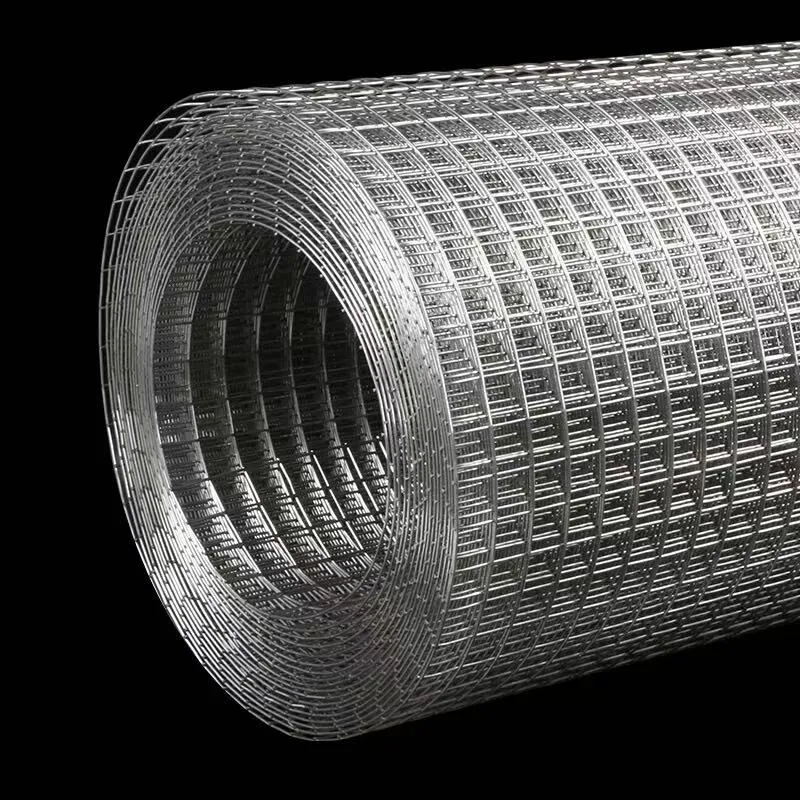
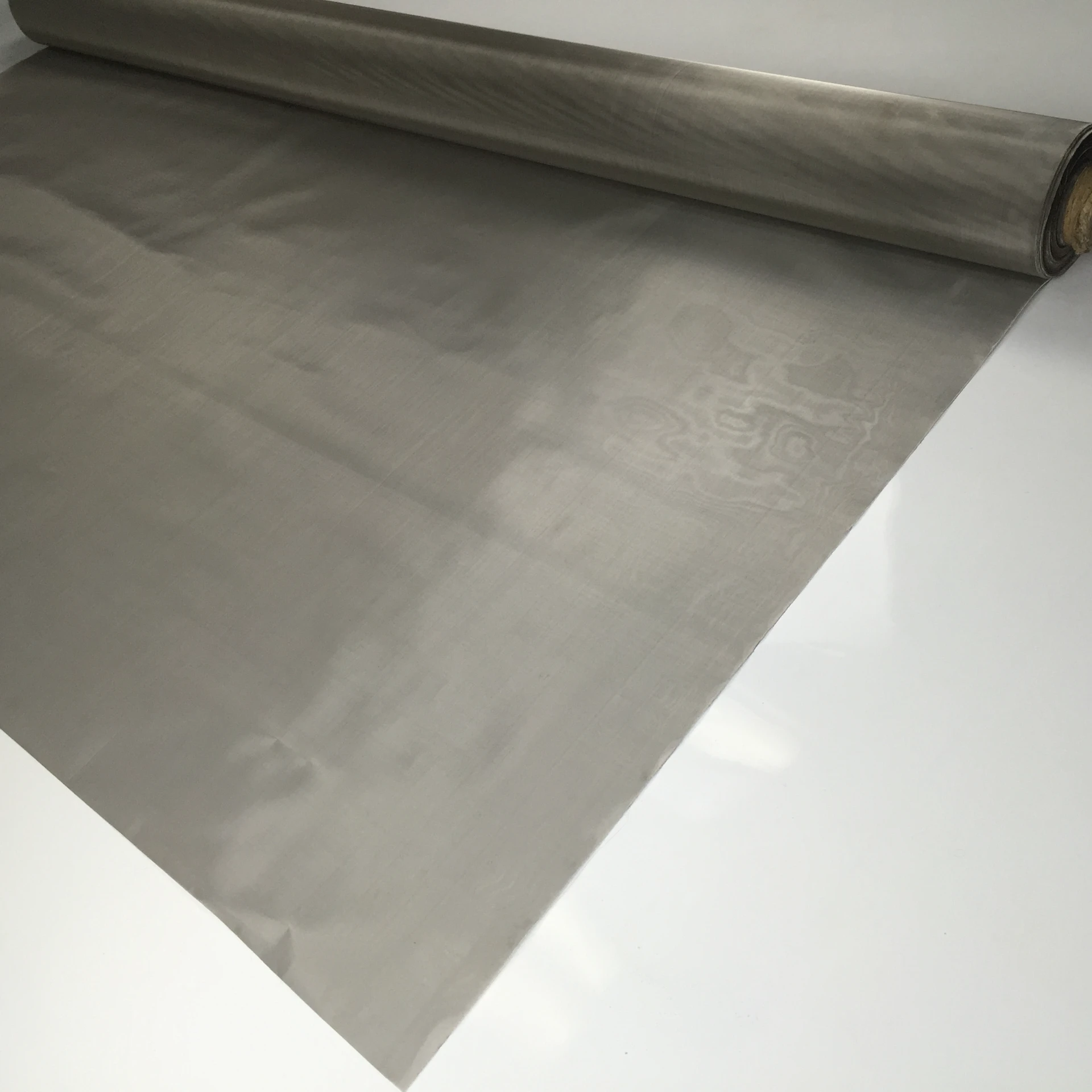
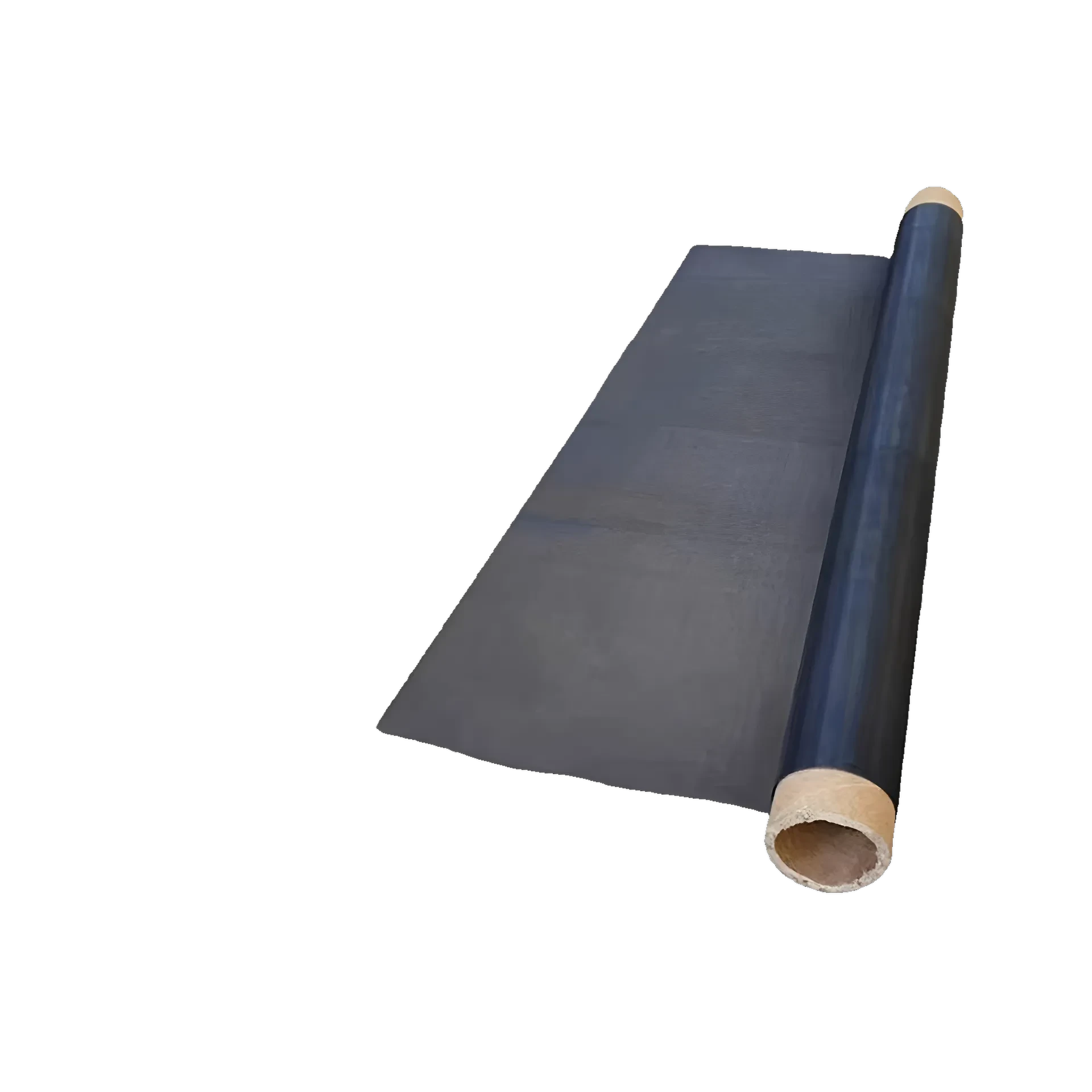
Having spent over a decade knee-deep in industrial screening and filtration equipment, I can honestly say that when someone mentions 10 mesh wire screen, it’s more than just a product — it’s a reliable workhorse for countless applications. Oddly enough, this particular mesh size manages to strike a balance between filtration precision and durability, which makes it widely favored in sectors that demand consistent particle sizing and robust wear resistance.
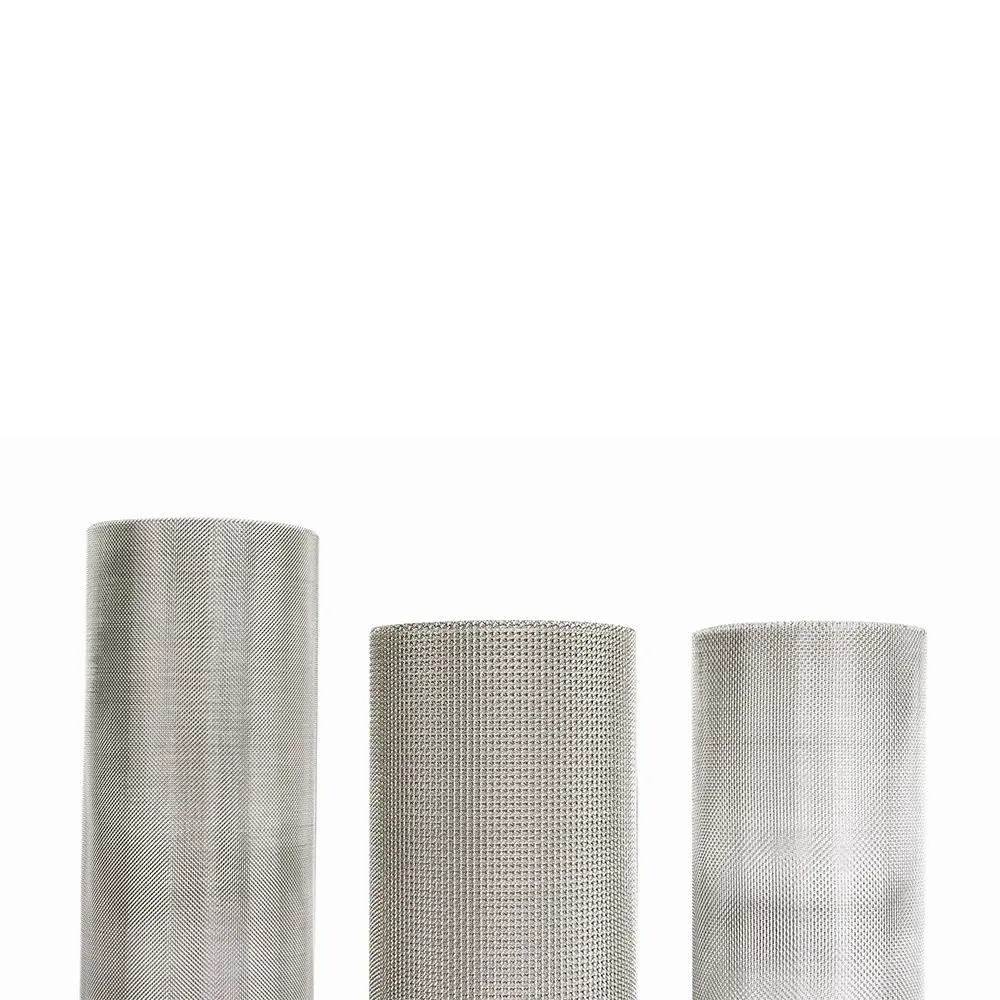
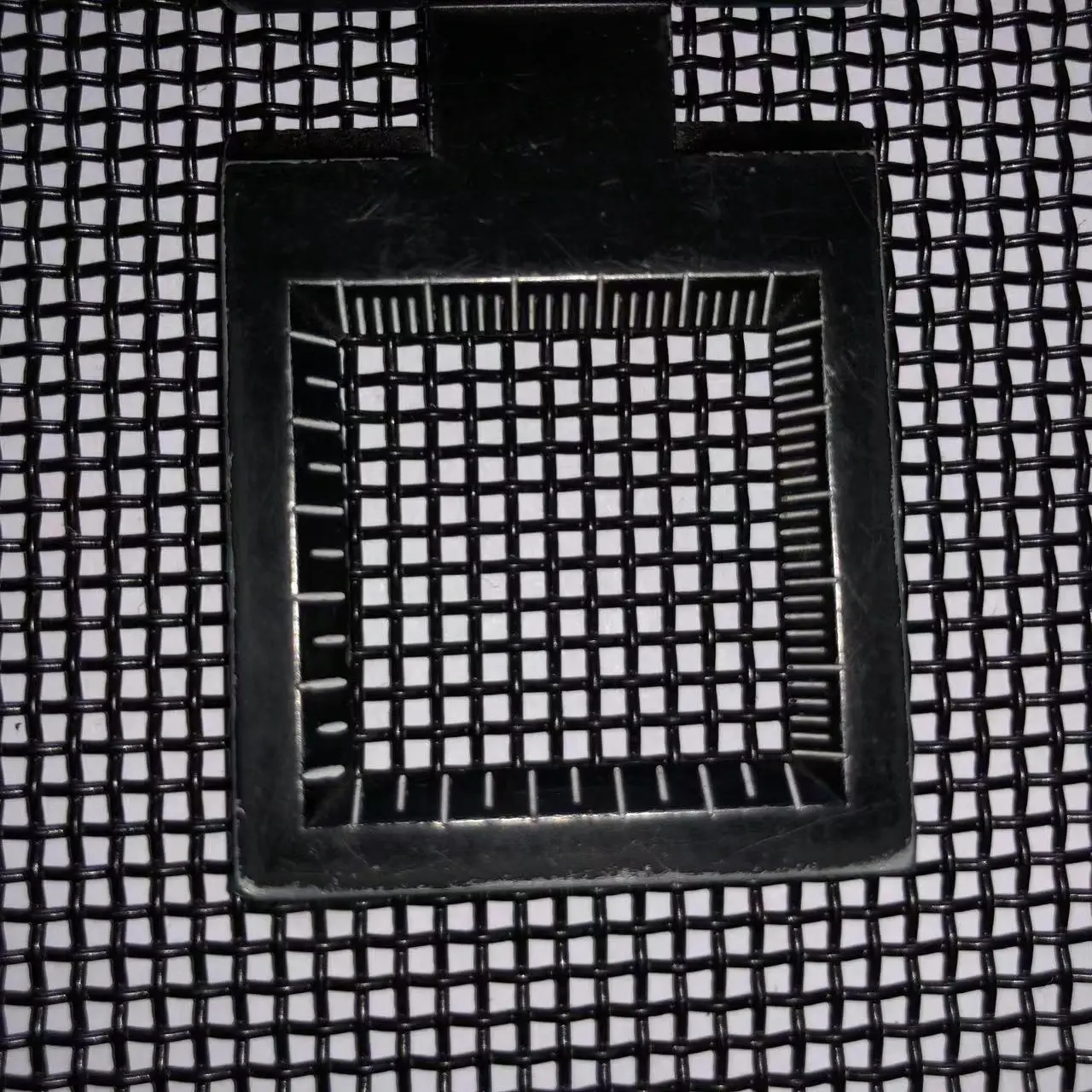
So, what exactly is a 10 mesh wire screen? If you’re not familiar, “10 mesh” means there are 10 openings per linear inch, translating roughly to 2 mm openings. That size is great for medium to coarse screening tasks — a sort of sweet spot where you want to keep larger debris out, but still allow material flow freely. I’ve seen it commonly applied in mining, chemical industries, and agricultural processing, especially for filtering coarser solids or sorting aggregates.
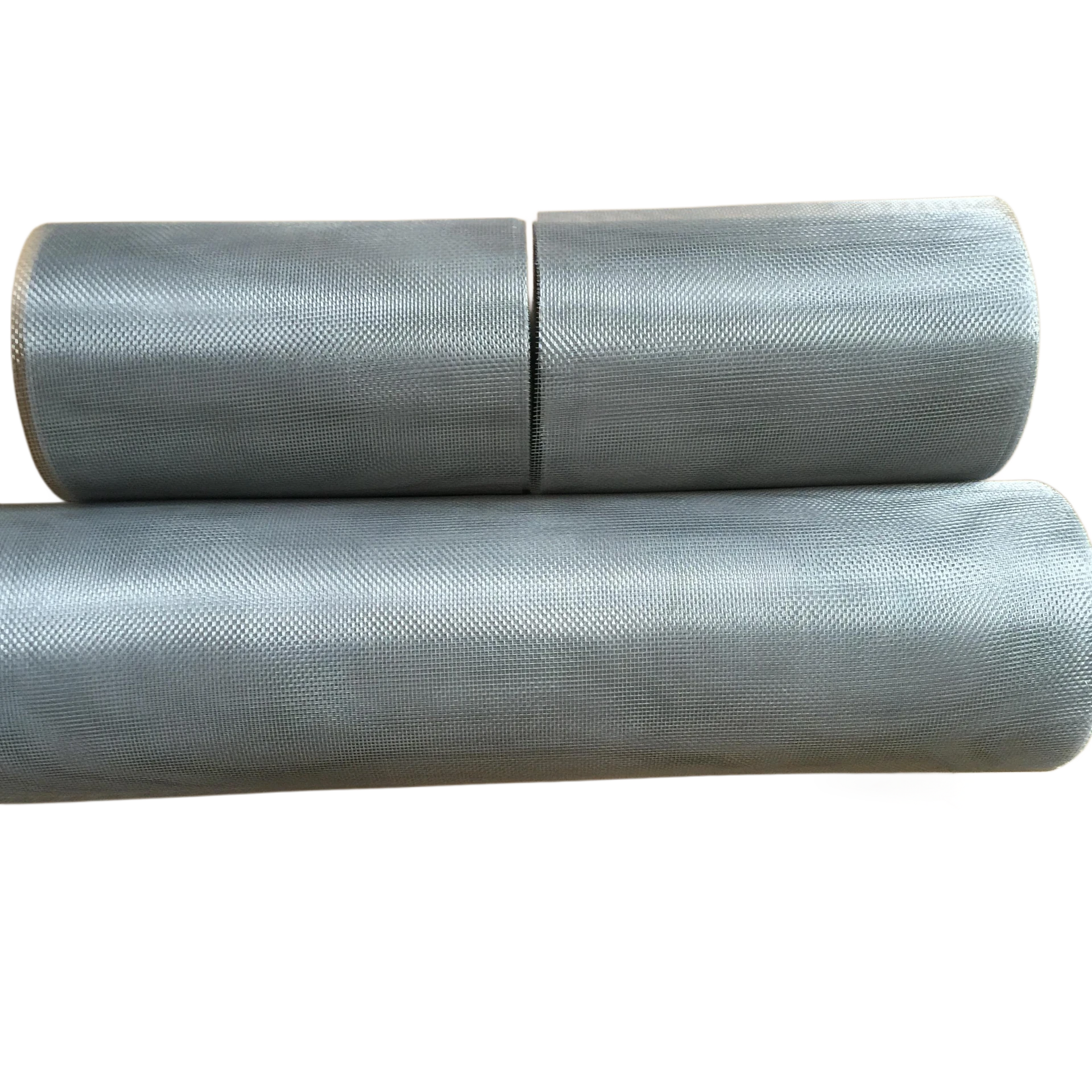
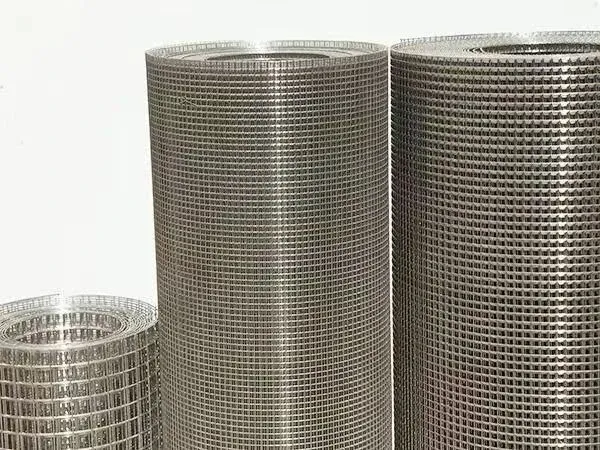
Materials really matter here. Most 10 mesh wire screens come from stainless steel or galvanized steel wire. Stainless steel is my go-to recommendation for most clients because it combines corrosion resistance with strength. I've noticed the difference firsthand on sites where moisture and chemicals are a daily grind—galvanized wire just doesn’t hold up over time in those harsh environments. Meanwhile, in less demanding settings, galvanized wire offers a cost-effective alternative that’s still fairly durable.
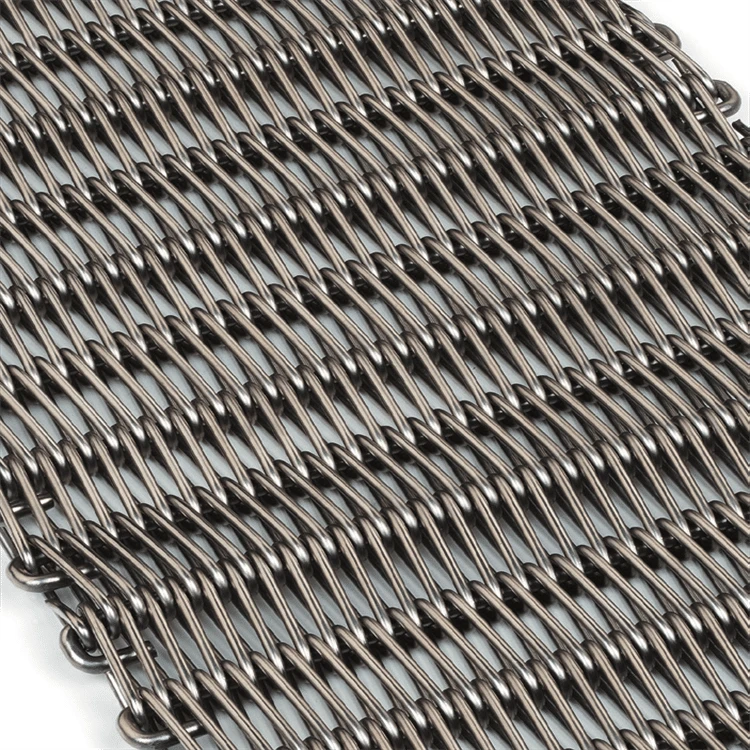
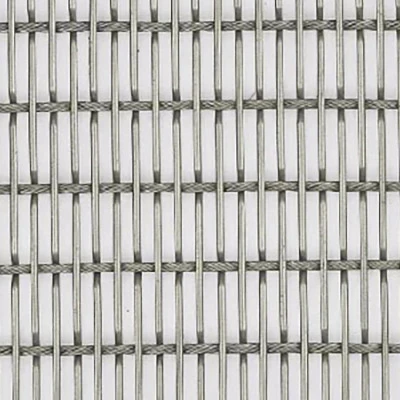
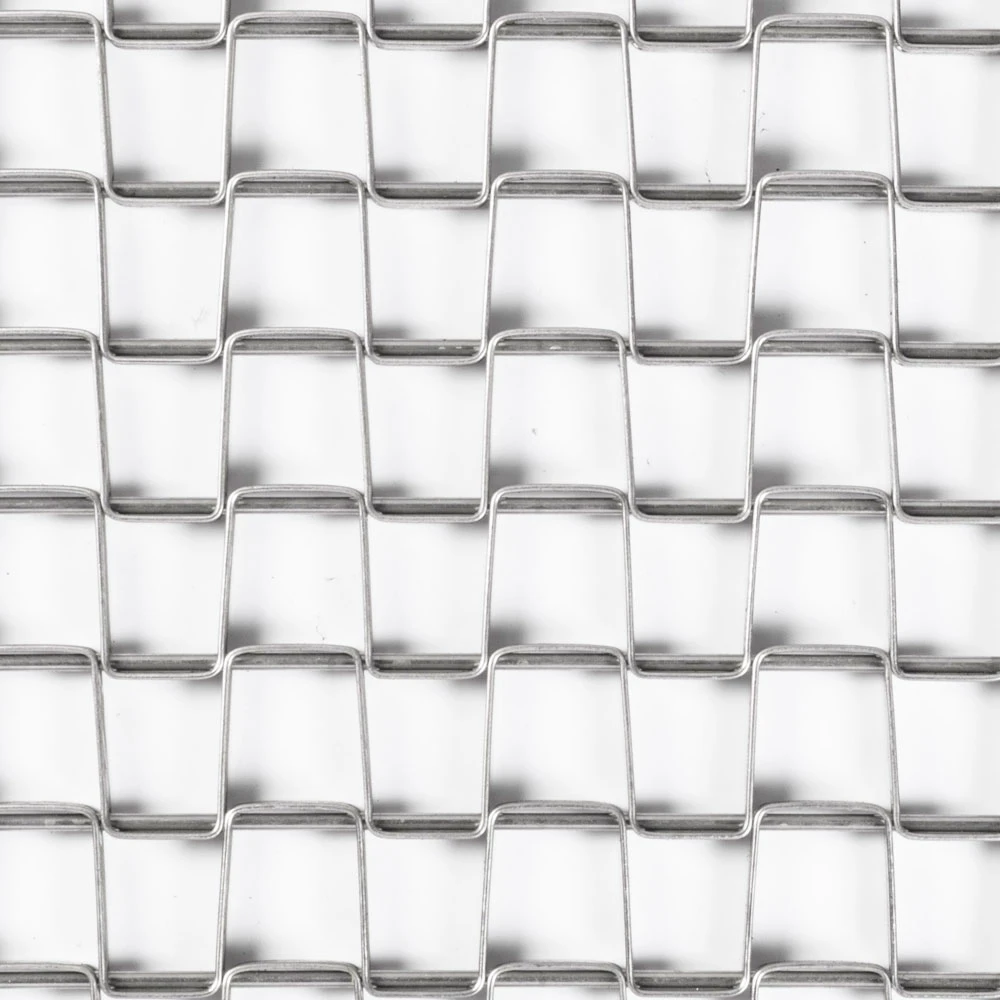
Customizability is also key. You can get the wire in various thicknesses and weaves — plain weave is the most common, but there are twill and Dutch weaves for applications demanding extra strength or different flow characteristics. Frankly, tailoring the wire diameter and mesh tightness can make or break the performance of your screening system, so it’s worth discussing specs with your supplier.
| Parameter | Details |
|---|---|
| Mesh Size | 10 mesh (10 openings per inch) |
| Opening Size | ~2.0 mm |
| Material | Stainless Steel 304 / Galvanized Steel |
| Wire Diameter | 0.3 mm – 1.0 mm (customizable) |
| Weave Type | Plain, Twill, Dutch |
| Typical Applications | Screening minerals, filtering aggregates, grain cleaning |
From my experience, a 10 mesh screen is somewhat like the “middle child” of wire meshes. Not too fine, not too coarse — it just fits many roles well. I’ve consulted on a few projects where switching from a 12 mesh to 10 mesh dramatically increased flow rates without sacrificing the quality of particle separation. These seemingly small specification tweaks can mean big operational gains.
Choosing the right vendor — well, that's another story. I’ve had clients burn money chasing the cheapest mesh and ending up with poor durability or inconsistent mesh openings. That inconsistency can seriously mess with sieving results (and budgets!). When it comes to reliable suppliers like Xingxin Wire Mesh, you get consistent quality, prompt delivery, and the option for customization — and frankly, that peace of mind is worth a premium.
| Supplier | Material Options | Customization | Lead Time | Price |
|---|---|---|---|---|
| Xingxin Wire Mesh | Stainless Steel 304/316, Galvanized | Wire diameter, weave type, mesh size | 2-3 weeks | Mid-range, value-oriented |
| Supplier B | Mostly galvanized only | Limited | 4-5 weeks | Lower |
| Supplier C | Stainless Steel only | Good | 1-2 weeks | Premium |
One memorable job involved screening crushed ore with a 10 mesh stainless steel screen. The client had tried coarser meshes before, but the finer control this mesh brought improved the downstream processing significantly. It felt like watching the process work more smoothly, almost as if the mesh was quietly doing its job without fuss — and isn’t that what you want in industrial equipment?
Finally, it’s worth noting that as industries push toward better efficiency and sustainability, the importance of choosing the right screening equipment grows. At the end of the day, a simple 10 mesh wire screen might seem basic, but the impact it has on separation efficiency and equipment lifespan is anything but.
In real terms: for anyone dealing with medium-sized particle separation or filtration, having a trusted 10 mesh wire screen ready in the toolkit is invaluable. And remember, specifications matter — so pick your material, wire diameter, and weave type carefully and work with suppliers who understand your needs.
That's my take, coming from years in the trenches. If you want durability combined with solid performance, you can’t go far wrong by focusing your search on proven 10 mesh wire alloys and trusted manufacturers like Xingxin Wire Mesh.
Quick takeaway: don't underestimate the middle mesh sizes – sometimes, they’re the clear winners.
References:
1. Industrial Wire Mesh Standards, ASTM International
2. “Wire Mesh in Mining,” Journal of Mineral Processing, 2021
3. Personal communications with equipment engineers and clients (2010–2023)
-
-
-
-
-
-
-
-
-
-
-
-
-
-
-
-