
Talk to Us
+86 13633281999
Email Address
ada@xingxinwiremesh.com
Talk to Us
+86 13633281999
Email Address
ada@xingxinwiremesh.comYou know, lately everyone's talking about prefabrication. It's not new, we've been messing with modular stuff for ages, but the push now is… different. It’s not just about speed anymore, it’s about controlling quality, reducing waste, and frankly, finding enough hands on site. I’ve seen projects stalled because skilled labor just isn't available. It’s impacting everything, even the demand for something seemingly simple like a good, reliable 10 mesh stainless steel screen. Honestly, it's a bit of a headache, but you adapt.
What people think they want in a screen, and what they actually need, are usually two different things. I've noticed, designers love getting hung up on fancy weaves and theoretical filtration rates. But out on the concrete, it’s about will it hold up to the abuse? Will it actually keep the debris out? That's what matters. Aesthetics are nice, but durability trumps everything. It’s almost always the case.
And then there’s the material itself. 304 stainless is the workhorse, of course. You can smell it when you’re unrolling a new roll – that metallic tang. It feels… substantial. Don’t get me started on the cheap stuff though. I encountered a shipment from… well, let's just say a certain factory in Zhejiang last time, that was practically aluminum painted silver. Complete garbage. Bent after one good tug. You can tell the difference. You just can.
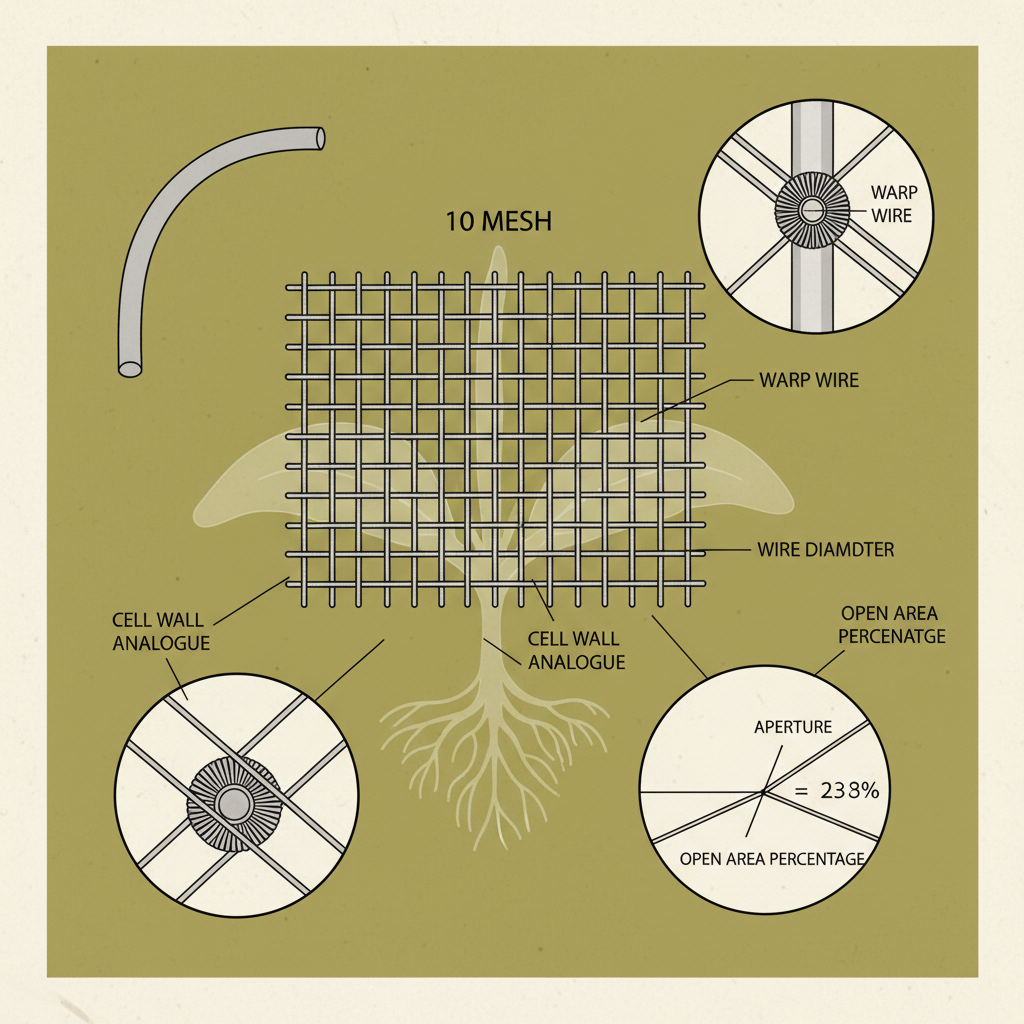
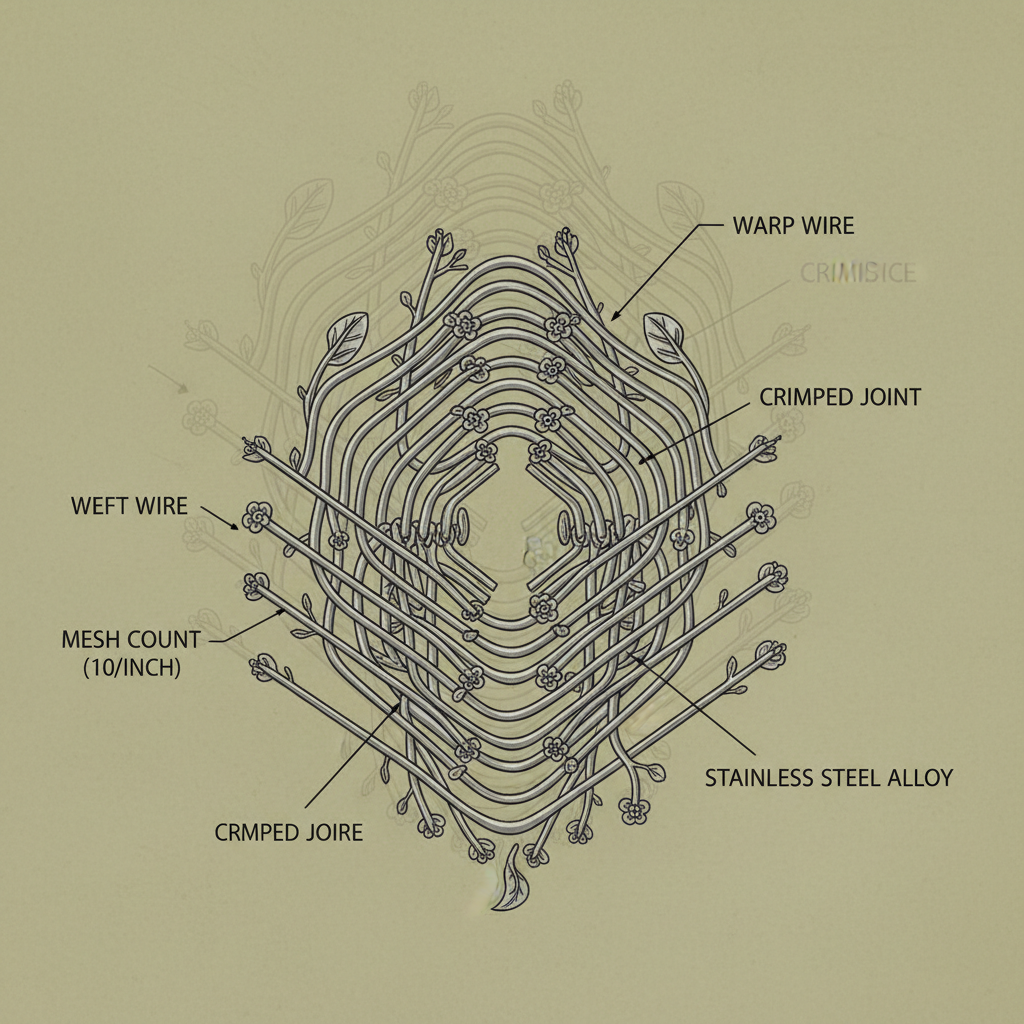
Strangely enough, the biggest trend I'm seeing isn’t some high-tech material or weaving process, it's actually a move back to simplicity. People are realizing that overly complicated designs just lead to more points of failure. And when it comes to 10 mesh stainless steel screen, that means focusing on robust construction and a consistent weave. Less fancy, more reliable.
The biggest pitfall? Engineers trying to over-engineer it. They get caught up in airflow calculations and pressure drop and forget that this thing is going to get banged around, hosed down, and generally abused. I once saw a design that had a microscopic perforation pattern, theoretically perfect for filtration, but it clogged after one day on site. Waste of money, waste of time.
Honestly, it's underestimating the environment. They’ll get a cheap screen because it's initially cheaper, and then end up replacing it three times as often. Always consider the exposure to corrosion, abrasion, and impact. A thicker gauge and higher quality stainless steel is often worth the investment. Don’t just look at the price tag, look at the total cost of ownership.
It depends. If you’re in a highly corrosive environment – near saltwater, for example – absolutely. 316 has better resistance to chloride corrosion. But for most inland applications, 304 is perfectly adequate. You're paying a premium for something you might not even need. It's all about knowing your application and not getting upsold on features you won’t use.
Simple: warm water and a mild detergent. Avoid harsh chemicals and abrasive cleaners. Those will just damage the finish and potentially cause corrosion. For stubborn build-up, a pressure washer can be used, but be careful not to damage the weave. Regular cleaning extends its lifespan dramatically.
Small tears can sometimes be patched with a stainless steel repair tape, but it’s not a long-term solution. For larger damage, it's usually more cost-effective to replace the entire screen. Trying to weld a repair can often create more problems than it solves. I’ve seen some… interesting attempts.
10 mesh strikes a good balance between filtration capacity and structural integrity. It’s good for general-purpose screening, removing larger debris while still allowing decent airflow. It's often used in HVAC systems, wastewater treatment, and as a protective barrier in industrial settings. It's a workhorse, really.
Tin snips are your friend. Get a good quality pair, and wear gloves! It'll leave a bit of a rough edge, but that’s usually not a problem. If you need a really clean cut, a metal-cutting saw is the way to go, but that’s a lot more effort on site. And always deburr the edges after cutting.
Ultimately, a 10 mesh stainless steel screen is a simple product, but it plays a critical role in a lot of different applications. Choosing the right material, understanding the environment, and prioritizing durability are key. It’s not about fancy features or complicated designs; it's about getting a reliable product that will stand up to the abuse it’s going to receive.
And that's the thing, isn't it? Whether this thing works or not, the worker will know the moment he tightens the screw. They'll feel if it's solid, if it's going to hold, if it’s worth a damn. That's what matters. And if they're happy, I'm happy. Visit our website for more information: www.xingxinwiremesh.com