

Talk to Us
+86 13633281999
Email Address
ada@xingxinwiremesh.com- Afrikaans
- Albanian
- Amharic
- Arabic
- Armenian
- Azerbaijani
- Basque
- Belarusian
- Bengali
- Bosnian
- Bulgarian
- Catalan
- Cebuano
- China
- China (Taiwan)
- Corsican
- Croatian
- Czech
- Danish
- Dutch
- English
- Esperanto
- Estonian
- Finnish
- French
- Frisian
- Galician
- Georgian
- German
- Greek
- Gujarati
- Haitian Creole
- hausa
- hawaiian
- Hebrew
- Hindi
- Miao
- Hungarian
- Icelandic
- igbo
- Indonesian
- irish
- Italian
- Japanese
- Javanese
- Kannada
- kazakh
- Khmer
- Rwandese
- Korean
- Kurdish
- Kyrgyz
- Lao
- Latin
- Latvian
- Lithuanian
- Luxembourgish
- Macedonian
- Malgashi
- Malay
- Malayalam
- Maltese
- Maori
- Marathi
- Mongolian
- Myanmar
- Nepali
- Norwegian
- Norwegian
- Occitan
- Pashto
- Persian
- Polish
- Portuguese
- Punjabi
- Romanian
- Russian
- Samoan
- Scottish Gaelic
- Serbian
- Sesotho
- Shona
- Sindhi
- Sinhala
- Slovak
- Slovenian
- Somali
- Spanish
- Sundanese
- Swahili
- Swedish
- Tagalog
- Tajik
- Tamil
- Tatar
- Telugu
- Thai
- Turkish
- Turkmen
- Ukrainian
- Urdu
- Uighur
- Uzbek
- Vietnamese
- Welsh
- Bantu
- Yiddish
- Yoruba
- Zulu
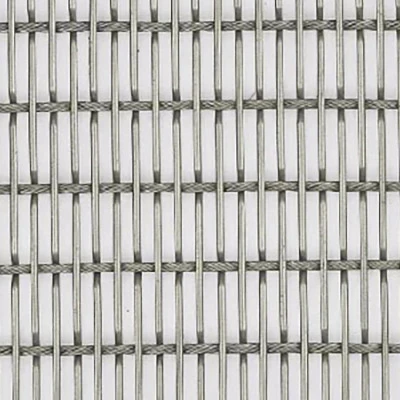
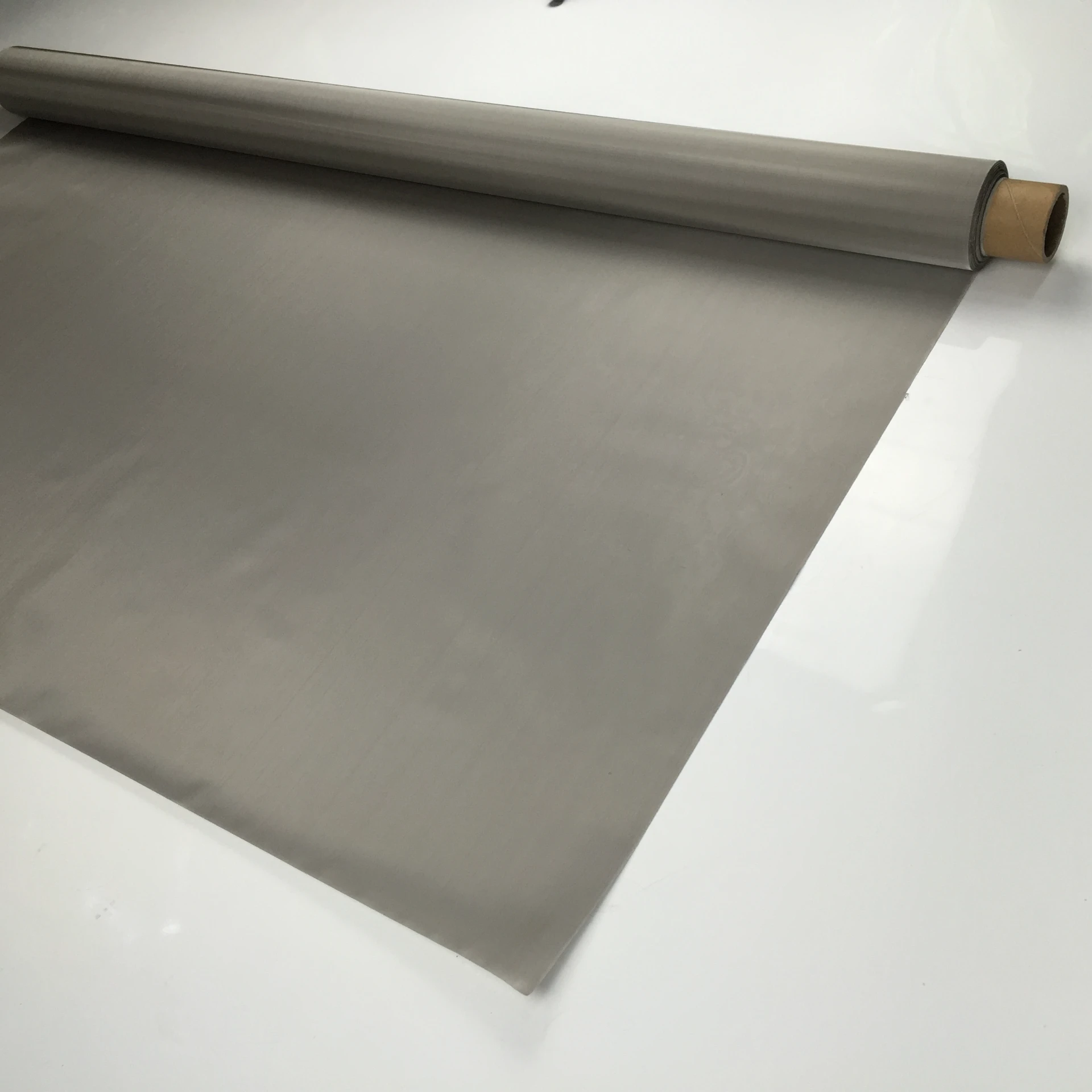
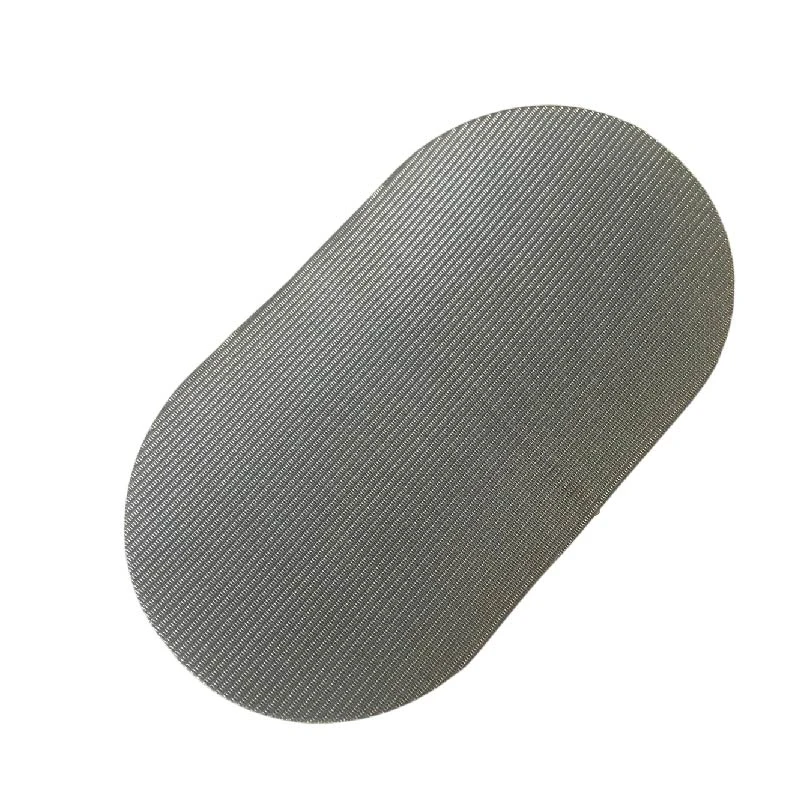
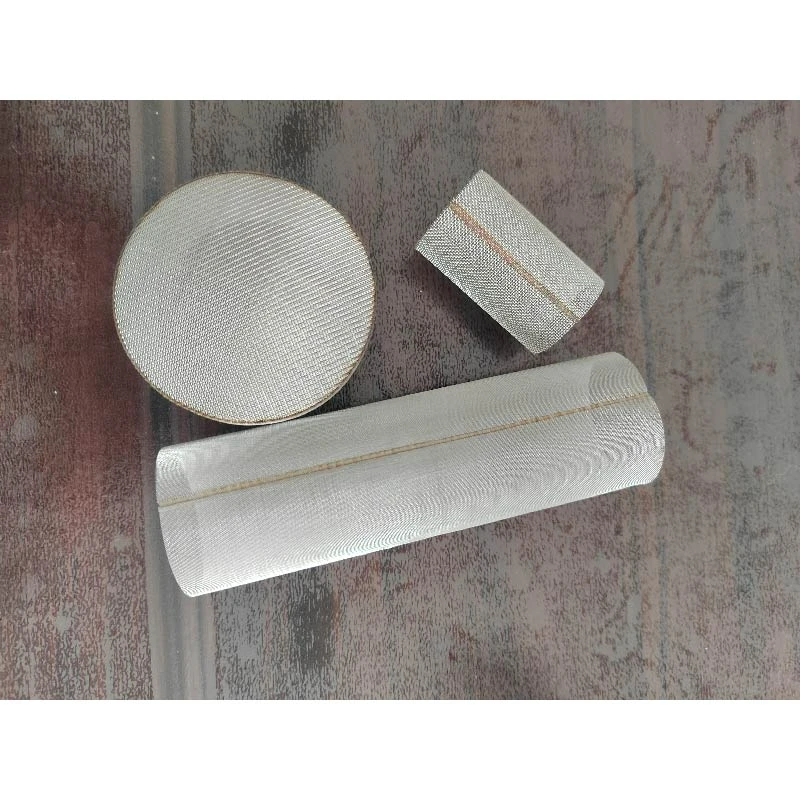
Metal Wire Mesh for Filtration & Separation
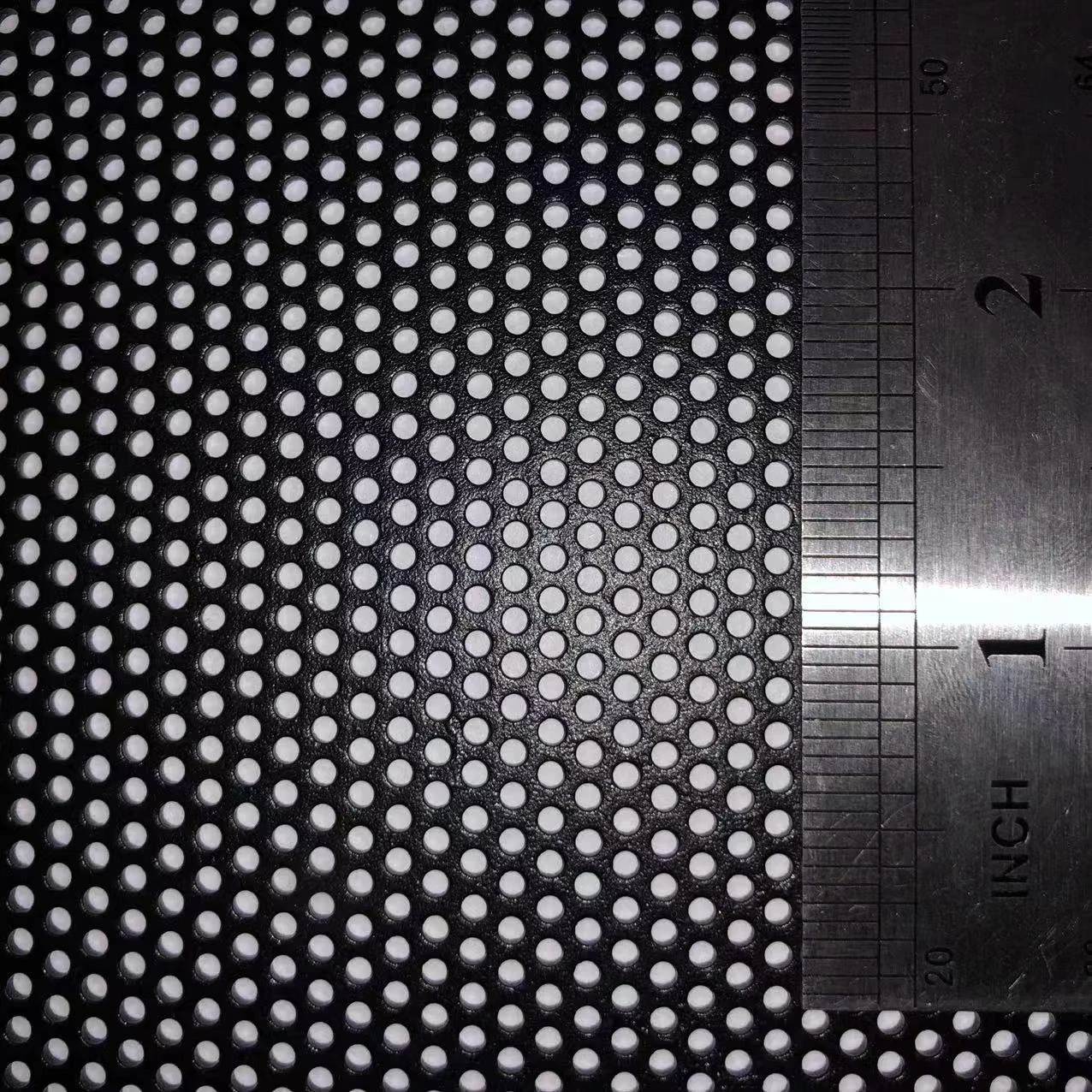
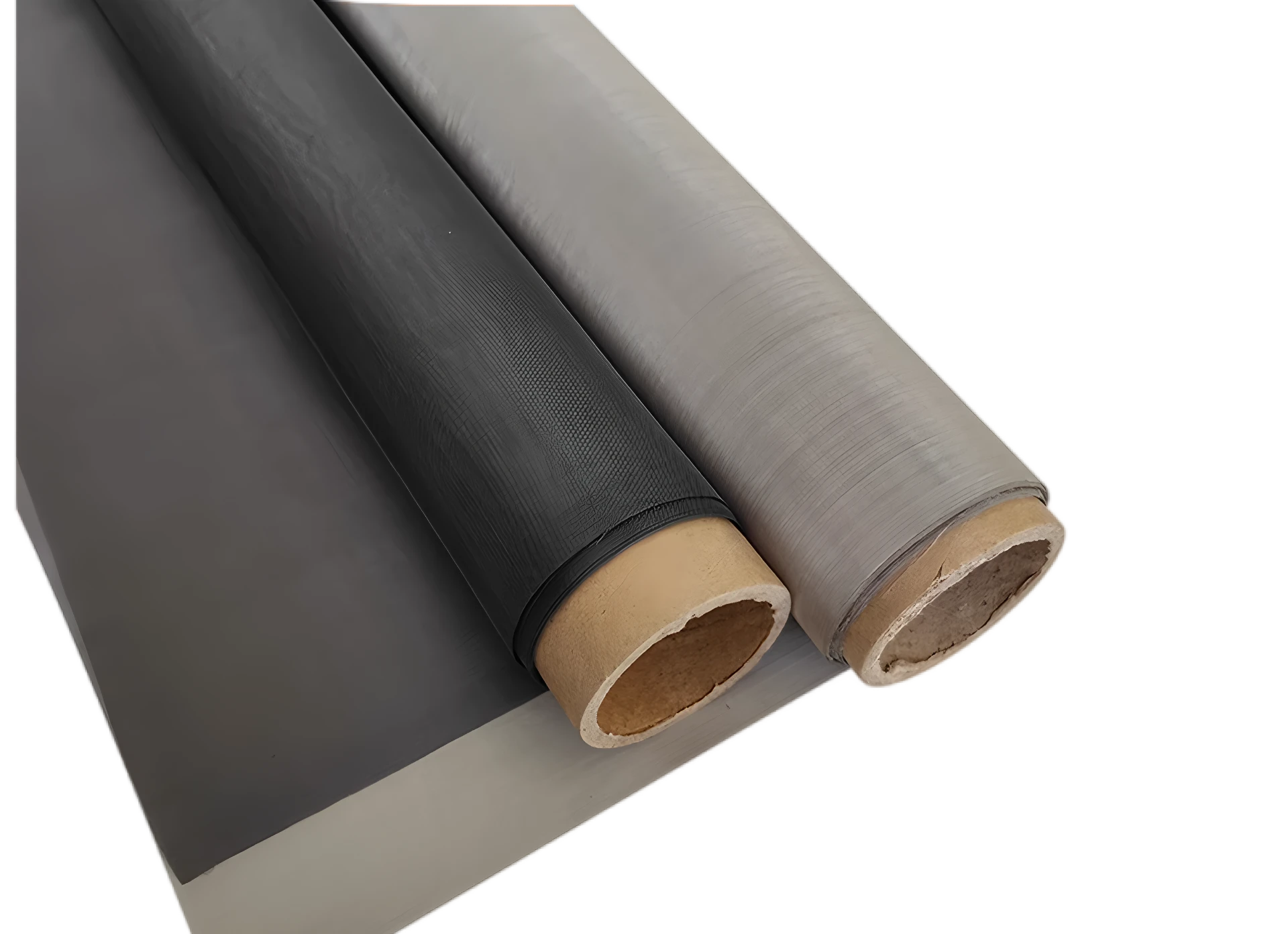
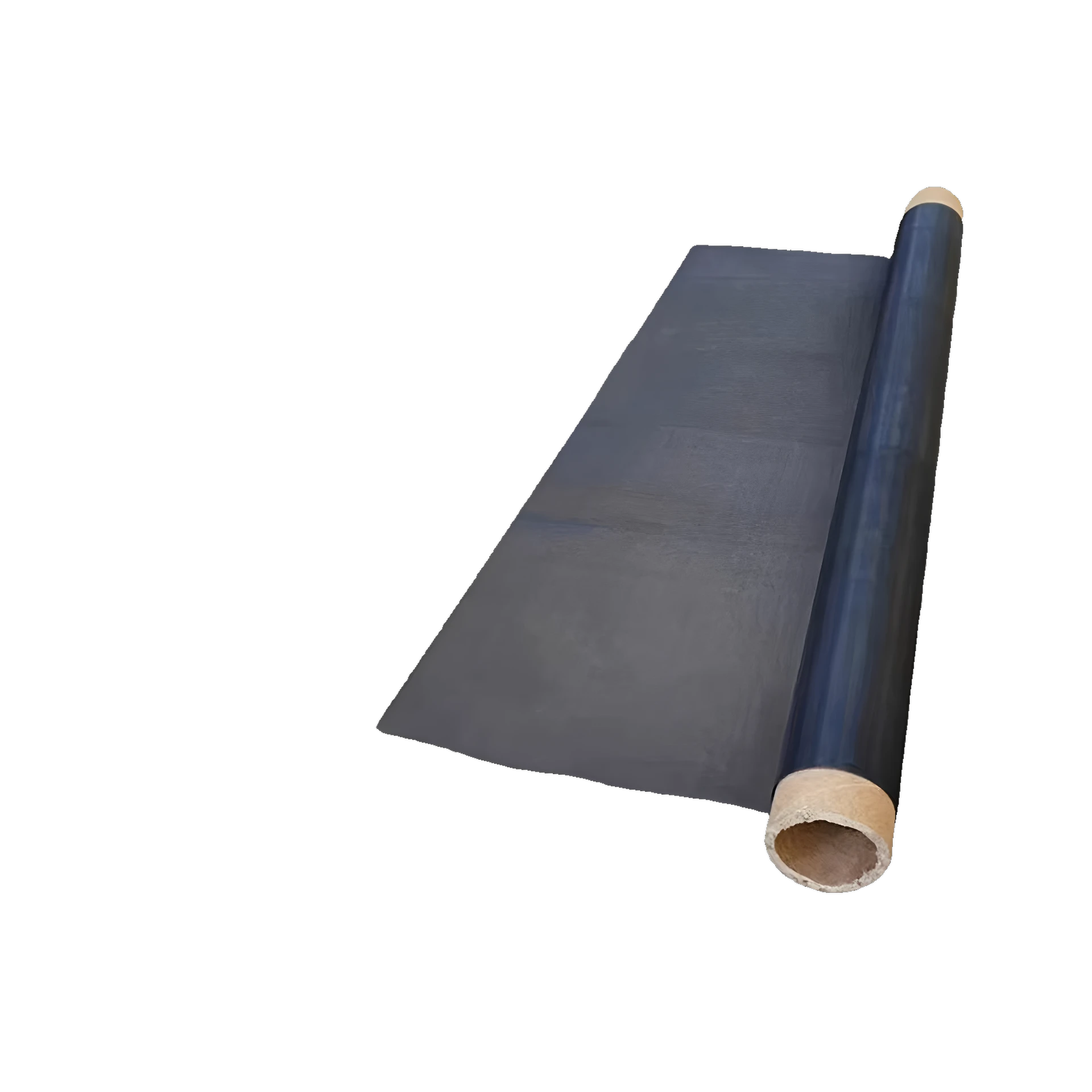
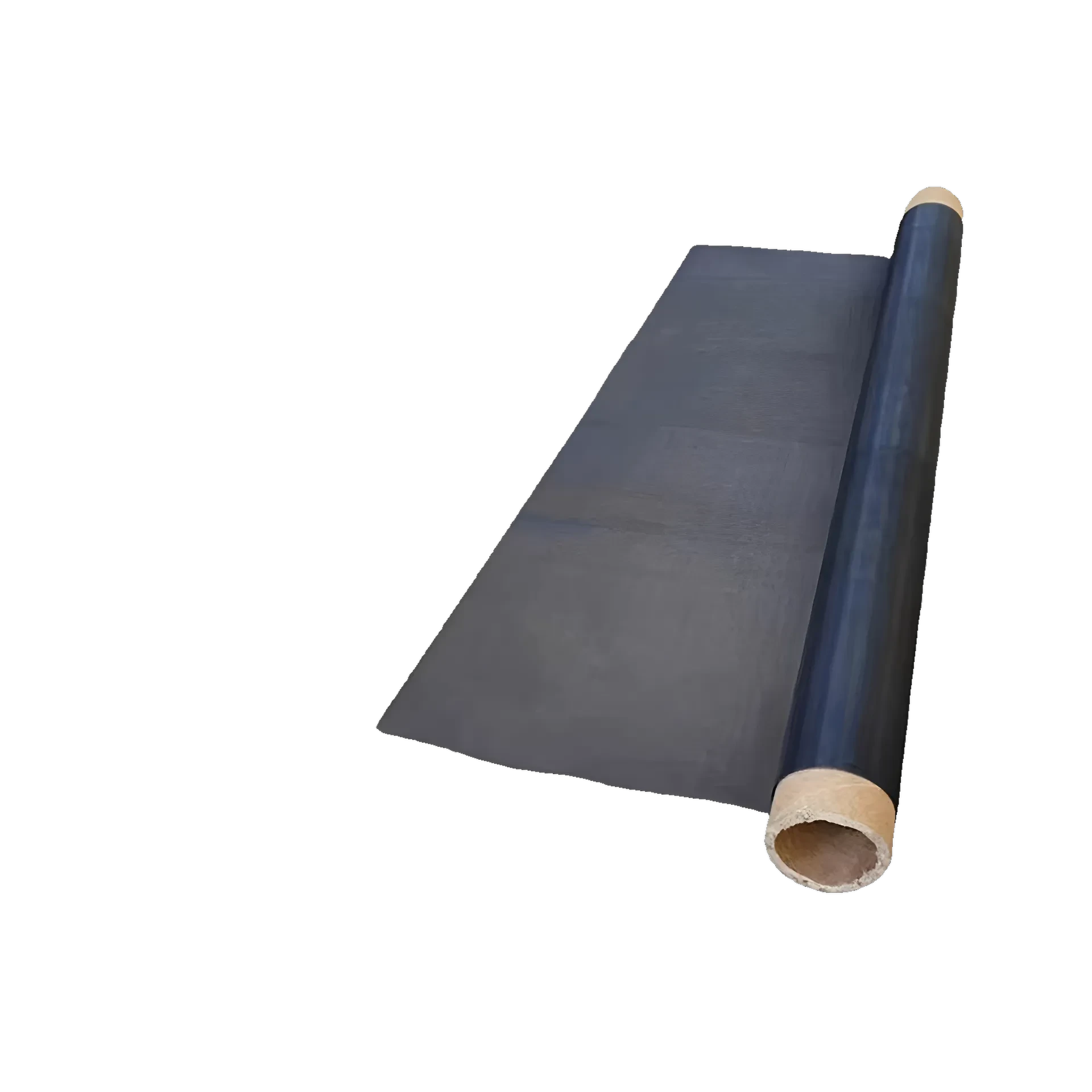
Filtration and separation are essential processes in modern industry, ensuring product purity, system efficiency, and environmental protection. The demand for reliable and durable filtration materials has driven the development of high-performance metal wire mesh products. Among them, stainless steel wire mesh, nickel wire mesh, titanium wire mesh, tungsten wire mesh, and molybdenum wire mesh have become indispensable due to their superior strength, corrosion resistance, and thermal stability.
These materials are used in chemical processing, petroleum refining, gas separation, battery production, electrolysis, hydrogen generation, high-temperature systems, and air and liquid filtration. Each mesh type serves a specific role depending on the operating environment, temperature, and chemical conditions.
Stainless Steel Wire Mesh – The Universal Solution for Filtration
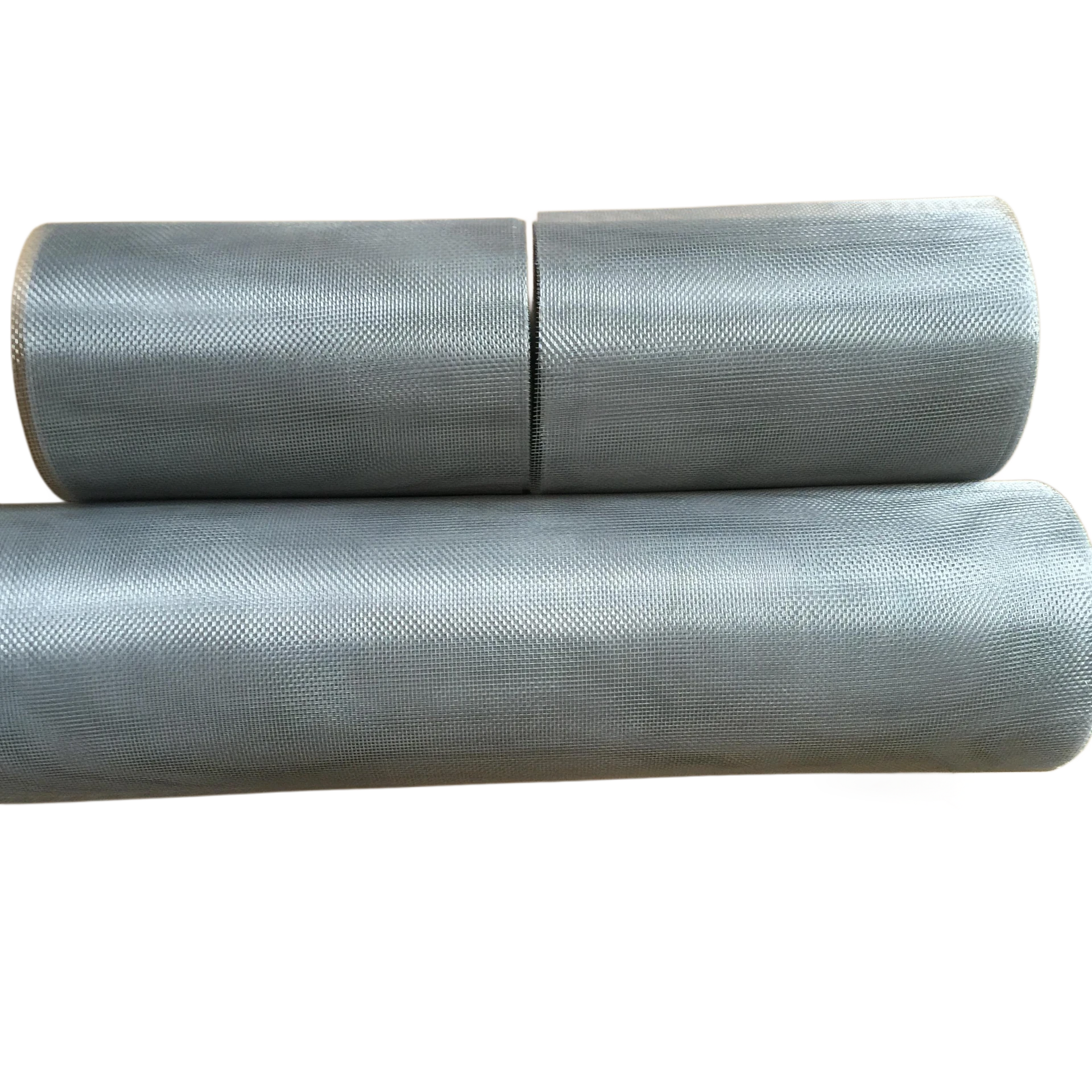
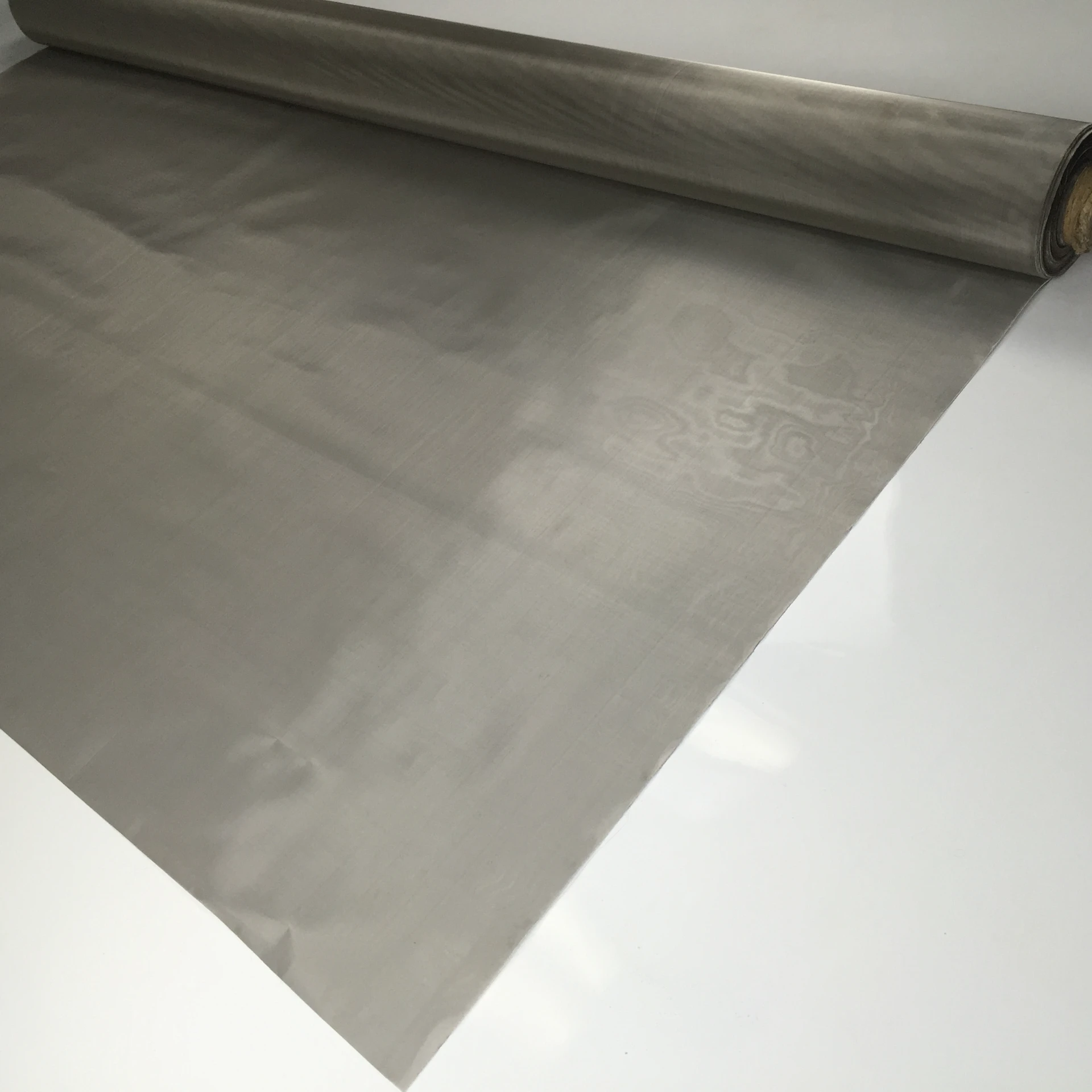
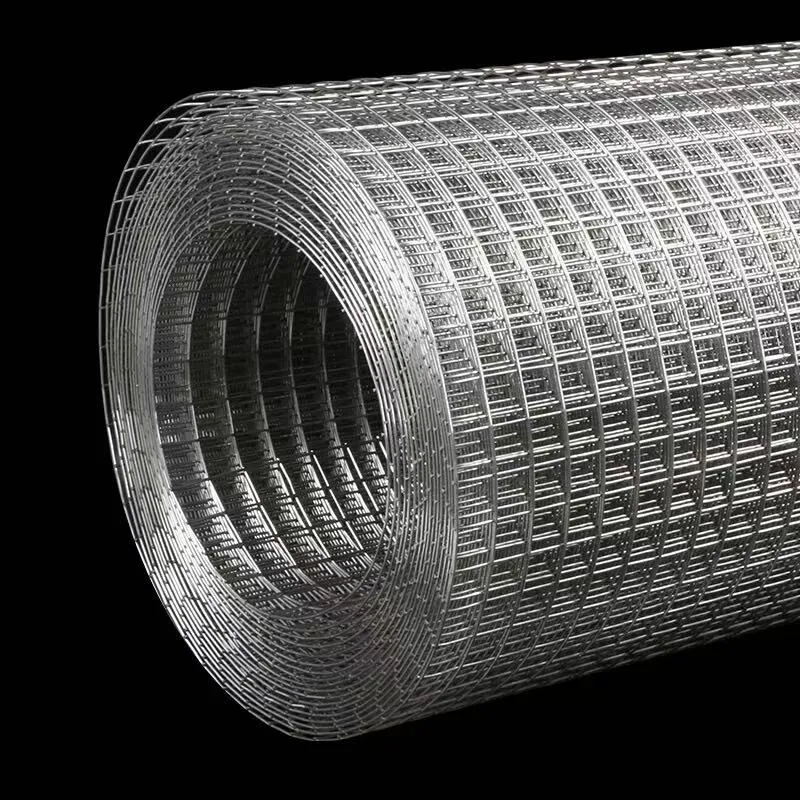
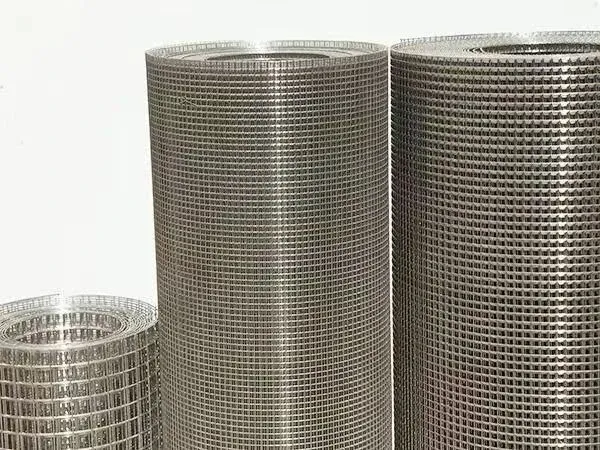
Stainless steel wire mesh is the most versatile and widely used filtration material in industrial applications. Made from high-grade stainless steels such as 304, 316, or 316L, it offers excellent resistance to corrosion, oxidation, and mechanical wear.
Applications:
Chemical Filtration and Catalysis:
Stainless steel mesh is used in chemical reactors, catalyst recovery, and distillation columns to separate solids, liquids, and gases. Its stable performance under acidic and alkaline environments makes it ideal for chemical and pharmaceutical production lines.
Oil and Gas Separation:
In the petroleum industry, stainless steel mesh is applied in demisters, coalescers, and sand control screens to filter impurities and prevent contamination during oil extraction and refining.
Air and Liquid Filtration:
It serves as a key material in air purification systems, water treatment units, and HVAC filters, ensuring clean and consistent flow.
Advantages:
Stainless steel wire mesh provides durability, reusability, and high permeability, which makes it a cost-effective long-term filtration solution. It can be easily cleaned, sterilized, or backwashed without losing performance.
Nickel Wire Mesh – For Corrosive and High-Temperature Environments
Nickel wire mesh is known for its exceptional resistance to corrosion and oxidation, especially in harsh chemical environments. It maintains its mechanical strength and electrical conductivity even at elevated temperatures.
Applications:
Chemical Processing:
Nickel mesh is ideal for equipment that handles strong acids, alkalis, and salts. It is widely used in reactors, heat exchangers, and separators within chemical and petrochemical plants.
Energy and Electrochemical Systems:
In new energy applications, such as fuel cells and batteries, nickel wire mesh serves as a current collector or gas diffusion layer due to its excellent conductivity and chemical stability.
Hydrogen Generation & Electrolysis:
Nickel mesh is a preferred electrode material in water electrolysis systems, facilitating efficient hydrogen production while resisting corrosion in alkaline electrolytes.
Advantages:
Its high melting point (1455°C) and excellent resistance to oxidation make nickel wire mesh suitable for demanding industrial conditions. It’s particularly favored in petroleum, aerospace, and energy industries that require reliable performance under extreme temperatures and chemical exposure.
Titanium Wire Mesh – The Ideal Material for Electrochemical and Corrosive Environments
Titanium wire mesh is valued for its outstanding corrosion resistance, light weight, and biocompatibility. It is particularly suited for filtration and separation tasks in electrochemical and marine environments.
Applications:
Electroplating and Electrolysis:
Titanium mesh is commonly used as an anode or cathode substrate in electroplating, electrolytic copper production, and ionized water electrolysis systems.
Chemical and Marine Filtration:
It performs exceptionally well under acidic and alkaline conditions, making it a reliable choice for filtration in seawater desalination, chlor-alkali plants, and marine engineering.
Gas and Liquid Separation:
Its high strength-to-weight ratio and chemical stability make it ideal for separating or purifying gases and liquids under pressure or corrosive conditions.
Advantages:
Titanium mesh offers low density, excellent corrosion resistance, and long lifespan. It can also operate efficiently at high temperatures, providing consistent filtration performance in critical chemical processes and environmental protection systems.
Tungsten Wire Mesh – For High-Temperature and Vacuum Applications
Tungsten wire mesh is a specialized material known for its extraordinary melting point (3410°C) and excellent thermal stability. It retains strength and structure in extreme heat, making it suitable for advanced industrial environments.
Applications:
Vacuum Equipment & Heating Systems:
Tungsten mesh is widely used as heating elements or filters in vacuum furnaces, sintering equipment, and high-temperature reactors.
Chemical and Metallurgical Processes:
Its resistance to corrosion by molten metals and chemicals makes it ideal for filters in acid-making and hydrogen production plants.
Battery and Hydrogen Energy Fields:
Tungsten mesh is also used in electrodes, fuel cells, and hydrogen-making devices where thermal and electrical stability are essential.
Advantages:
Tungsten wire mesh provides excellent conductivity, mechanical strength, and resistance to deformation under extreme heat and vacuum. It is crucial in industries requiring precision filtration and high-temperature endurance, such as semiconductors, metallurgy, and aerospace.
Molybdenum Wire Mesh – Precision Filtration in Extreme Conditions
Molybdenum wire mesh offers a perfect balance between strength, corrosion resistance, and thermal conductivity. It performs exceptionally well in reducing, neutral, and inert atmospheres, where stainless steel or nickel may not suffice.
Applications:
High-Temperature Filtration and Shielding:
Molybdenum mesh is used in furnaces, sintering filters, and thermal shielding systems.
Electronics and Semiconductor Production:
It serves as an essential component in electronic filtration, sputtering targets, and display manufacturing.
Chemical and Vacuum Equipment:
Molybdenum mesh maintains structural integrity in vacuum conditions, ensuring consistent separation efficiency for gases and fine powders.
Advantages:
It provides high melting point (2620°C), excellent strength-to-weight ratio, and stable conductivity, making it ideal for precision filtering and sintering applications in aerospace, energy, and advanced manufacturing industries.
Metal wire mesh materials have revolutionized industrial filtration and separation systems by offering durability, chemical resistance, and superior performance in extreme environments.
Stainless steel wire mesh is the all-purpose solution for chemical, air, and liquid filtration.
Nickel wire mesh excels in high-temperature and corrosive chemical processing.
Titanium wire mesh is the go-to choice for electrochemical and seawater applications.
Tungsten wire mesh performs reliably in high-temperature vacuum and energy systems.
Molybdenum wire mesh delivers precision filtration in demanding thermal and chemical environments.
Together, these materials form the backbone of modern industrial filtration and separation technology, ensuring the purity, safety, and efficiency of countless manufacturing and energy processes.
-
-
-
-
-
-
-
-

-
-
-
-
-
-
-
-
-
-
-