

Talk to Us
+86 13633281999
Email Address
ada@xingxinwiremesh.com- Afrikaans
- Albanian
- Amharic
- Arabic
- Armenian
- Azerbaijani
- Basque
- Belarusian
- Bengali
- Bosnian
- Bulgarian
- Catalan
- Cebuano
- China
- China (Taiwan)
- Corsican
- Croatian
- Czech
- Danish
- Dutch
- English
- Esperanto
- Estonian
- Finnish
- French
- Frisian
- Galician
- Georgian
- German
- Greek
- Gujarati
- Haitian Creole
- hausa
- hawaiian
- Hebrew
- Hindi
- Miao
- Hungarian
- Icelandic
- igbo
- Indonesian
- irish
- Italian
- Japanese
- Javanese
- Kannada
- kazakh
- Khmer
- Rwandese
- Korean
- Kurdish
- Kyrgyz
- Lao
- Latin
- Latvian
- Lithuanian
- Luxembourgish
- Macedonian
- Malgashi
- Malay
- Malayalam
- Maltese
- Maori
- Marathi
- Mongolian
- Myanmar
- Nepali
- Norwegian
- Norwegian
- Occitan
- Pashto
- Persian
- Polish
- Portuguese
- Punjabi
- Romanian
- Russian
- Samoan
- Scottish Gaelic
- Serbian
- Sesotho
- Shona
- Sindhi
- Sinhala
- Slovak
- Slovenian
- Somali
- Spanish
- Sundanese
- Swahili
- Swedish
- Tagalog
- Tajik
- Tamil
- Tatar
- Telugu
- Thai
- Turkish
- Turkmen
- Ukrainian
- Urdu
- Uighur
- Uzbek
- Vietnamese
- Welsh
- Bantu
- Yiddish
- Yoruba
- Zulu
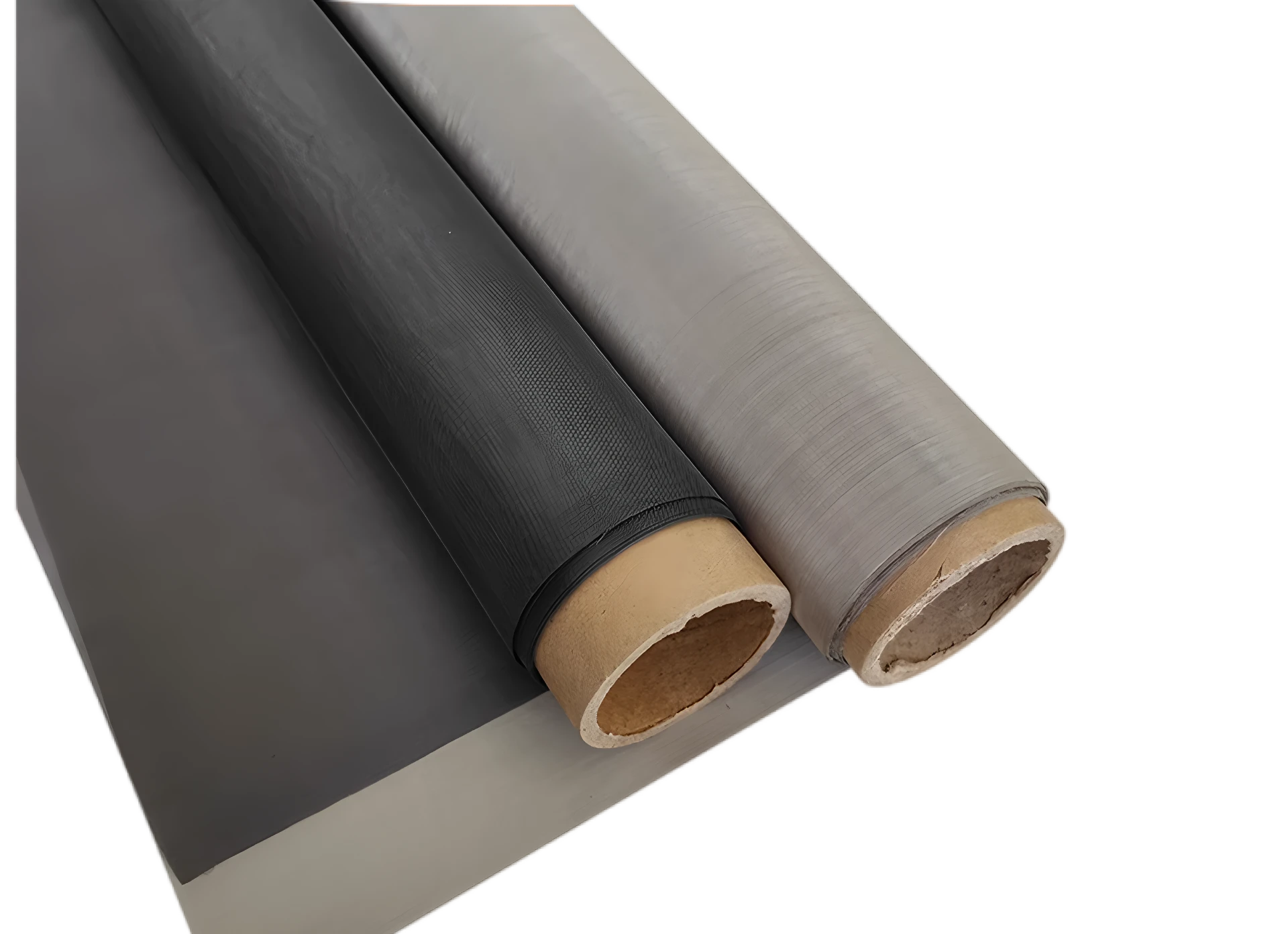
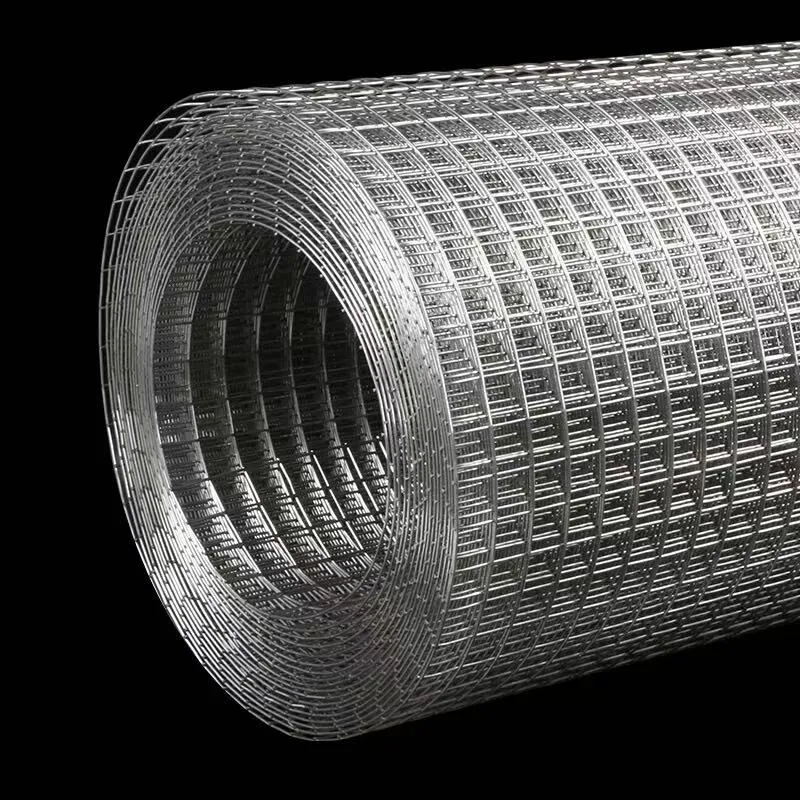
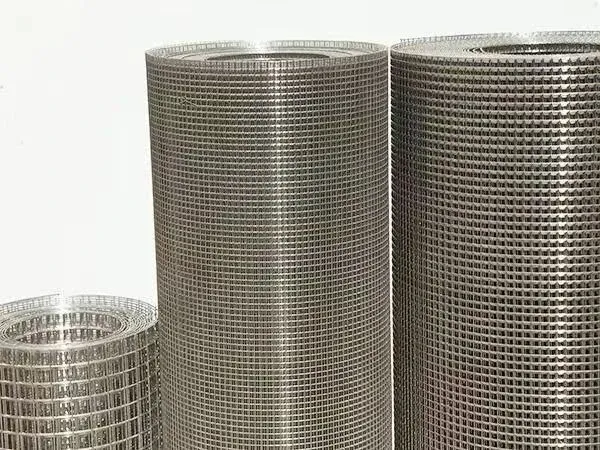
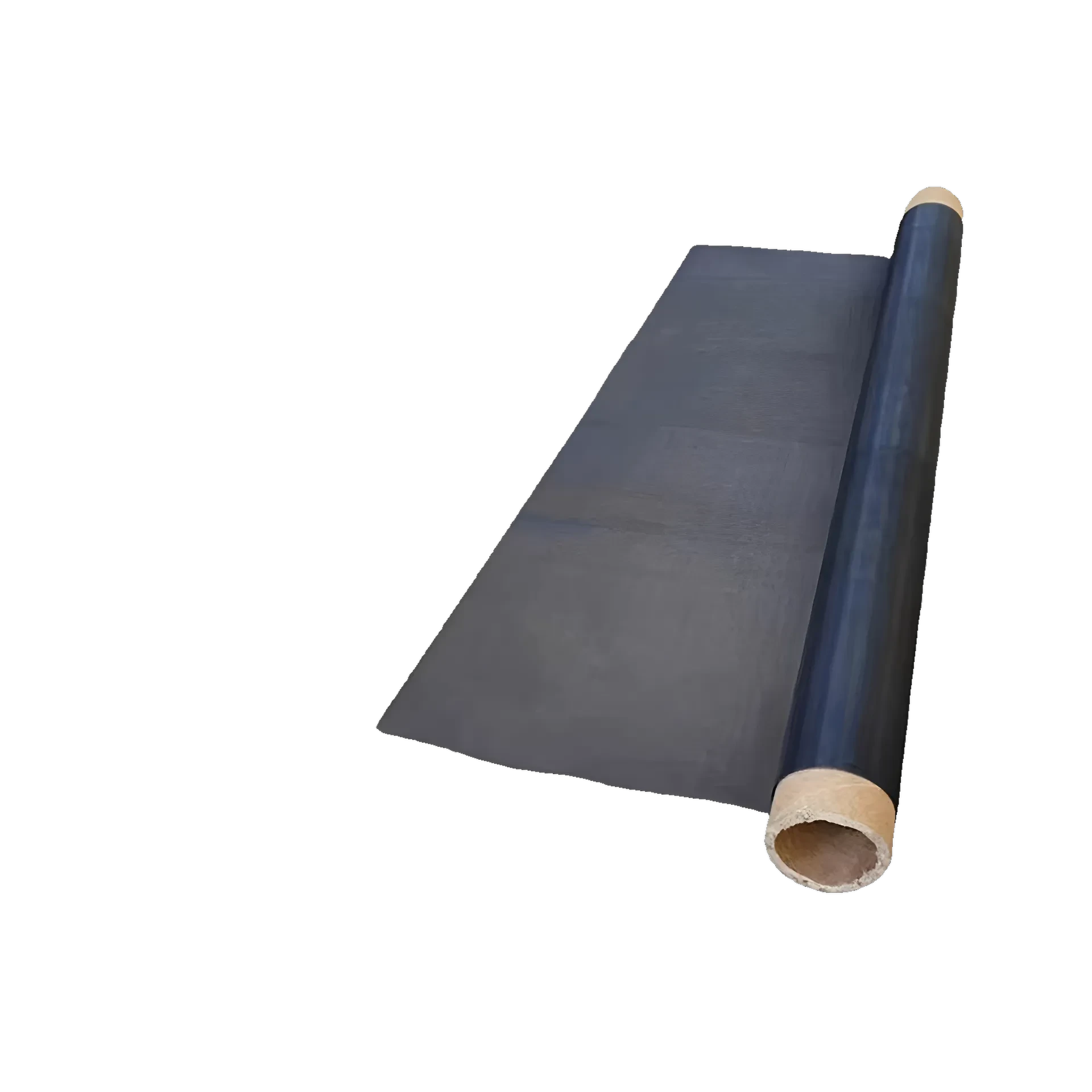
Corrosion-Resistant Metal Wire Mesh Solutions
In modern industrial processes, corrosion resistance is a critical requirement. Industries such as chemical processing, pharmaceuticals, petrochemicals, and metallurgy frequently operate under harsh conditions — including exposure to strong acids, alkalis, high temperatures, and reactive gases. In such environments, conventional materials like carbon steel or even standard stainless steel often degrade rapidly, leading to system failure, contamination, and costly downtime.
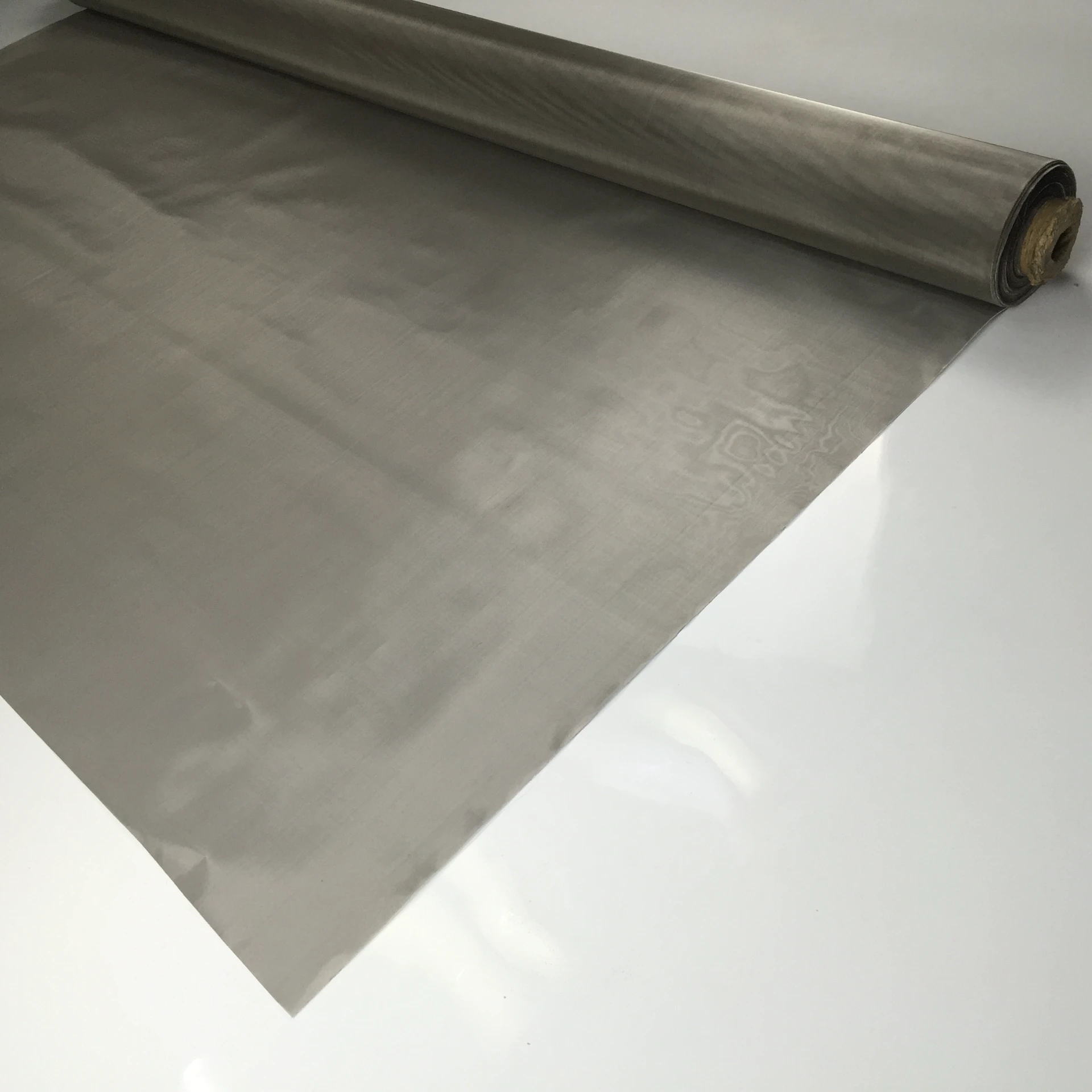
To overcome these challenges, advanced nickel-based and titanium-based alloys are used to manufacture high-performance wire meshes that can withstand corrosive media and extreme heat. Among them, Inconel wire mesh, Hastelloy wire mesh, Titanium wire mesh, and Monel wire mesh are the most reliable materials for filtration, screening, and protection in chemical and corrosion-resistant applications.
Inconel Wire Mesh – The High-Temperature Corrosion-Resistant Material
Inconel wire mesh is a nickel-chromium-based alloy renowned for its exceptional resistance to oxidation, carburization, and thermal corrosion. It retains high strength and stability across a wide temperature range, even above 1000°C, making it ideal for use in the most demanding environments.
Applications:
Chlorination and Acid-Alkali Production:
Inconel mesh is widely used in reactors, heat exchangers, and equipment that handle chlorine, hydrogen chloride, or alkali metals. It resists corrosion in the presence of hydrogen fluoride, chlorine gas, and sulfur compounds, where other alloys fail.
Heat Treatment Furnaces and Nuclear Systems:
Inconel mesh is a preferred material for retorts, heating elements, thermocouple sleeves, and other furnace components operating in carburizing and nitriding atmospheres. Its resistance to oxidation and creep deformation ensures reliable long-term performance.
Petrochemical Processes:
It is used in catalyst regenerators, cracking units, and reactors that operate under oxidizing and reducing conditions.
Key Advantages:
Outstanding high-temperature strength and oxidation resistance
Excellent corrosion resistance in acidic, chloride, and fluoride environments
Suitable for applications above 700°C (especially Inconel 600H/601)
Long service life with minimal maintenance
Because of its superior mechanical and chemical stability, Inconel wire mesh is a cornerstone material for chlorination equipment, high-temperature reactors, and petrochemical regeneration systems.
Hastelloy Wire Mesh – Ultimate Resistance in Acidic and Alkali Environments
Hastelloy wire mesh is a superalloy composed primarily of nickel, molybdenum, and chromium, providing excellent resistance to oxidizing and reducing agents. It is particularly effective against strong acids like hydrochloric, sulfuric, phosphoric, and hydrofluoric acids.
Applications:
Acid and Alkali Chemical Plants:
Hastelloy mesh is used in chlorination devices, acid recovery systems, and chemical reactors that involve corrosive media. It maintains its integrity and prevents contamination during production of fertilizers, dyes, and industrial acids.
Pharmaceutical and Pesticide Processing:
The mesh is commonly used in filtration and purification systems for drug manufacturing, pesticide processing, and cellophane preparation, where both chemical resistance and cleanliness are essential.
Incineration and Scrubber Systems:
In gas treatment or exhaust purification, Hastelloy mesh serves as a filter and catalyst carrier, withstanding high-temperature acidic gases.
Key Advantages:
Excellent resistance to pitting and stress-corrosion cracking
Performs well in both oxidizing and reducing environments
Resistant to acid mist, chlorine compounds, and saltwater corrosion
Long service life and low maintenance cost
In environments where ordinary stainless steel fails rapidly, Hastelloy wire mesh provides unmatched corrosion resistance and durability. It is the preferred choice for acidic processing equipment, scrubber apparatus, and chemical filtration systems operating under extreme conditions.
Titanium Wire Mesh – Lightweight, Corrosion-Proof, and Electrically Stable
Titanium wire mesh combines lightweight properties with outstanding corrosion resistance in both acidic and alkaline conditions. Unlike traditional alloys, titanium naturally forms a stable oxide film (TiO₂) on its surface, providing self-passivation that prevents further oxidation or corrosion.
Applications:
Electrolysis and Hydrogen Production:
Titanium mesh is commonly used as an electrode substrate or current collector in electrolysis cells, especially for ionized water, chlor-alkali, and hydrogen generation systems. It maintains conductivity and mechanical strength even under prolonged exposure to electrolytes.
Chemical and Pharmaceutical Equipment:
It is widely applied in acid and alkali filtration systems, chemical reactors, and pharmaceutical purification units, providing long-term chemical stability without contamination risk.
Heat Treatment and Desalination Systems:
Titanium mesh performs well in marine and high-temperature environments, such as heat exchangers and seawater desalination units, where it resists both corrosion and scaling.
Key Advantages:
Excellent resistance to both strong acids and alkalis
Lightweight yet mechanically strong
High corrosion resistance in seawater and chloride-rich environments
Stable electrical performance in electrochemical applications
Thanks to its combination of strength, low weight, and corrosion resistance, titanium wire mesh is essential in industries that require both chemical stability and mechanical durability, such as electrolysis, pharmaceutical production, and marine engineering.
Monel Wire Mesh – Reliable in Marine and Chemical Processing
Monel wire mesh is a nickel-copper alloy (typically Monel 400) known for its excellent resistance to seawater, acids, alkalis, and high-temperature oxidation. It offers an outstanding balance of strength, ductility, and corrosion resistance across a broad range of chemical environments.
Applications:
Chemical and Petrochemical Equipment:
Monel mesh is used in heat exchangers, evaporators, and processing vessels that handle acidic or alkaline substances. It resists corrosion in hydrofluoric acid, sulfuric acid, and caustic soda solutions.
Marine and Offshore Systems:
Due to its seawater corrosion resistance, Monel wire mesh is widely used in marine fixtures, pumps, and valves, providing durable filtration and protection against biofouling and saline corrosion.
Energy and Aerospace Components:
It is also used in electrical and electronic components, heaters, and fuel systems that require both conductivity and corrosion protection.
Key Advantages:
Excellent resistance to both acids and alkalis
Superior performance in seawater and saline atmospheres
Good mechanical strength and thermal conductivity
Ideal for long-term service in chemical and marine systems
Monel wire mesh combines durability and chemical stability, making it indispensable in marine engineering, chemical refining, and petrochemical applications where exposure to salt, acids, and high temperatures is constant.
In industries exposed to corrosive chemicals, high temperatures, and extreme environments, selecting the right wire mesh material directly impacts system reliability, safety, and efficiency.
Inconel wire mesh provides superior performance in high-temperature oxidation and corrosive gas atmospheres.
Hastelloy wire mesh excels in strong acid and alkali processing, ensuring long-lasting corrosion protection.
Titanium wire mesh offers lightweight, self-passivating corrosion resistance ideal for electrolysis and marine systems.
Monel wire mesh delivers robust protection against seawater, alkaline solutions, and acid corrosion.
Together, these materials form the backbone of advanced filtration, separation, and structural protection systems in chemical plants, nuclear facilities, and petrochemical industries. Their ability to endure the world’s most aggressive conditions ensures long-term operational stability, reduced maintenance, and improved process safety across a wide range of industrial environments.
-
-
-
-
-
-
-
-
-

-
-
-
-
-
-
-
-
-
-