
Talk to Us
+86 13633281999
Email Address
ada@xingxinwiremesh.com
Talk to Us
+86 13633281999
Email Address
ada@xingxinwiremesh.comLook, I've been running around construction sites for fifteen years, and let me tell you, things are changing fast. Everyone's talking about prefabrication now, modular builds... it’s all the rage. But honestly, a lot of it comes down to the mesh. Specifically, 12 mesh stainless steel screen. Seems simple, right? It's not. It never is.
Have you noticed how everyone’s obsessed with lightweight materials? They want strong, but they don’t want to break their backs getting it into place. That's where good mesh comes in. It's not just about the tensile strength, though. It’s about how it feels on the job site. Too flimsy and you’re constantly bending it. Too rigid and it’s a nightmare to work with. We've been doing a lot of testing with different alloys lately, trying to find that sweet spot.
And it's not just for buildings anymore. It's in water filtration, chemical processing… even some of those fancy vertical farms. The demand is through the roof.
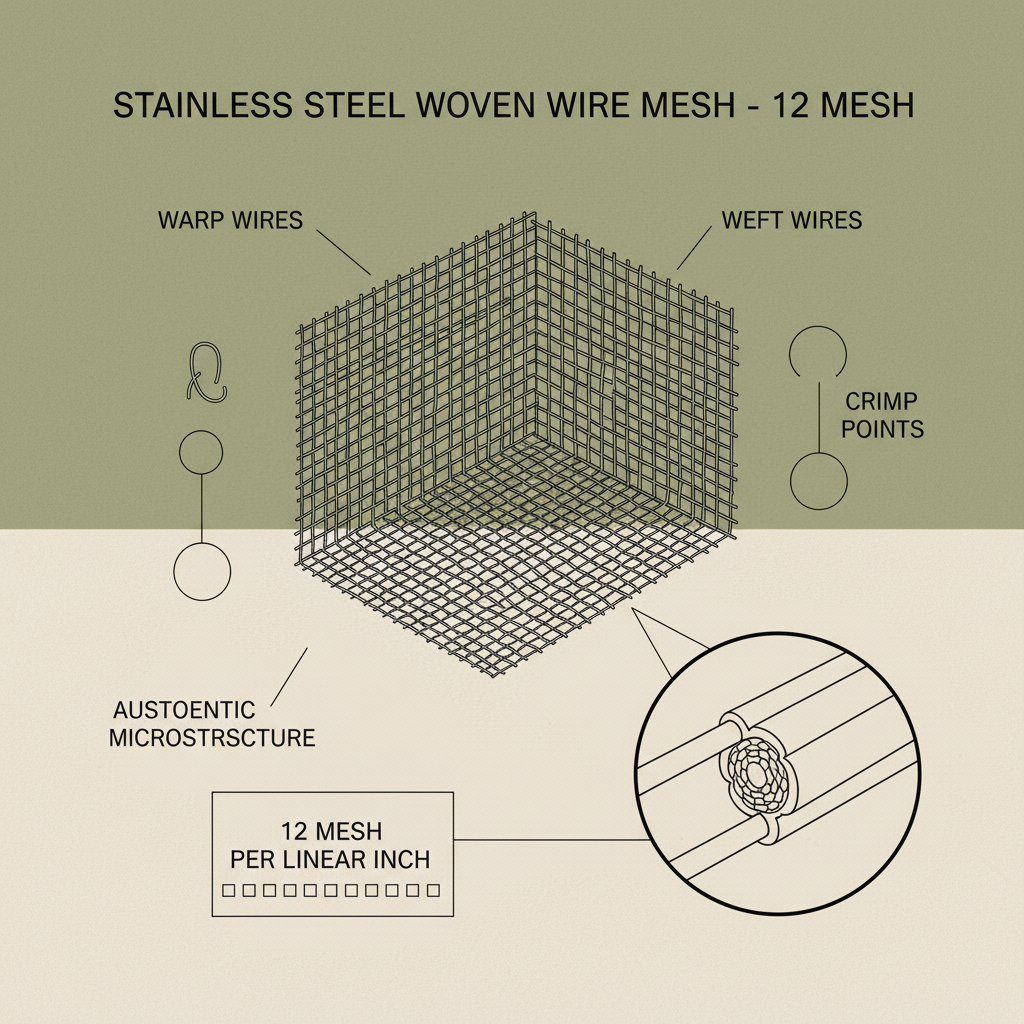
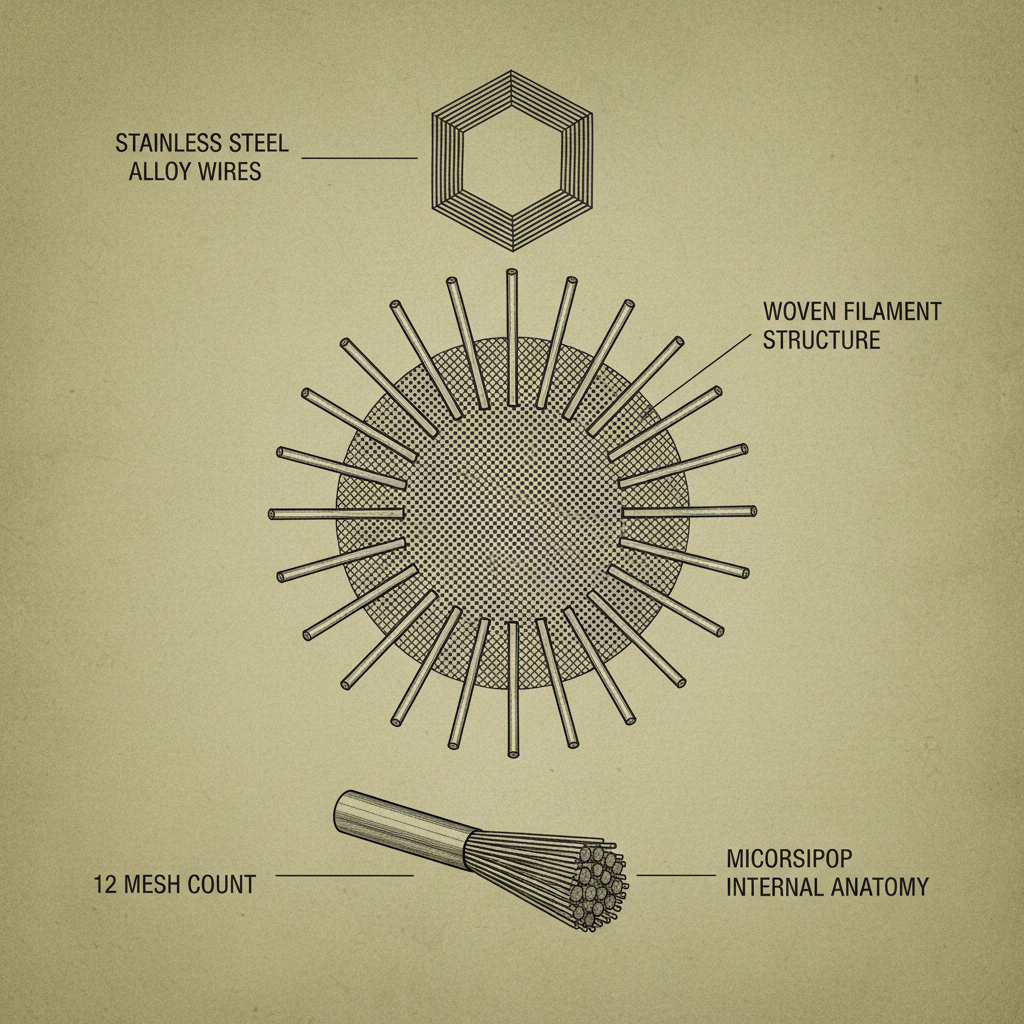
To be honest, the demand for 12 mesh stainless steel screen has exploded in the last couple of years. It’s not just the construction boom; it's the whole shift towards more sustainable and efficient building practices. Everyone’s looking for materials that are durable, corrosion-resistant, and can handle a beating.
I encountered a situation at a water treatment plant last time, they were using a cheaper carbon steel mesh. It rusted through in six months! Six months! Cost them a fortune in repairs and downtime. Stainless steel isn’t cheap, but it saves you money in the long run. Believe me.
In a really harsh marine environment – think constant saltwater exposure and barnacle growth – a good quality 316 stainless steel 12 mesh stainless steel screen can easily last 15-20 years with minimal maintenance. We’ve seen some installations even go longer, but it depends heavily on cleaning and occasional inspections. A lower grade like 304 will corrode much faster, maybe 5-7 years before needing replacement. Key is regular cleaning!
It can, but it’s not a magic bullet. The mesh itself doesn’t absorb much sound, but it can be used as a base for attaching sound-dampening materials. Think of it like a framework. The density and weave pattern of the mesh can influence how well those materials adhere and how effectively they work. It’s usually combined with acoustic foam or fabric for noticeable noise reduction. We've done some testing with different combinations, and tighter weaves tend to perform better.
TIG welding is generally the preferred method for joining 12 mesh stainless steel screen. It provides a clean, strong weld with minimal distortion. MIG welding can be used, but it’s more prone to splatter and requires more post-weld cleanup. Regardless of the technique, you need a qualified welder who understands the properties of stainless steel and uses the correct filler metal. Preheating the mesh slightly can also improve weld quality.
That really depends on the wire diameter and the grade of stainless steel. As a general rule, you want to avoid sharp bends. A minimum bending radius of at least 2.5 times the wire diameter is a good starting point. For thicker wire, you can get away with a tighter radius. But pushing it too far will weaken the mesh and make it more susceptible to cracking. It's always best to test a small section first.
Absolutely. Imported mesh, especially from China, is typically cheaper than domestically produced mesh. However, the quality can be inconsistent. You often get what you pay for. We've seen instances where imported mesh didn't meet the specified tensile strength or corrosion resistance requirements. It's worth paying a little extra for a reputable supplier who can guarantee the quality of their product. 12 mesh stainless steel screen needs to meet standards!
Regular cleaning is key, especially in corrosive environments. A simple wash with mild soap and water is usually sufficient. Avoid abrasive cleaners, as they can damage the surface and reduce corrosion resistance. For stubborn stains, you can use a stainless steel cleaner specifically designed for that purpose. Periodic inspection for signs of corrosion or damage is also important. Catching problems early can prevent them from escalating.
Look, at the end of the day, 12 mesh stainless steel screen is a pretty straightforward product. It’s not glamorous, but it’s essential. It provides strength, durability, and corrosion resistance in a wide range of applications. The key is to understand the material properties, choose the right grade, and work with a reputable supplier. It's about knowing your stuff and not cutting corners.
Ultimately, whether this thing works or not, the worker will know the moment he tightens the screw. If it bends, if it breaks, if it just doesn’t feel right… you’ve got a problem. And that’s what I’ve learned after all these years on the job site: it’s not about the fancy specs or the lab tests, it’s about what happens when it actually gets built.