

Talk to Us
+86 13633281999
Email Address
ada@xingxinwiremesh.comComprehensive Guide to Stainless Steel Sieve Mesh for Industrial Applications
Understanding Stainless Steel Sieve Mesh: A Comprehensive Guide
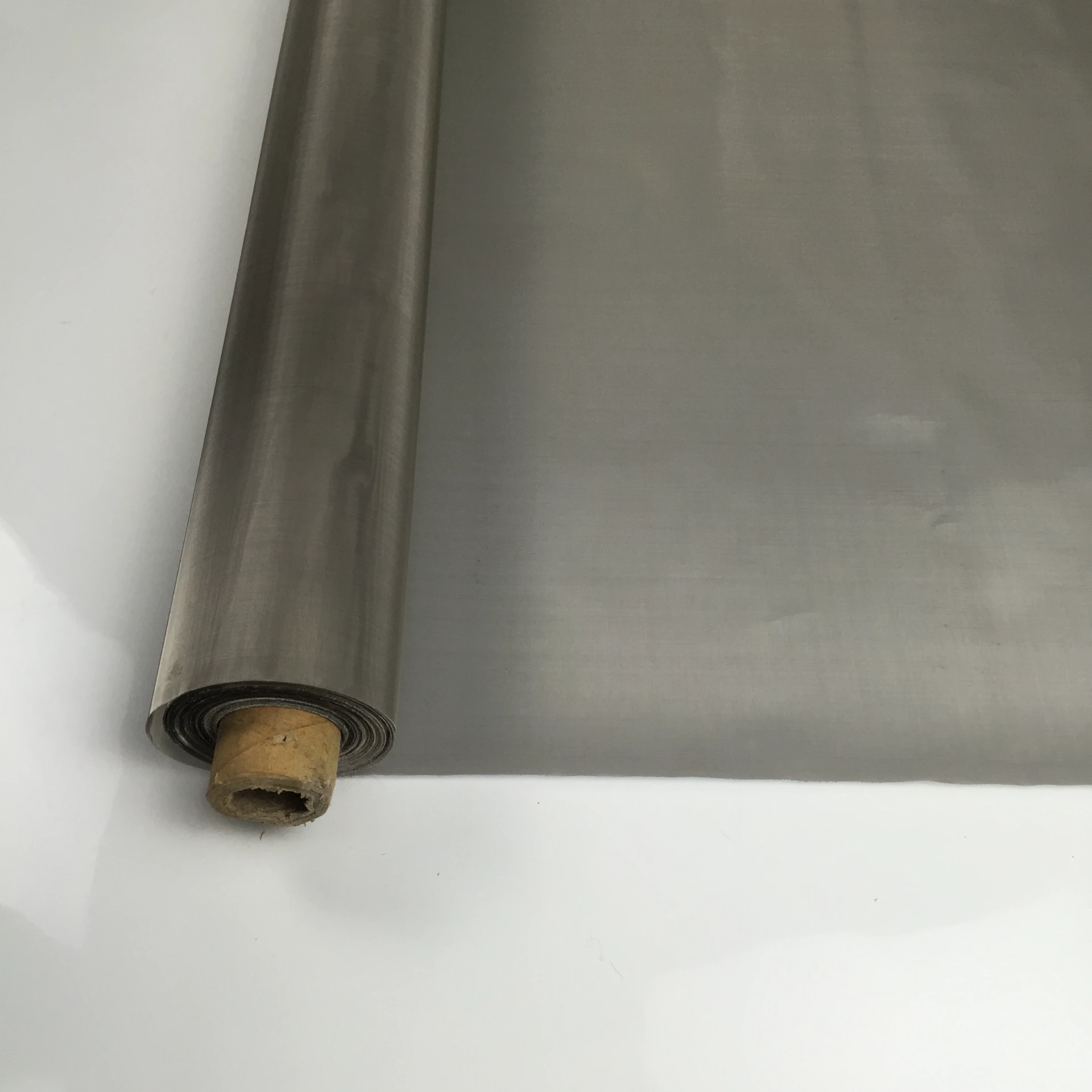
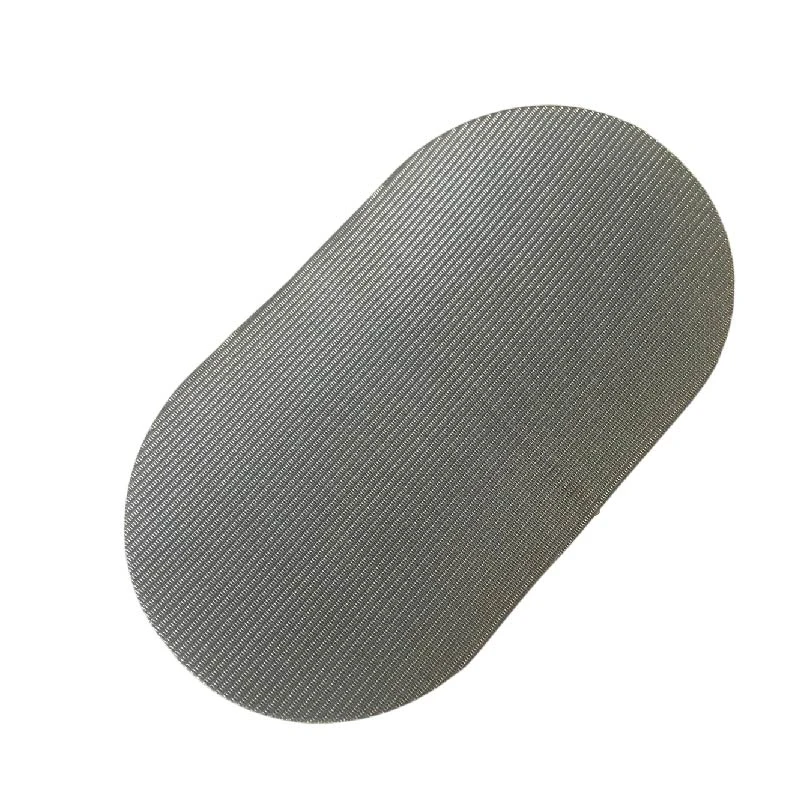
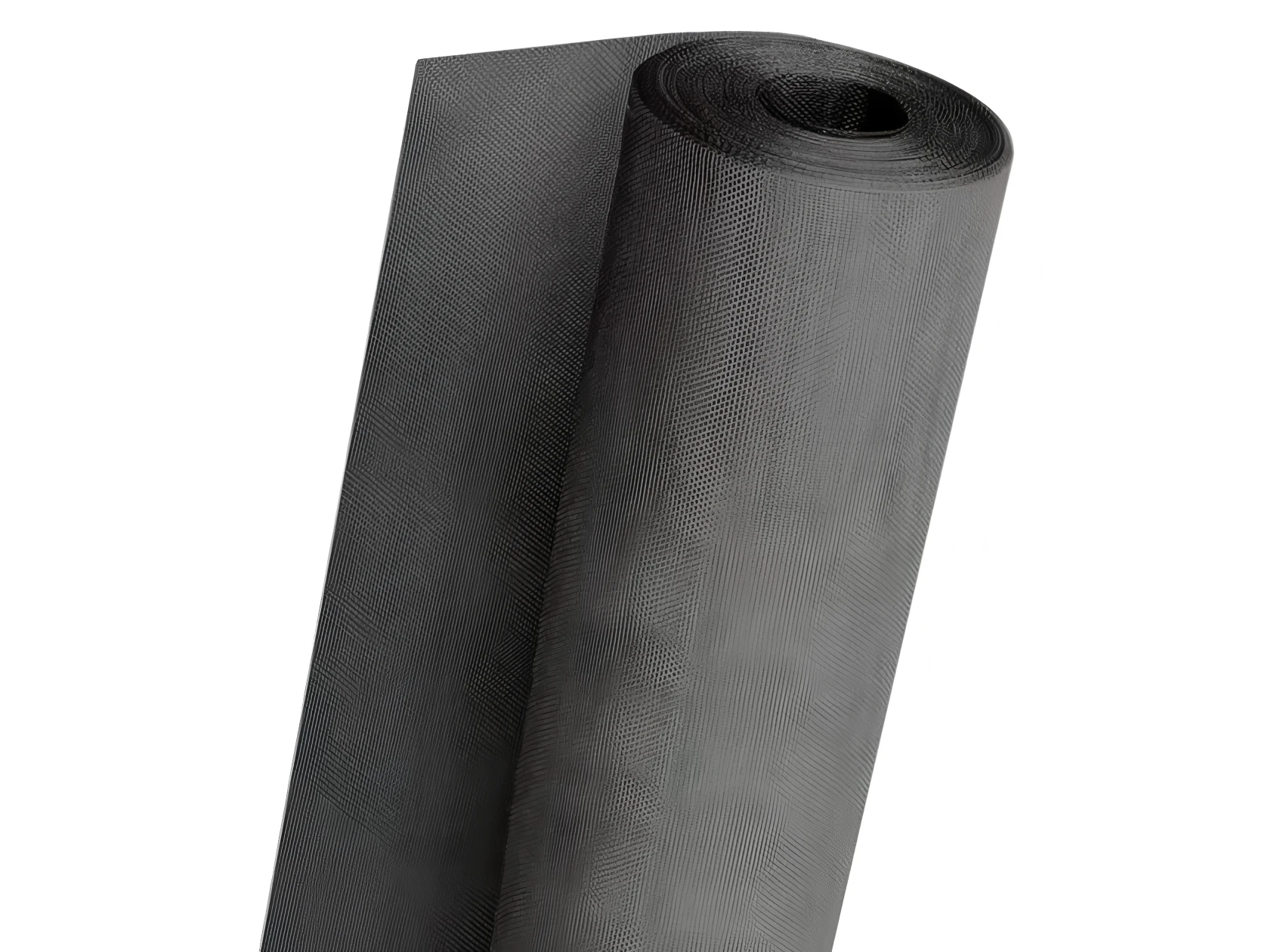
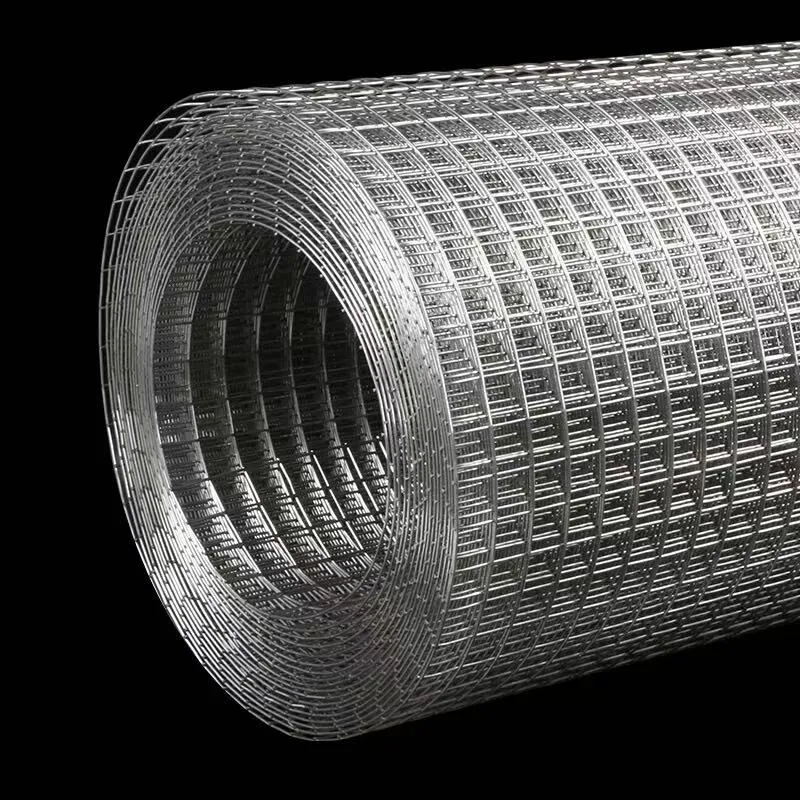
Stainless steel sieve mesh is a critical component in a vast array of industries, from food processing and pharmaceuticals to chemical separation and aggregate testing. Its durability, resistance to corrosion, and precise aperture sizes make it an indispensable material for ensuring product quality, consistency, and safety. This article provides an in-depth exploration of stainless steel sieve mesh, covering its types, applications, factors to consider when choosing, and benefits. Explore our range of high-quality stainless steel sieve mesh options today!
Types of Stainless Steel Sieve Mesh
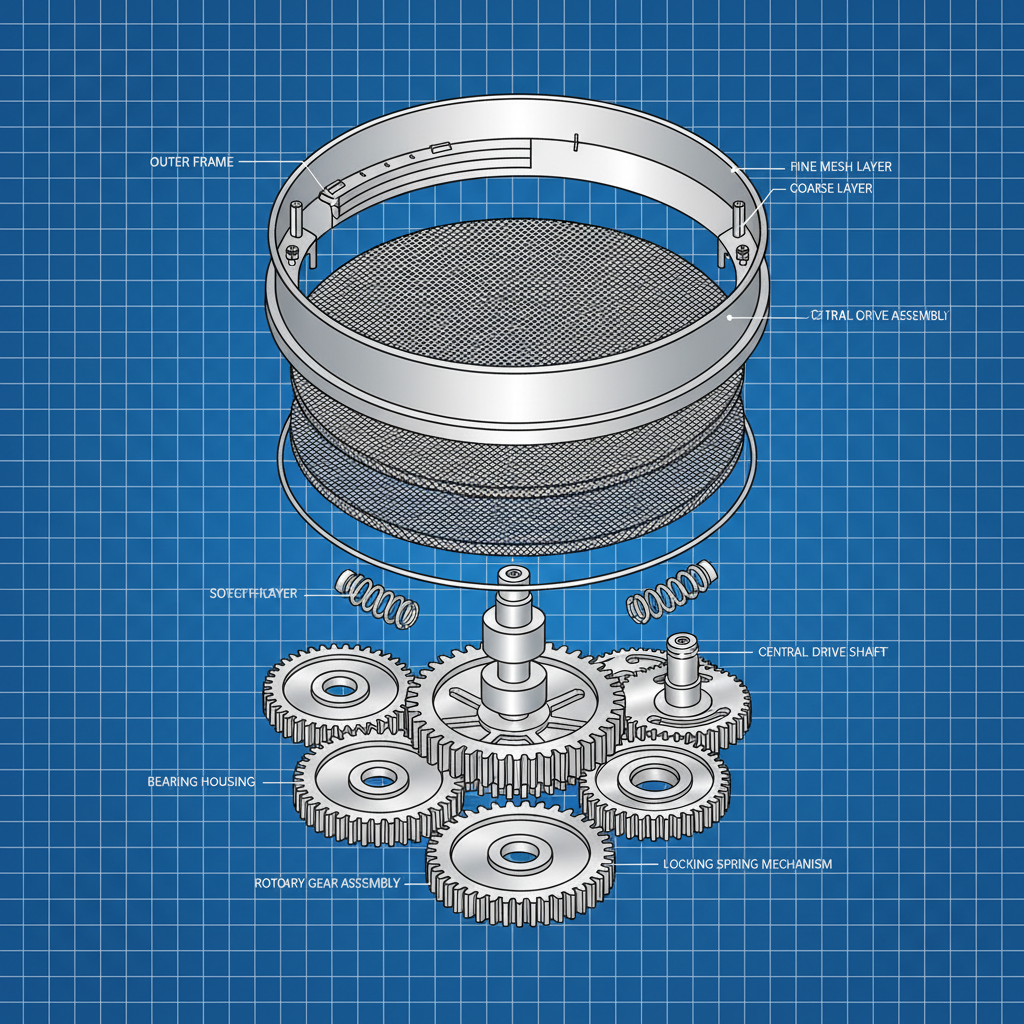
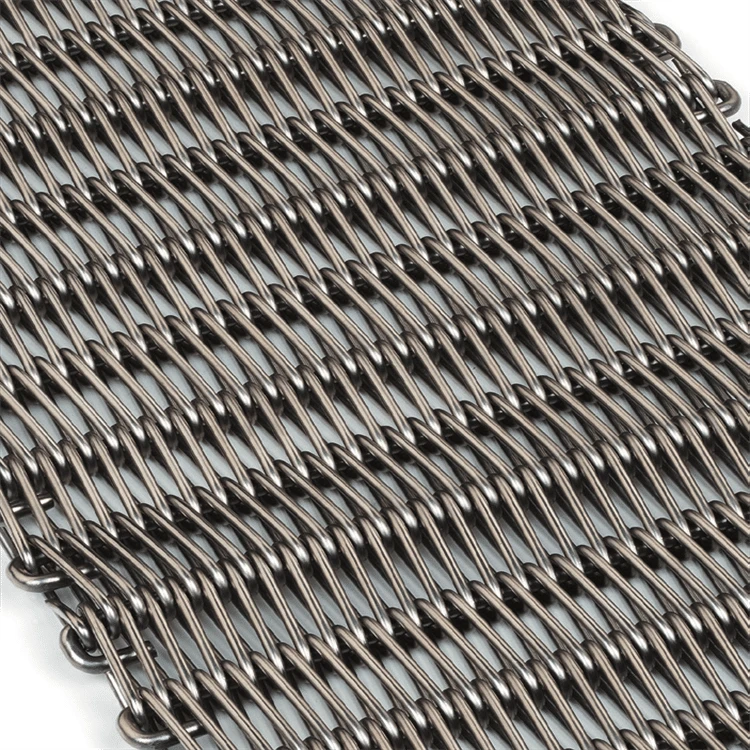
Stainless steel sieve mesh isn’t a one-size-fits-all product. Different grades and weaving patterns cater to specific needs. Common types include 304 and 316 stainless steel. 304 offers excellent corrosion resistance in many applications, while 316 contains molybdenum, providing superior resistance to chlorides and other harsh chemicals. Weaving patterns such as plain weave, twill weave, and Dutch weave affect the mesh’s openness, strength, and filtration efficiency. The selection of the proper material and weave is crucial for optimal performance.
Key Highlights: Different grades (304, 316) and weaving patterns (plain, twill, Dutch) dictate the mesh’s properties, impacting its suitability for various applications.
Applications of Stainless Steel Sieve Mesh
The versatility of stainless steel sieve mesh allows it to be utilized across numerous sectors. In the food industry, it's used for grading, sorting, and separating ingredients. Pharmaceutical companies rely on it for precise powder classification and drug manufacturing. Chemical processing benefits from its resistance to corrosive substances. The construction industry employs it for aggregate grading and soil analysis. Its applications are continuously expanding as new technologies emerge.
Key Application Areas:
• Food Processing & Grading
• Pharmaceutical Powder Classification
• Chemical Separation & Filtration
• Aggregate Testing & Soil Analysis
Choosing the Right Stainless Steel Sieve Mesh: Key Considerations
Selecting the optimal stainless steel sieve mesh requires careful consideration of several factors. The particle size being separated, the material’s viscosity, and the operating temperature are all important. Furthermore, the corrosive nature of the substances involved should dictate the stainless steel grade selected (304 or 316). The required mesh opening, measured in microns or mesh count, needs to be precisely determined to achieve the desired separation efficiency. Considering these factors ensures optimal performance and longevity.
The Benefits of Using Stainless Steel Sieve Mesh
Compared to other materials, stainless steel sieve mesh offers several distinct advantages. Its exceptional corrosion resistance ensures longevity and reduces replacement costs. Its high tensile strength provides durability, even under demanding conditions. Stainless steel is also hygienic and easy to clean, making it ideal for food and pharmaceutical applications. Moreover, it maintains its structural integrity at a wide range of temperatures. These benefits contribute to increased efficiency and reduced maintenance.
Stainless Steel Sieve Mesh: Specifications & Standards
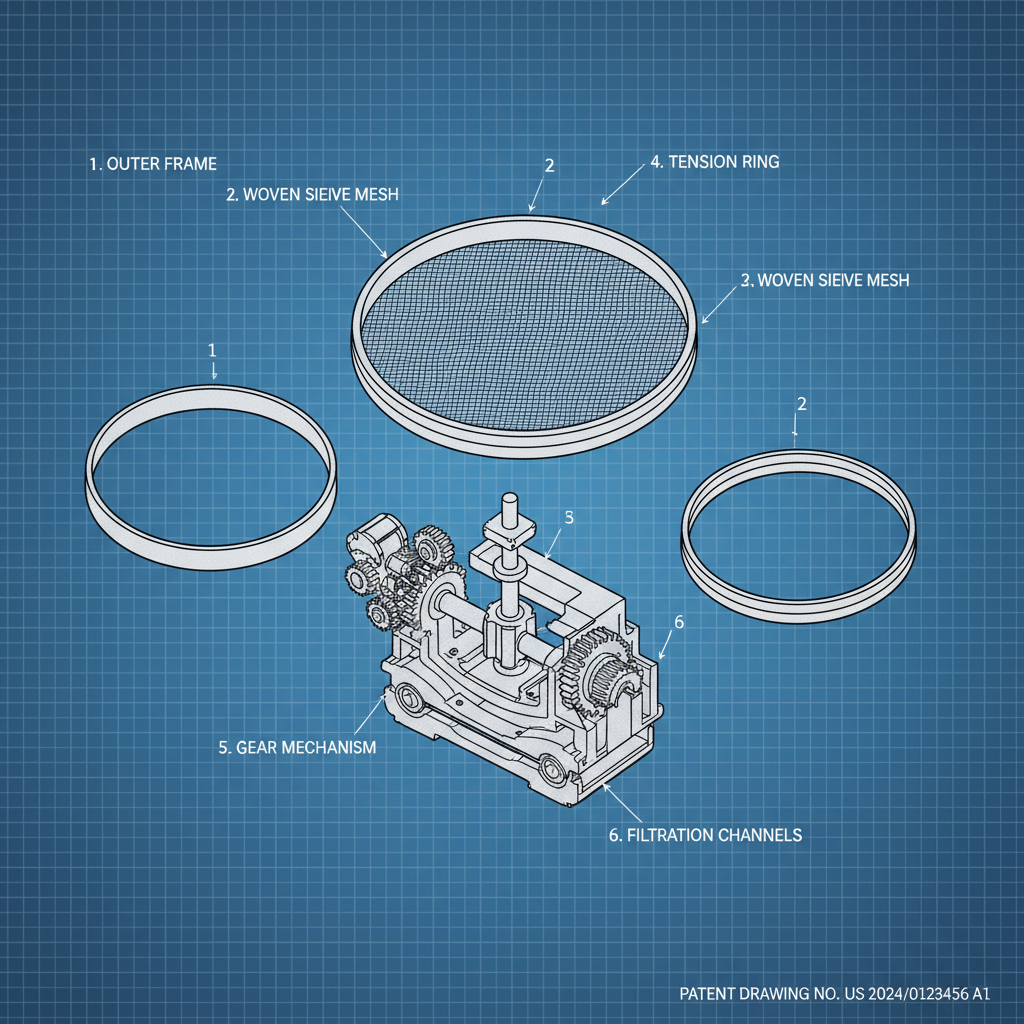
Stainless steel sieve mesh typically conforms to industry standards such as ASTM E11 for testing sieve cloth. Key specifications include wire diameter, mesh opening size (aperture), and weave type. Mesh count is expressed as the number of openings per linear inch. It's essential to verify that the mesh meets the required standards for your specific application.
Conclusion: Choosing the Right Stainless Steel Sieve Mesh for Your Needs
Selecting the correct stainless steel sieve mesh is a critical step in ensuring the success of numerous industrial processes. By carefully considering the factors outlined in this guide – material grade, weave pattern, mesh opening size, and application-specific requirements – you can optimize performance, enhance product quality, and minimize operational costs. We at Xingxin Wire Mesh are dedicated to providing high-quality sieve mesh solutions tailored to your specific needs.
Frequently Asked Questions (FAQs)
What is the difference between 304 and 316 stainless steel mesh?
The key difference lies in their corrosion resistance. 304 stainless steel offers excellent resistance to general corrosion, making it suitable for many applications. However, 316 stainless steel contains molybdenum, which significantly enhances its resistance to chloride corrosion, pitting, and crevice corrosion. This makes 316 ideal for marine environments, chemical processing, and applications involving exposure to salt or harsh chemicals. 316 is typically more expensive than 304 but offers superior durability in corrosive settings.
How do I determine the correct mesh opening size for my application?
Determining the correct mesh opening size requires understanding the particle size distribution of the material you are separating. The mesh opening should be slightly larger than the particles you want to pass through and smaller than those you want to retain. It's often helpful to perform a sieve analysis, which involves using a series of sieves with progressively smaller openings to determine the particle size distribution. Consulting with a mesh specialist can also provide valuable guidance.
Can stainless steel sieve mesh be cleaned and reused?
Yes, stainless steel sieve mesh is durable and can be cleaned and reused multiple times. Depending on the material being screened, cleaning methods can include brushing, washing with mild detergents, ultrasonic cleaning, or even autoclaving. It's important to avoid abrasive cleaning agents or methods that could damage the mesh. Regular cleaning helps maintain the mesh's accuracy and prevents clogging.
What are the common weaving patterns and their advantages?
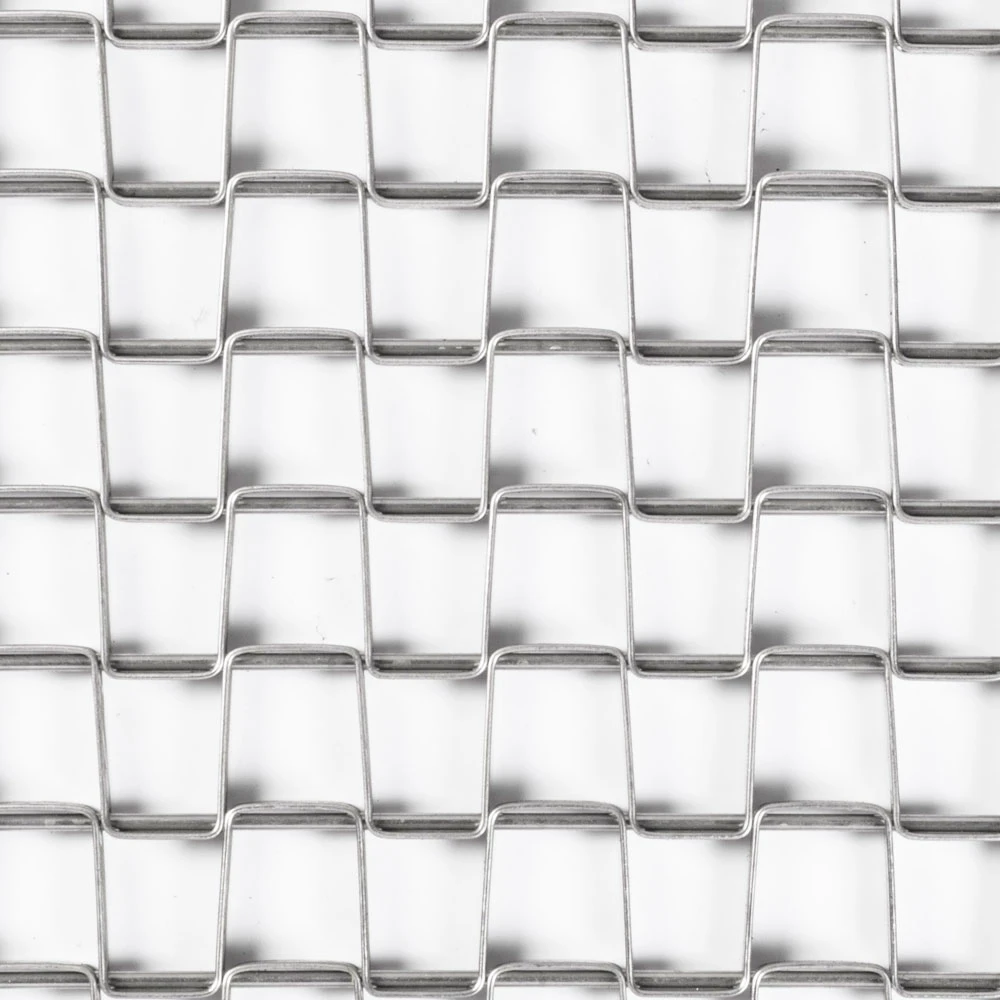
Plain weave is the most common and cost-effective, offering good strength and stability. Twill weave provides a denser mesh with higher filtration efficiency, but can be more expensive. Dutch weave features alternating warp and weft wires, creating a mesh with high permeability and excellent load-bearing capacity, ideal for filtration of sticky or fibrous materials. The best choice depends on your specific application requirements.
-
-
-
-
-
-
-
-
-
-
-
-
-
-
-
-