

Talk to Us
+86 13633281999
Email Address
ada@xingxinwiremesh.comComprehensive Guide to Durable Screen Mesh Stainless Steel Applications
Understanding Screen Mesh Stainless Steel: A Comprehensive Guide
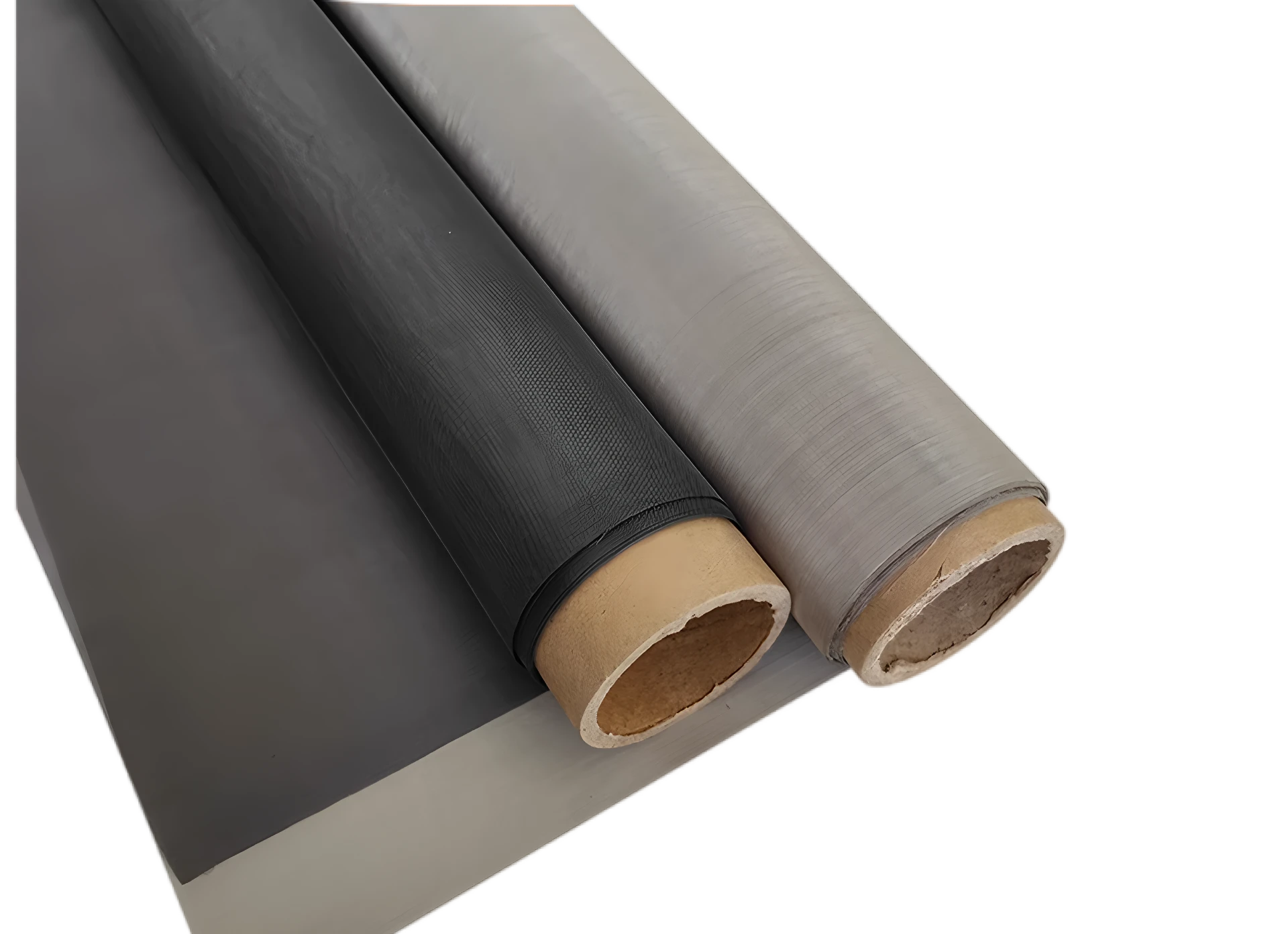
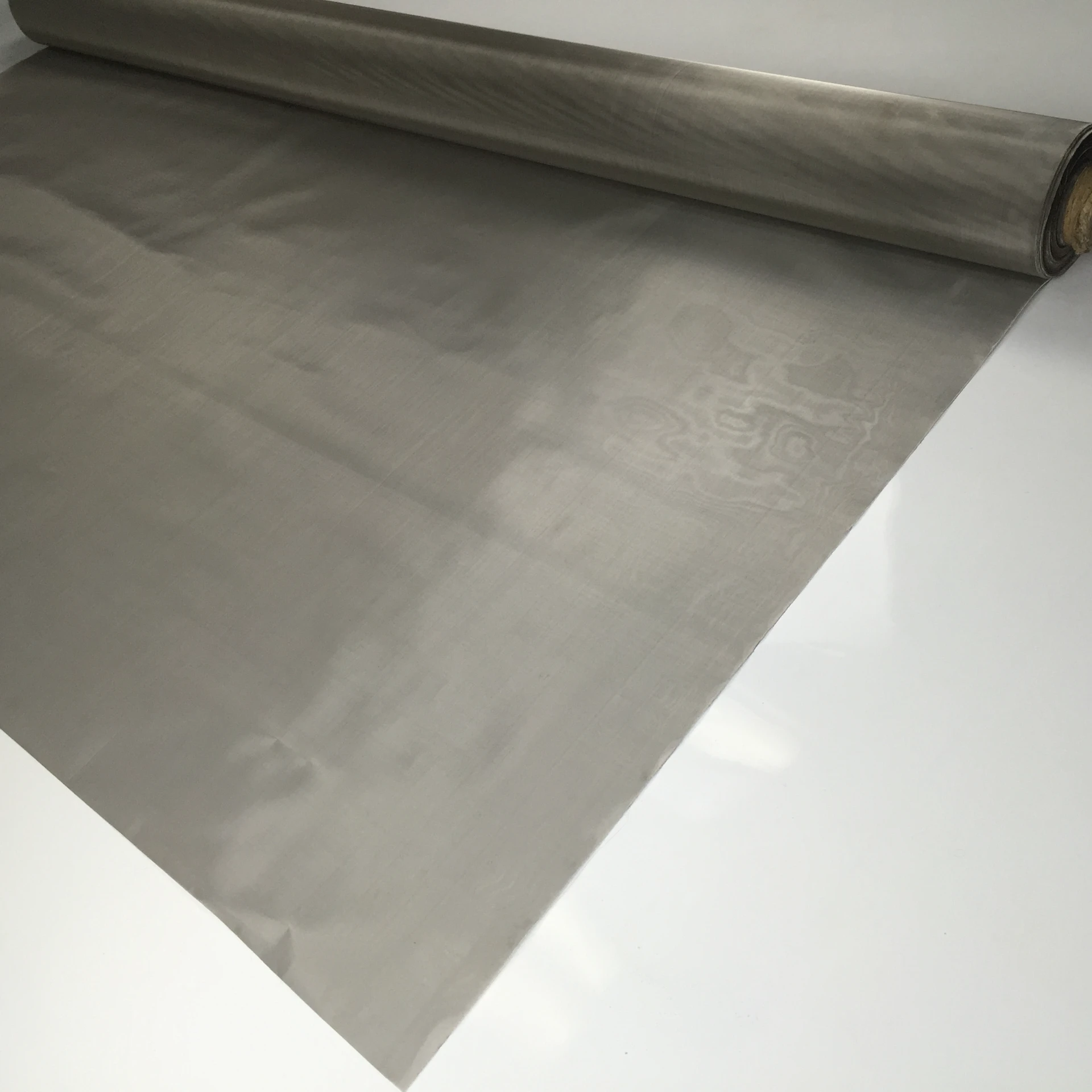
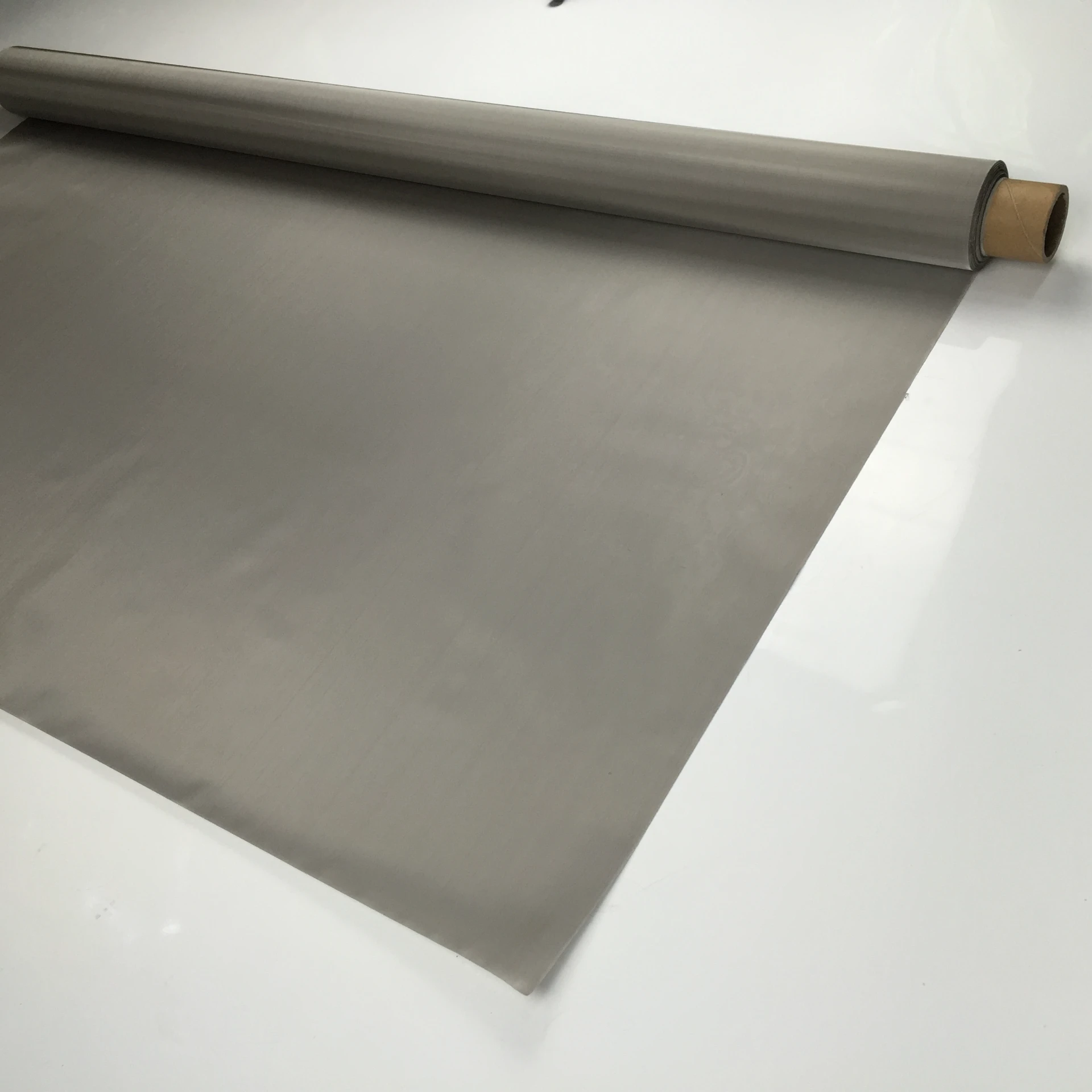
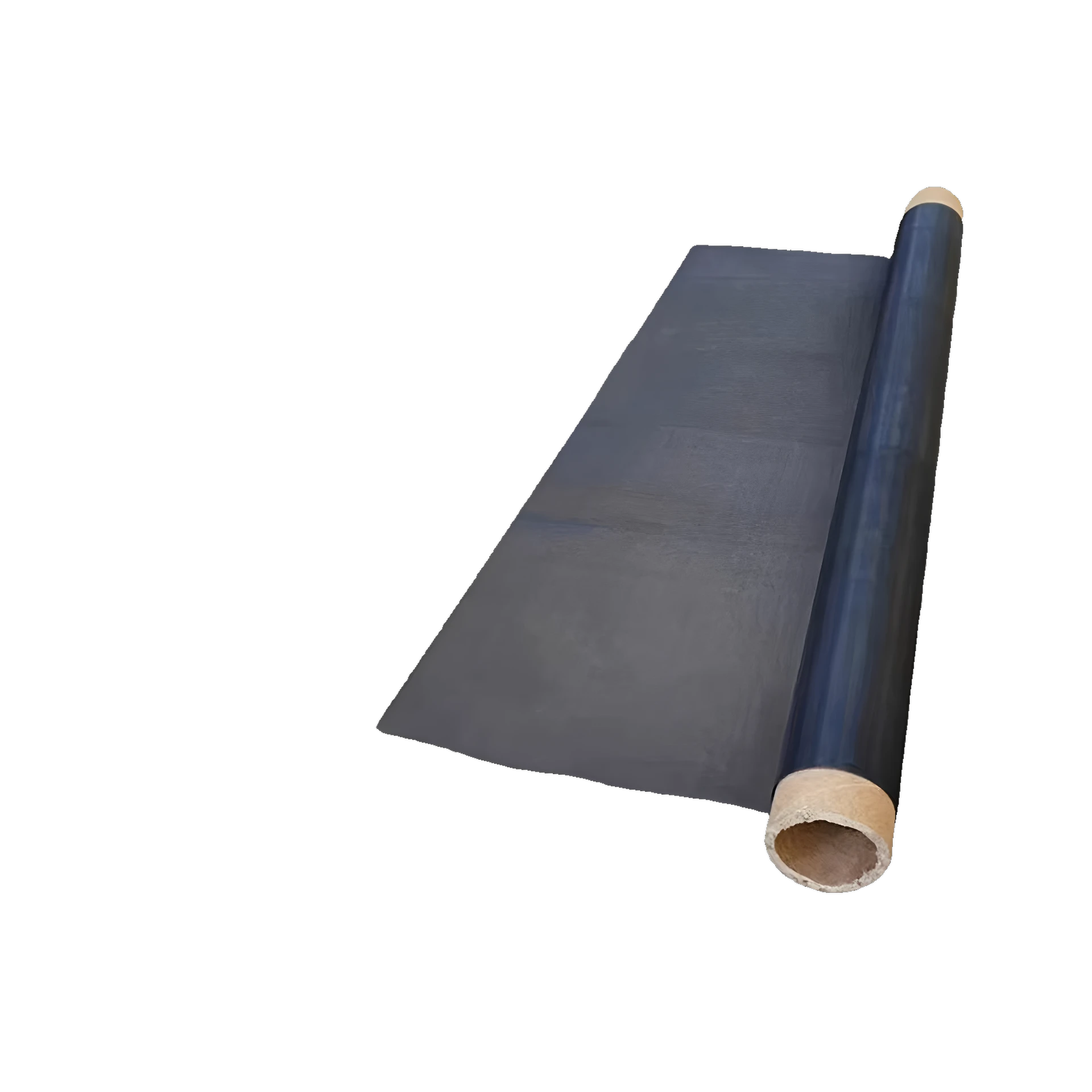
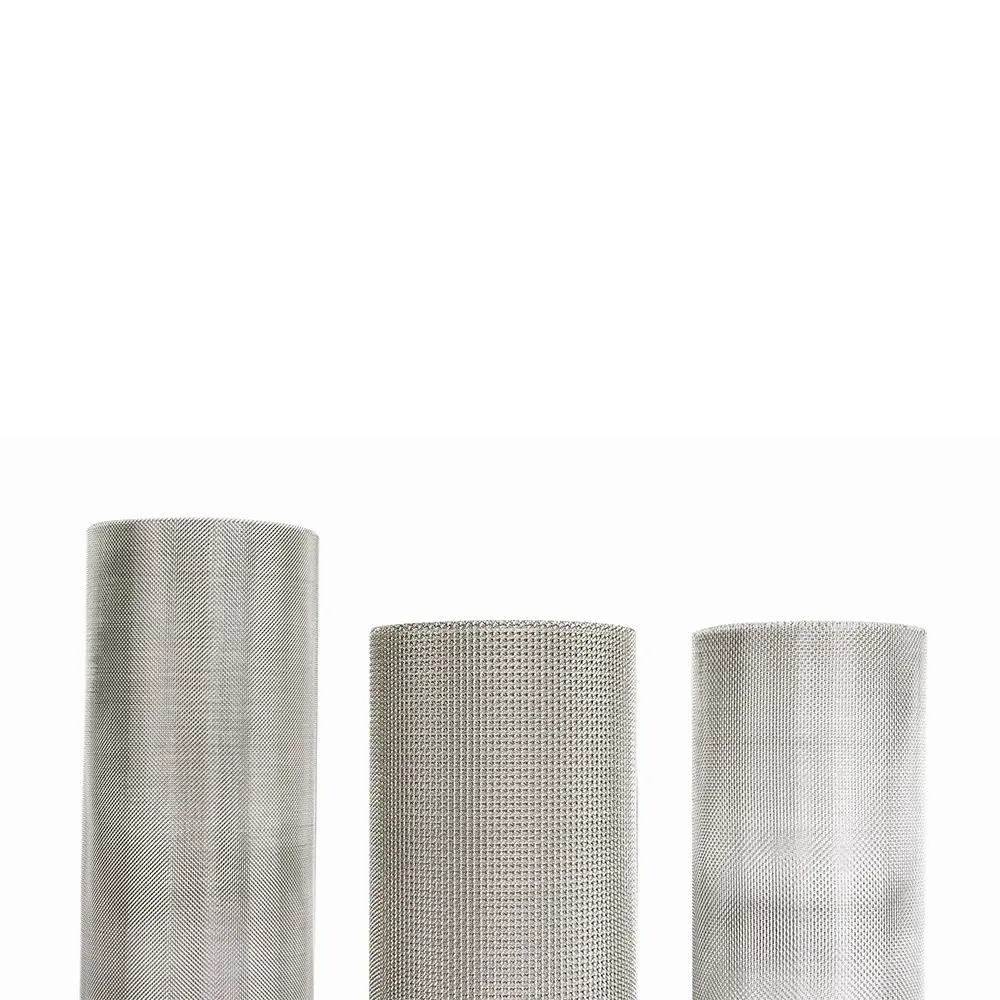
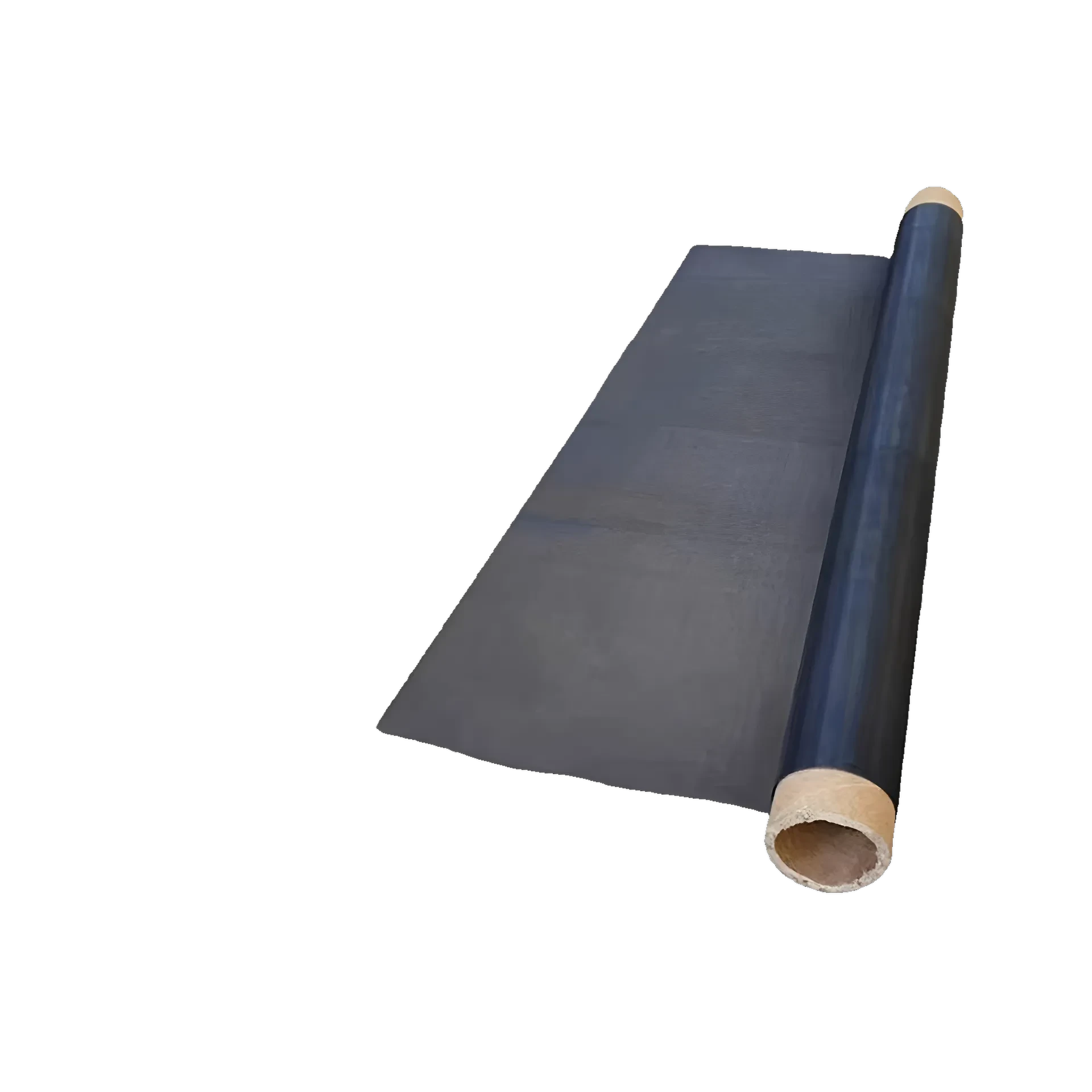
Screen mesh stainless steel is a versatile material utilized across a vast range of industries, from filtration and security to architectural and agricultural applications. Its inherent properties – durability, corrosion resistance, and varying degrees of permeability – make it a superior choice over many alternatives. This article will delve into the specifics of stainless steel screen mesh, exploring its types, applications, benefits, and key considerations when selecting the right mesh for your needs. Choosing the correct mesh is crucial for optimal performance and longevity in your specific application.
Types of Stainless Steel Used in Screen Mesh
Not all stainless steel is created equal. Different grades offer varying levels of corrosion resistance, strength, and weldability. The most common grades used for screen mesh include 304, 316, and 430. 304 stainless steel is a general-purpose grade known for its excellent corrosion resistance and affordability. 316 stainless steel contains molybdenum, providing superior resistance to chlorides and other corrosive elements, making it ideal for marine environments. 430 stainless steel offers good corrosion resistance and is often used in decorative applications due to its polished appearance. The selection of the appropriate grade is critical for ensuring the mesh performs reliably in its intended environment. You can find detailed specifications for each grade at Xingxin Wire Mesh.
Key Takeaway: Selecting the correct stainless steel grade based on the environment and application is crucial for maximizing the lifespan and performance of the screen mesh.
Weaving Patterns and Mesh Count: Understanding the Specifications
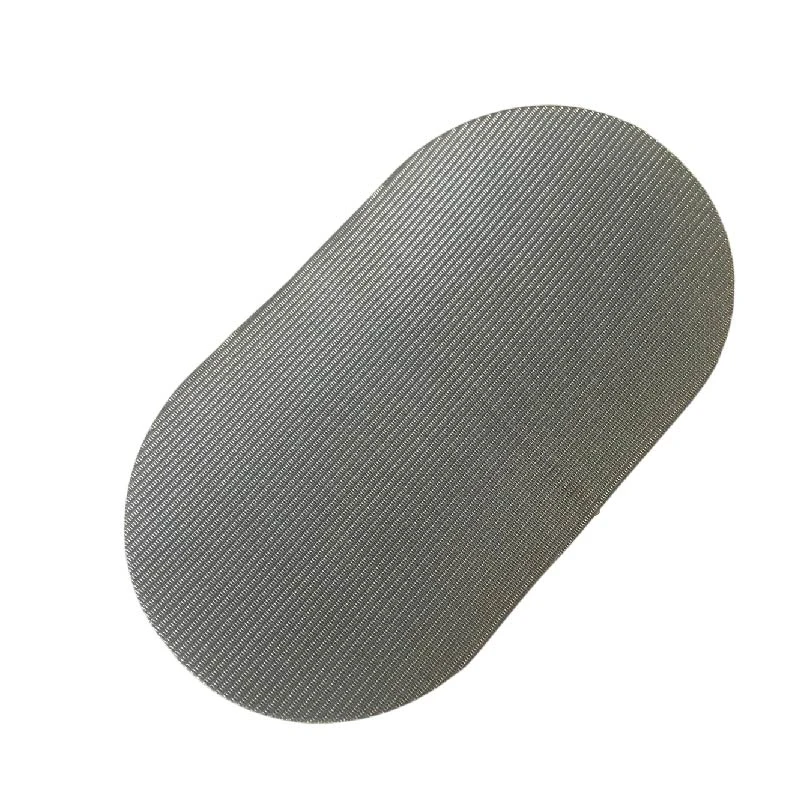
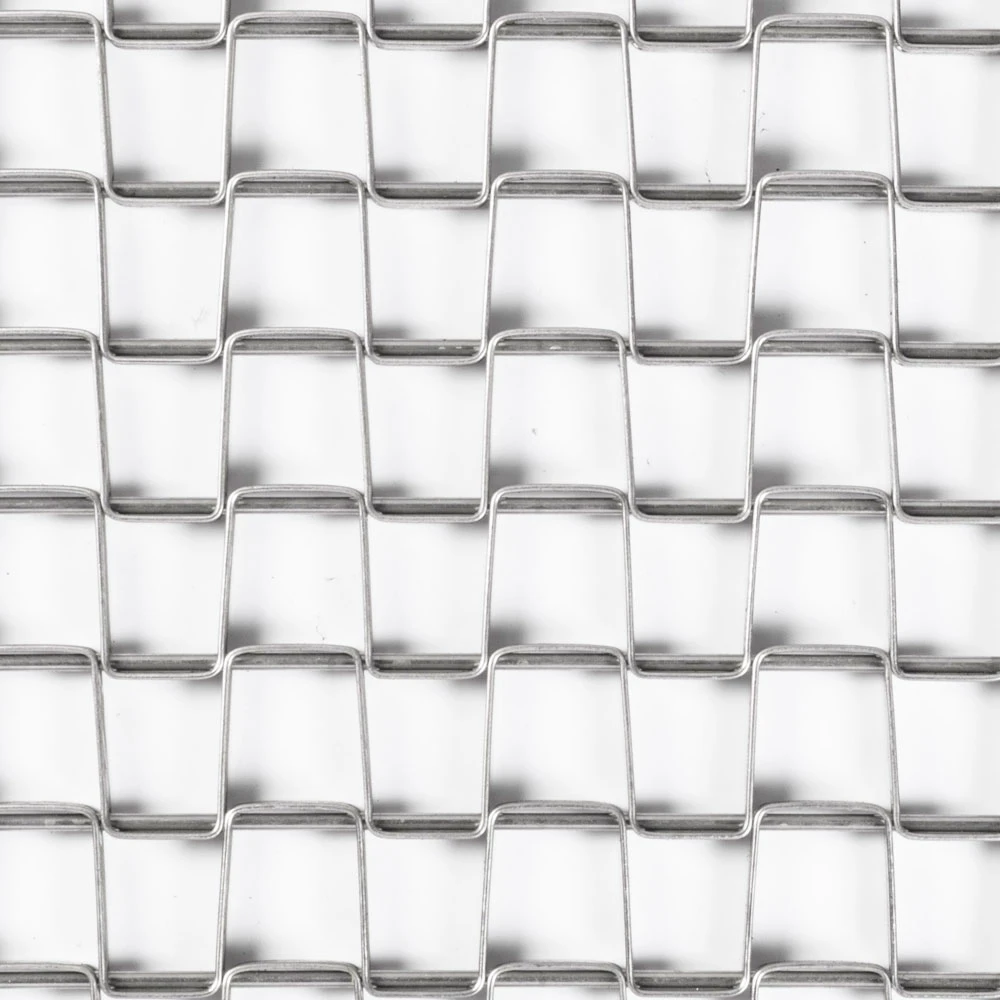
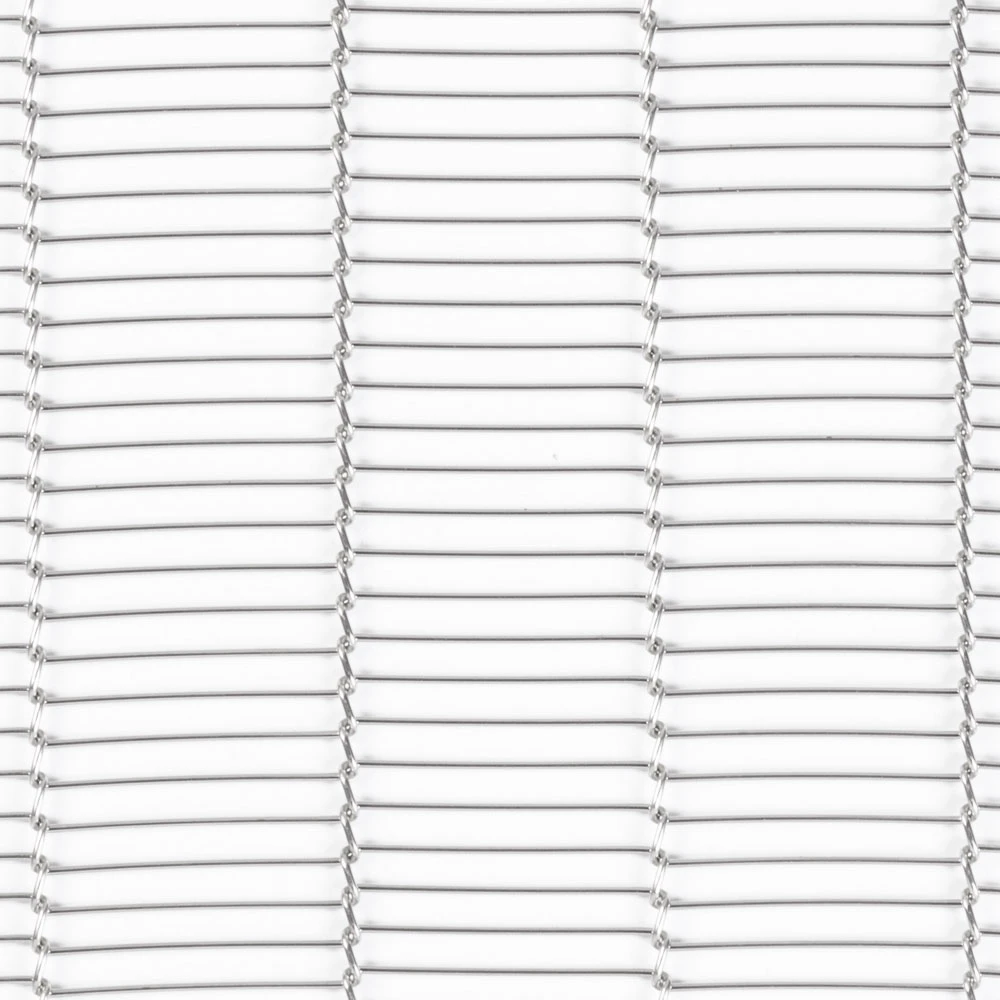
The functionality of screen mesh is heavily influenced by its weaving pattern and mesh count. Common weaving patterns include plain weave, twill weave, and dutch weave. Plain weave is the most common and offers a balanced structure. Twill weave provides a denser, more robust mesh, suitable for filtration of finer particles. Dutch weave features alternating warp and weft wires, creating a mesh with high permeability and strength. Mesh count, expressed as the number of openings per inch, determines the size of the openings and the level of filtration. A higher mesh count means smaller openings. Selecting the appropriate weave and mesh count depends on the specific requirements of the application.
Key Considerations: Weave pattern impacts the strength and permeability, while mesh count determines the size of the openings.
Applications of Stainless Steel Screen Mesh
The versatility of stainless steel screen mesh leads to a wide array of applications. In the food and beverage industry, it’s used for filtering liquids and powders. In the pharmaceutical sector, it's vital for ensuring product purity. Security applications benefit from its strength and resistance to cutting. Additionally, it finds use in architectural designs as insect screens and decorative elements, and in agriculture for animal containment and crop protection. Its robust nature makes it ideal for demanding environments.
Stainless Steel Screen Mesh vs. Other Materials: A Comparative Analysis
When comparing stainless steel screen mesh to other materials like galvanized steel or plastic, its superior corrosion resistance and durability become apparent. Galvanized steel is susceptible to rust over time, especially in harsh environments. Plastic meshes lack the strength and temperature resistance of stainless steel. While cheaper upfront, these alternatives often require more frequent replacement, leading to higher long-term costs. Stainless steel offers a longer service life and consistent performance, making it a cost-effective choice in the long run.
Factors to Consider When Choosing Screen Mesh Stainless Steel
Selecting the optimal stainless steel screen mesh requires careful consideration of several factors. These include the application environment (corrosive or non-corrosive), the size and type of particles being filtered or separated, the required flow rate, and the desired level of strength and durability. Consulting with a specialist, such as those at Xingxin Wire Mesh, can help you identify the best mesh for your specific needs. Proper planning will ensure you obtain a solution that delivers optimal performance and longevity.
Conclusion: Investing in Quality and Reliability
Investing in high-quality stainless steel screen mesh from a reputable supplier like Xingxin Wire Mesh is a smart decision that offers long-term value and performance. By understanding the different types, weaving patterns, and applications, you can choose the right mesh to meet your specific needs and ensure optimal results. Don’t compromise on quality – choose stainless steel screen mesh for durability, corrosion resistance, and reliability.
Frequently Asked Questions (FAQs)
What is the typical lifespan of stainless steel screen mesh?
The lifespan of stainless steel screen mesh depends heavily on the operating environment and the grade of stainless steel used. With proper care and maintenance, it can easily last 10-20 years, or even longer in non-corrosive conditions. Regular cleaning to remove debris and prevent clogging is crucial. In harsh environments, more frequent inspections are recommended to identify potential corrosion or damage. Selecting the appropriate grade (316 for corrosive environments) significantly extends lifespan. Xingxin Wire Mesh provides detailed guidance on the best grade for your specific application.
Can stainless steel screen mesh be cut to custom sizes?
Yes, stainless steel screen mesh can be readily cut to custom sizes using appropriate tools such as metal shears or wire cutters. However, it’s important to use tools designed for stainless steel to avoid fraying or damaging the mesh. Xingxin Wire Mesh offers custom cutting services to ensure precise dimensions and clean edges, minimizing the need for on-site fabrication. This service can save you time and effort and guarantee a professional finish.
How do I clean stainless steel screen mesh effectively?
Regular cleaning is essential for maintaining the performance of stainless steel screen mesh. A mild detergent and warm water are typically sufficient for removing most debris. Avoid using abrasive cleaners or harsh chemicals, as these can damage the surface and reduce corrosion resistance. For stubborn residues, a specialized stainless steel cleaner may be used, following the manufacturer’s instructions. Rinse thoroughly with clean water and allow to air dry.
-
-
-
-
-
-
-
-
-
-
-
-
-
-
-
-