

Talk to Us
+86 13633281999
Email Address
ada@xingxinwiremesh.comComprehensive Guide to SS 316 Wire Mesh Price and Industrial Applications
Understanding SS 316 Wire Mesh Price and Applications
When sourcing materials for industrial applications, particularly in corrosive environments, the price and quality of SS 316 wire mesh are critical considerations. This article will provide a comprehensive overview of factors influencing the price of SS 316 wire mesh, its key applications, and how to ensure you’re getting the best value. Understanding these aspects will empower you to make informed purchasing decisions. Choosing the right mesh is crucial for longevity and efficiency.

What is SS 316 Wire Mesh?
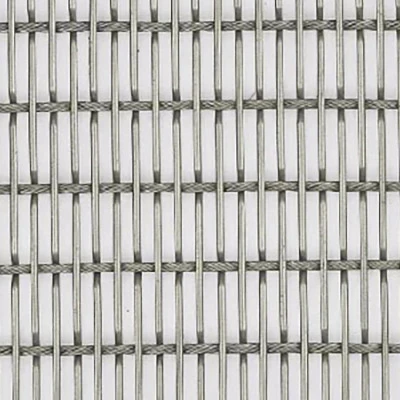
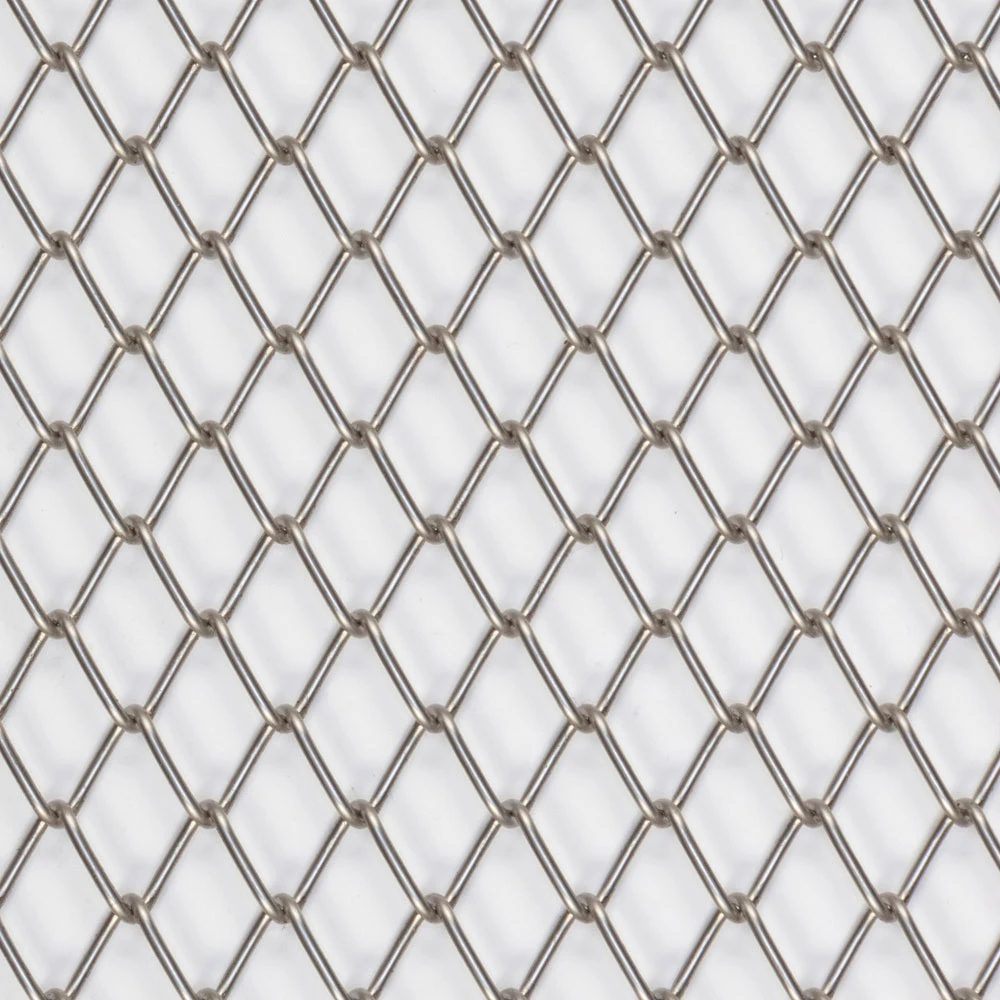
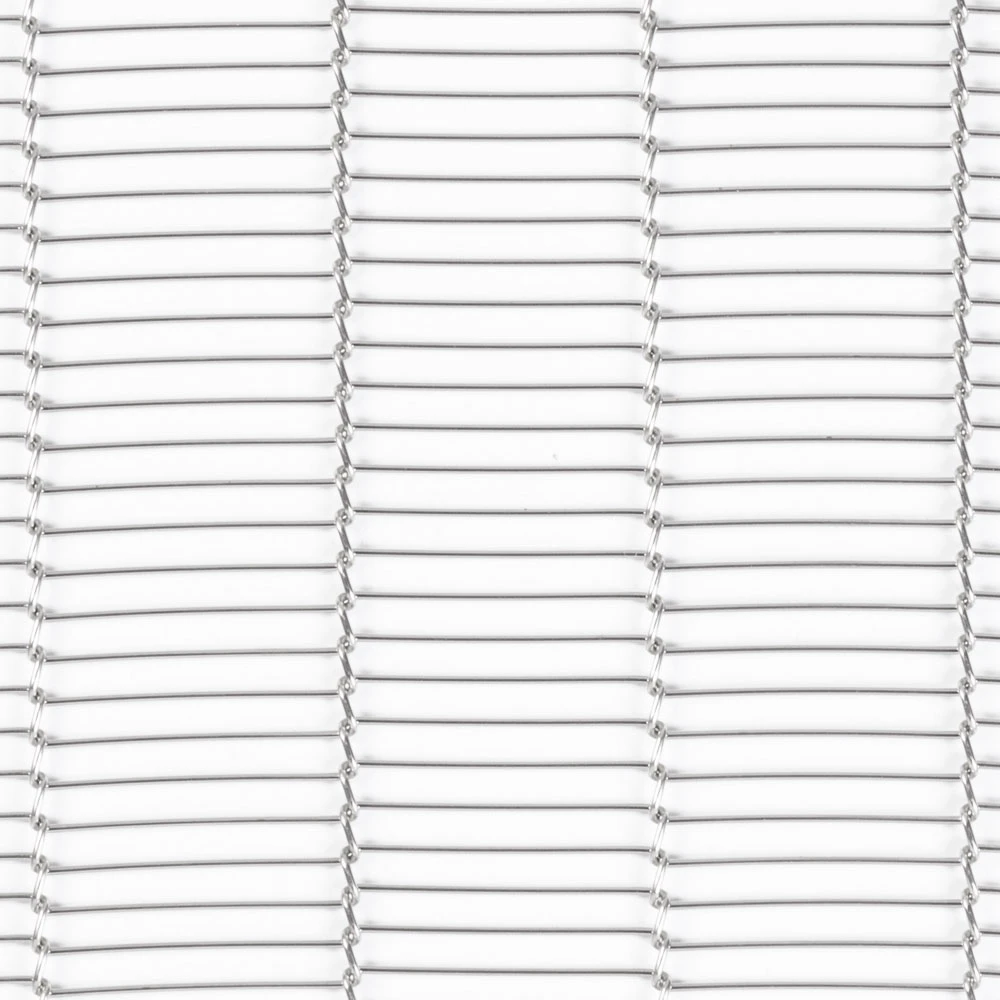
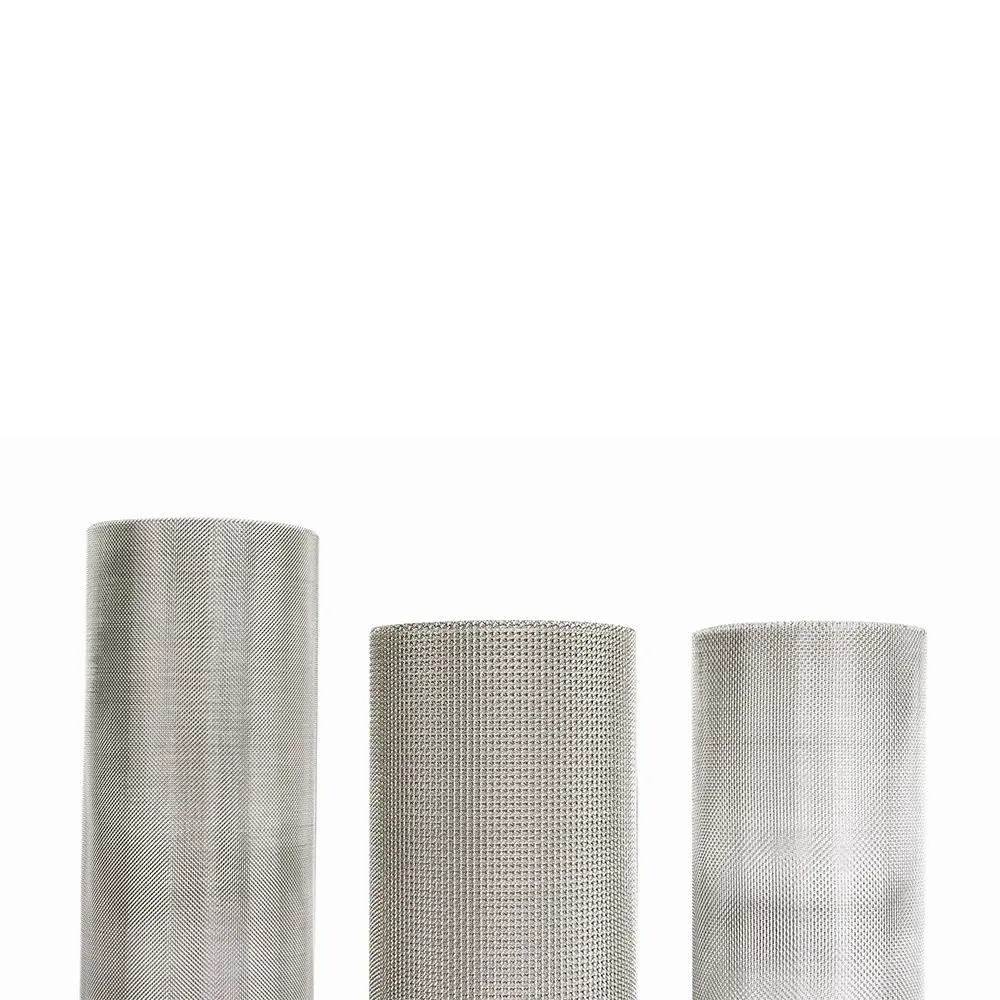
SS 316 wire mesh is a woven or welded mesh made from stainless steel 316 alloy. This alloy contains molybdenum, which significantly enhances its corrosion resistance, particularly against chlorides and other harsh chemicals. This makes it ideal for marine environments, chemical processing, and food and beverage industries. The mesh comes in various weaves, including plain weave, twill weave, and dutch weave, each offering different properties. Its robustness and resilience ensure long-term performance and reliability. Xingxin Wire Mesh specializes in producing high-quality SS 316 wire mesh to meet diverse industrial needs.
Key Benefits of SS 316: Enhanced corrosion resistance, high tensile strength, durability, and suitability for high-temperature applications.
Factors Influencing SS 316 Wire Mesh Price
Several factors contribute to the price of SS 316 wire mesh. These include the mesh count (number of wires per inch), wire diameter, weave type, mesh width and length, and the quantity ordered. Higher mesh counts and finer wire diameters generally increase the price due to the increased manufacturing complexity. Larger orders often qualify for volume discounts. The cost of raw materials, particularly molybdenum, also plays a significant role. Supplier location and shipping costs will also impact the final price. Contacting a reputable supplier like Xingxin Wire Mesh can help you obtain a competitive quote tailored to your specific requirements.
Price Influencers:
• Mesh Count
• Wire Diameter
• Weave Type
• Order Quantity
• Raw Material Costs
SS 316 Wire Mesh Price Comparison
The price of SS 316 wire mesh can vary significantly between suppliers. Below is a general price range comparison based on common specifications. These prices are approximate and subject to change based on market conditions and specific order requirements.
Applications of SS 316 Wire Mesh
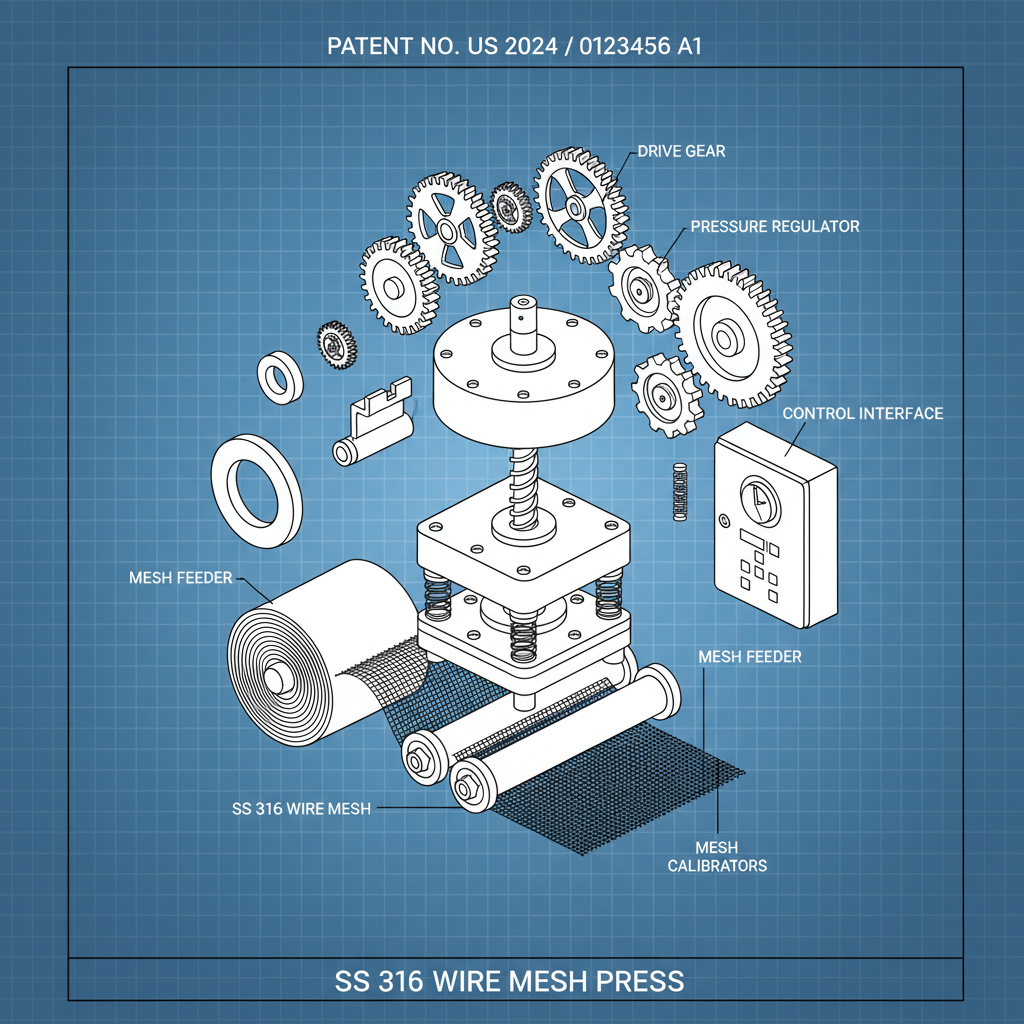
SS 316 wire mesh finds widespread use in numerous industries. Common applications include: filtration in chemical processing plants, screens in marine environments to prevent biofouling, food processing equipment where hygiene is paramount, architectural applications for security and aesthetic appeal, and as a component in various industrial filters. Its resistance to corrosion ensures longevity and reduces maintenance costs.
Choosing the Right Supplier for SS 316 Wire Mesh
Selecting a reliable supplier is crucial for ensuring you receive high-quality SS 316 wire mesh at a competitive price. Look for suppliers with a proven track record, certifications (like ISO 9001), and the ability to meet your specific requirements. Consider factors like lead times, shipping options, and customer support. Xingxin Wire Mesh offers a wide range of SS 316 wire mesh products and is committed to providing excellent customer service.
Conclusion: Investing in Quality SS 316 Wire Mesh
Investing in high-quality SS 316 wire mesh is a smart decision for any application requiring corrosion resistance and durability. By understanding the factors influencing price and choosing a reputable supplier, you can ensure you’re getting the best value for your investment. Don't compromise on quality – choose a trusted partner like Xingxin Wire Mesh.
Frequently Asked Questions (FAQs)
What are the main advantages of SS 316 over SS 304?
SS 316 is superior to SS 304 in environments with chloride exposure, such as marine applications or those involving de-icing salts. The addition of molybdenum in SS 316 provides significantly better corrosion resistance, preventing pitting and crevice corrosion. While SS 304 is more cost-effective, SS 316 is the preferred choice for long-term reliability in harsh conditions. The slight price premium for SS 316 is often justified by its extended lifespan and reduced maintenance requirements.
What weave types are available for SS 316 wire mesh?
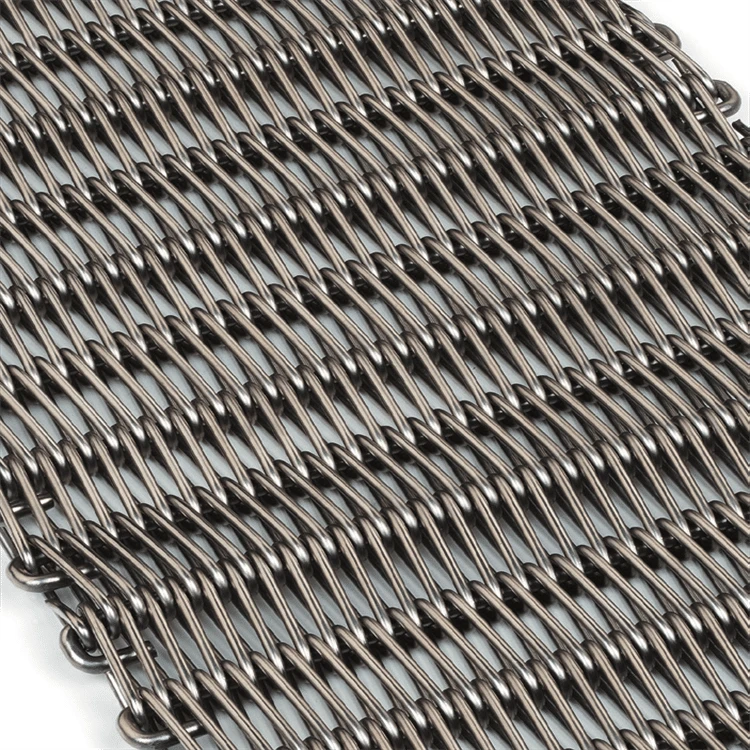
Common weave types include plain weave, twill weave, and Dutch weave. Plain weave is the most common and cost-effective, offering good strength and stability. Twill weave provides a tighter mesh with greater flexibility. Dutch weave features alternating warp and weft wires, creating a mesh with high permeability and good strength. The choice of weave type depends on the specific application requirements, such as filtration efficiency, flow rate, and tensile strength.
Can SS 316 wire mesh be welded?
Yes, SS 316 wire mesh can be welded, but it requires specialized techniques to maintain its corrosion resistance. Proper welding procedures, including the use of appropriate welding rods and post-weld passivation treatment, are essential to prevent corrosion at the weld joints. It's crucial to consult with a welding professional experienced in working with stainless steel alloys.
What is the typical lead time for custom SS 316 wire mesh orders?
Lead times vary depending on the complexity of the order, the quantity required, and the supplier's production schedule. Generally, standard sizes and weaves are readily available with shorter lead times. Custom orders, such as specific mesh counts or dimensions, may require 2-4 weeks for production. Contacting Xingxin Wire Mesh will provide you with an accurate lead time estimate for your specific needs.
-
-
-
-
-
-
-
-
-
-
-
-
-
-
-
-