
Talk to Us
+86 13633281999
Email Address
ada@xingxinwiremesh.comJan . 24, 2026 18:30
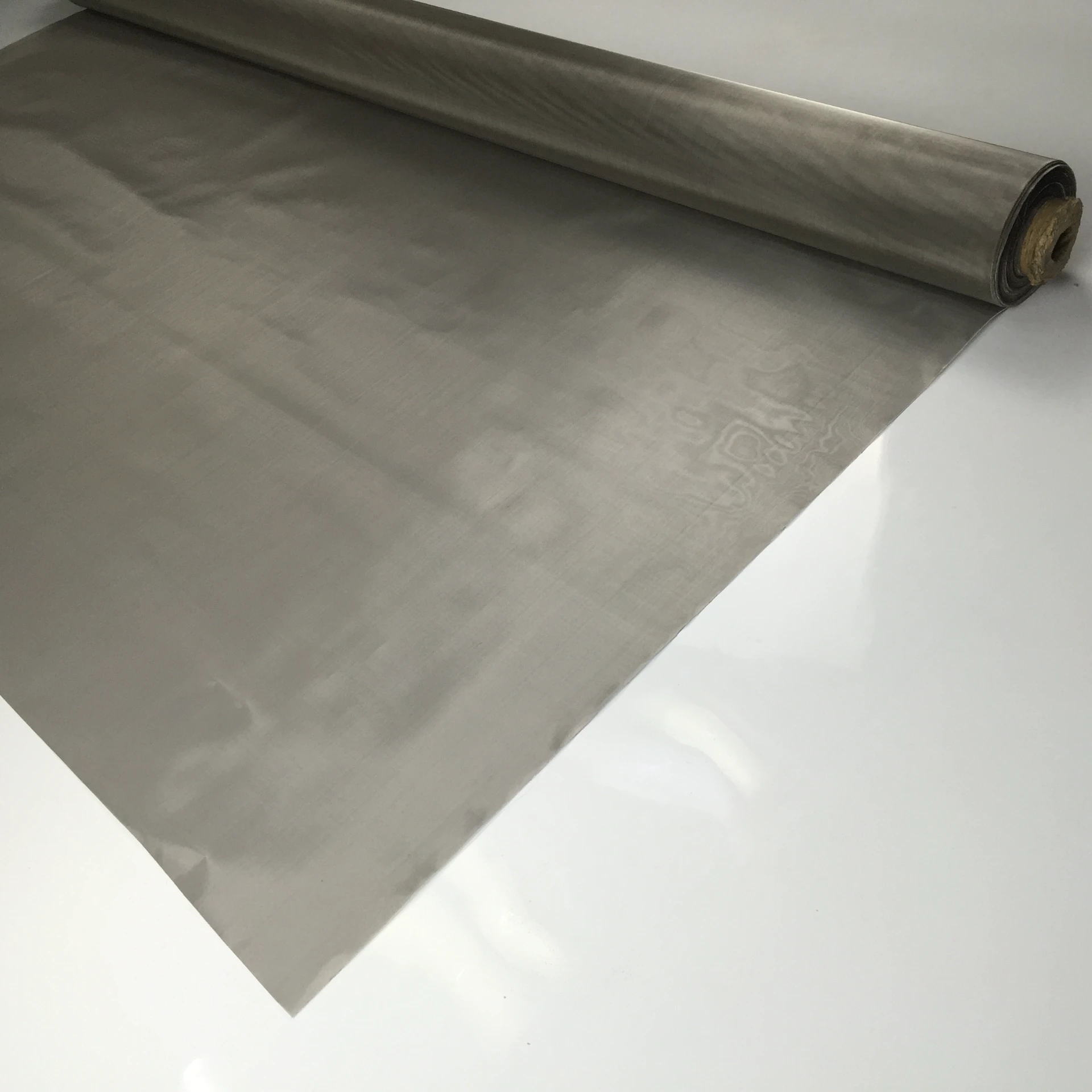
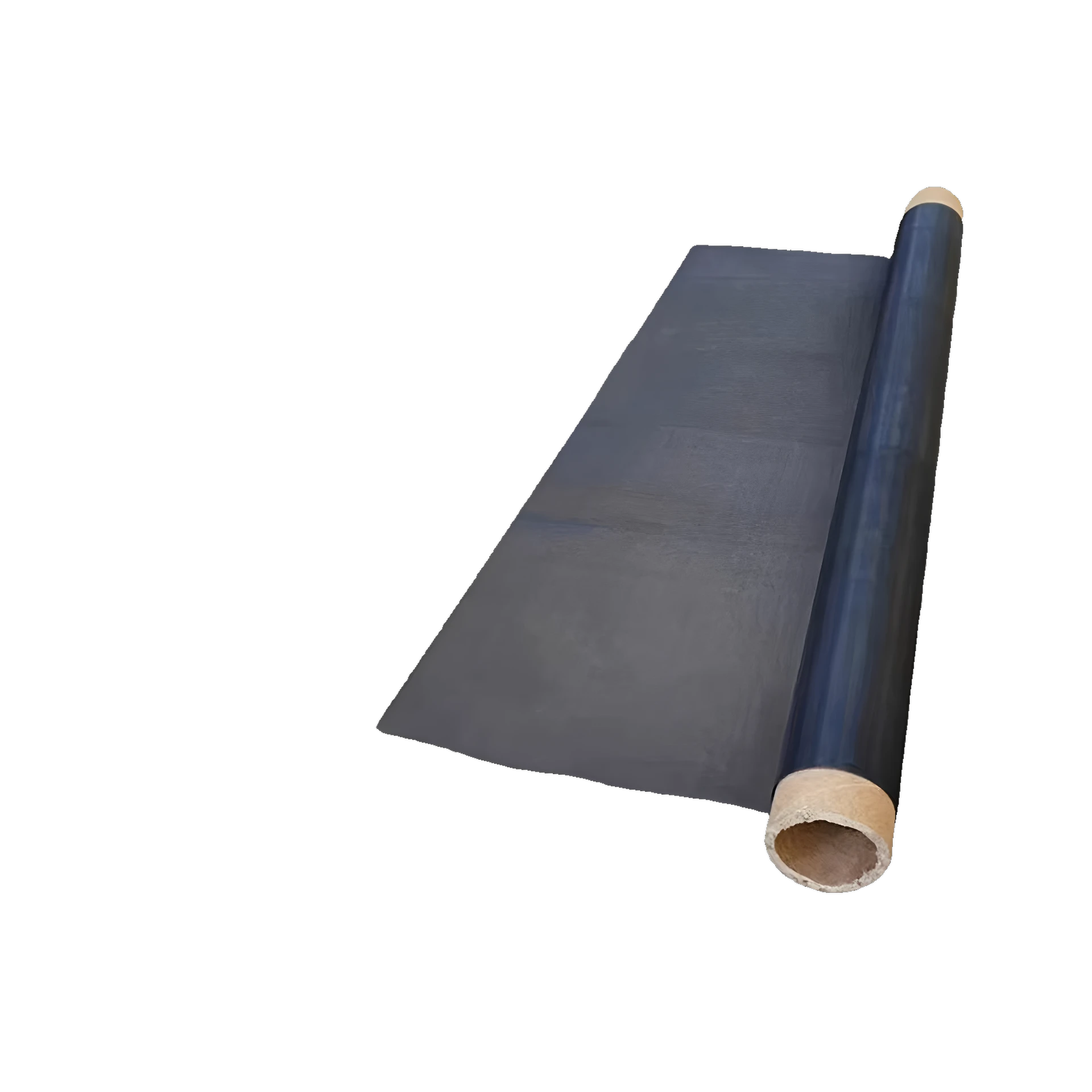
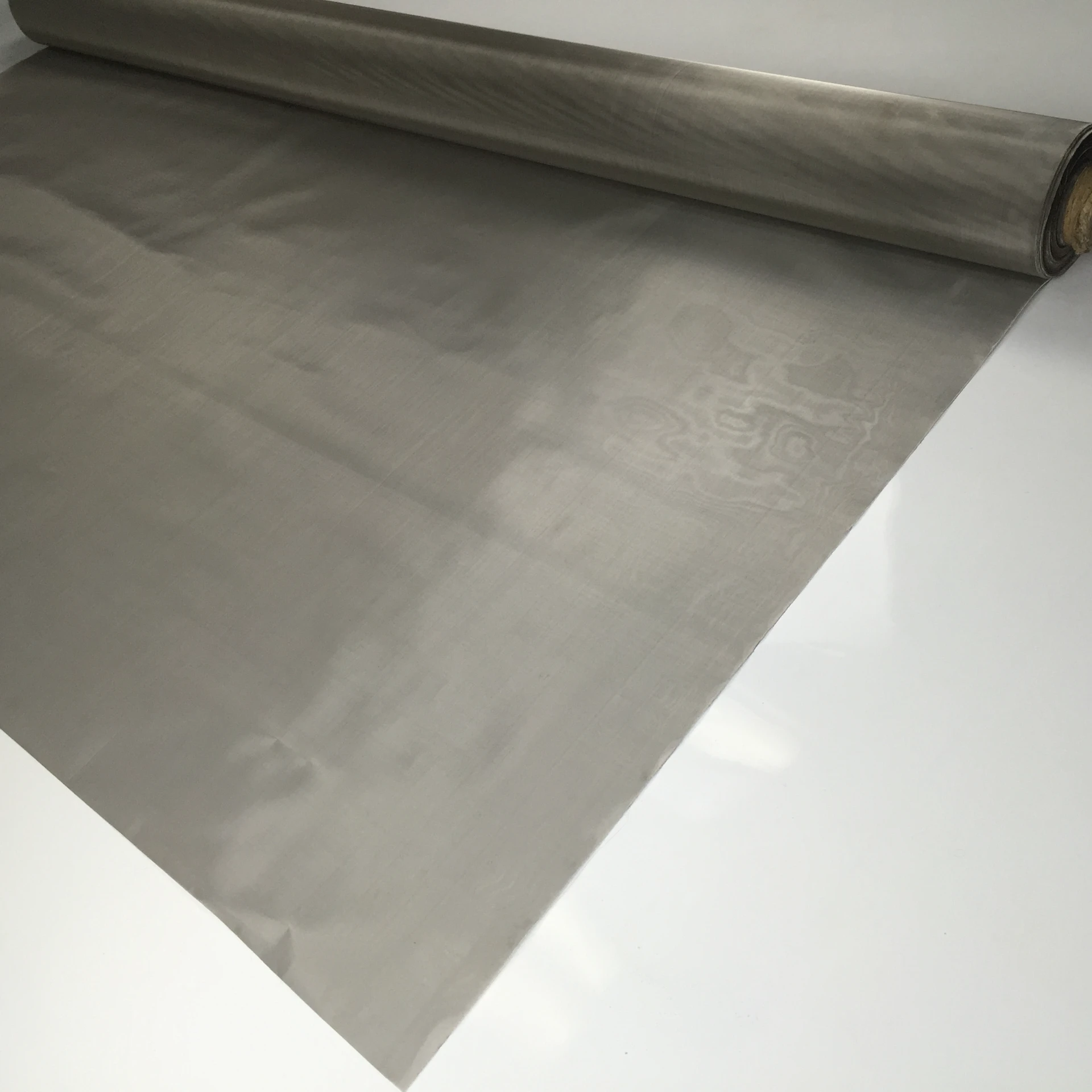
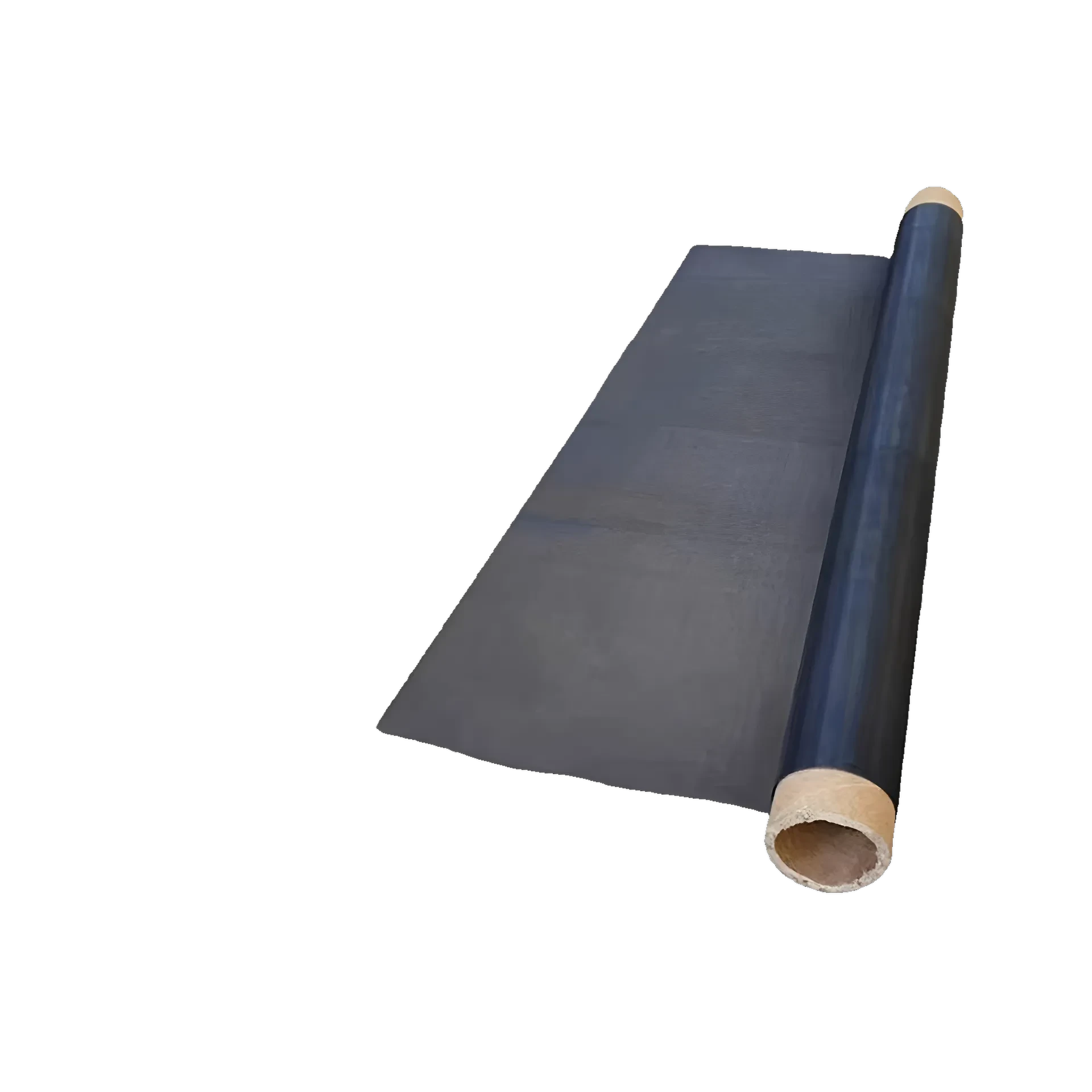
Stainless Steel Woven Screen: A Comprehensive Guide
Understanding Stainless Steel Woven Screen: A Deep Dive
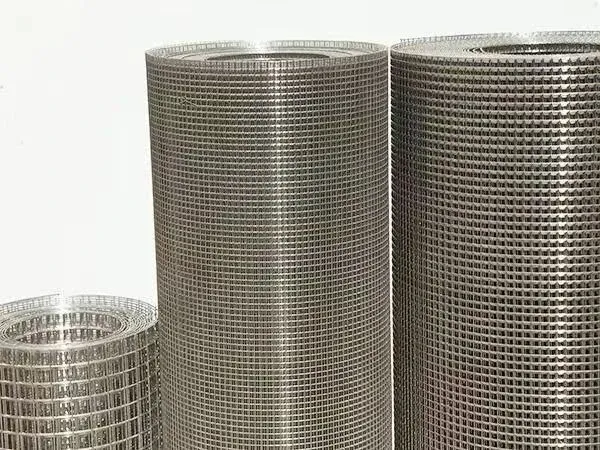
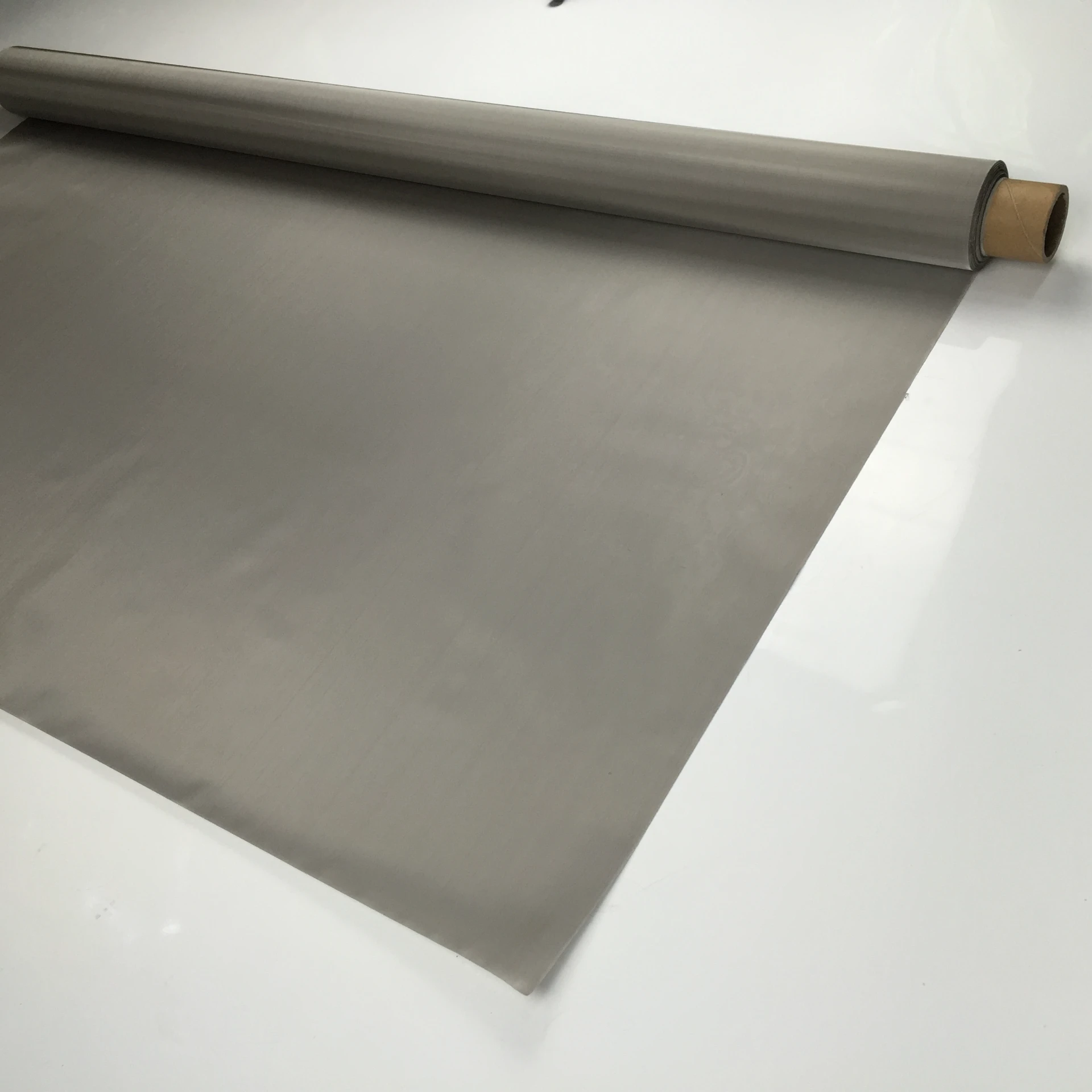
You know, I've been working around industrial filtration and separation for… well, a long time. And one thing that always comes up is woven screen. It’s the workhorse of a lot of processes, frankly. People often think of it as a simple component, but it's deceptively complex. Getting the right weave, the right alloy, the right everything… it makes a huge difference. Lately, there's been a real push for stainless steel – corrosion resistance is king, especially in demanding environments. It’s not just about preventing rust, it’s about maintaining consistent performance over the long haul, and frankly, reducing downtime. We've seen a big increase in requests for tighter tolerances and more specialized weaves as processes become more refined.Product Specifications: What Matters
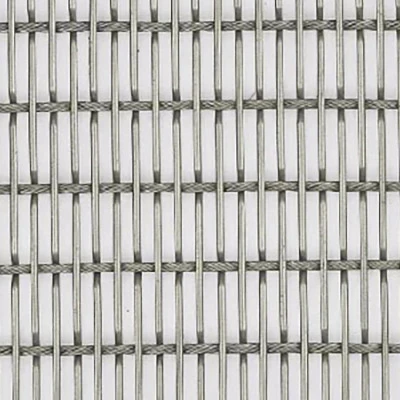
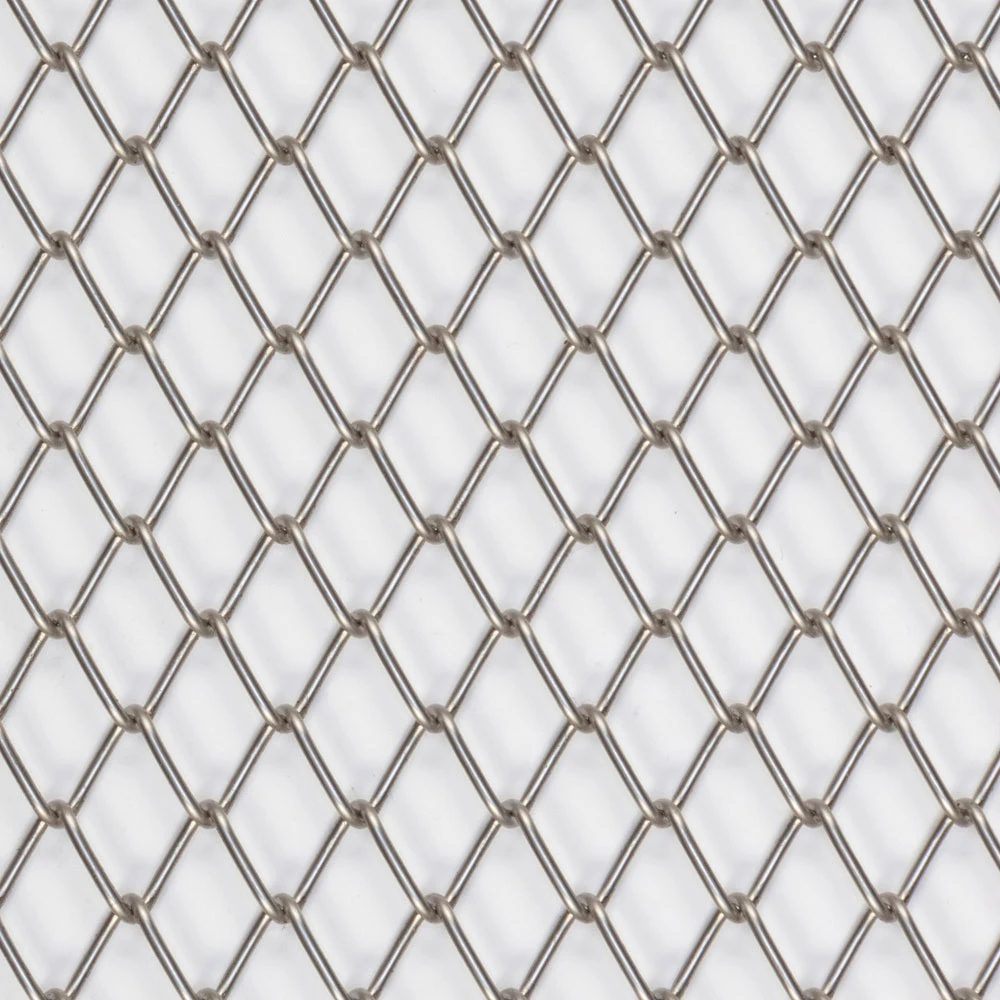
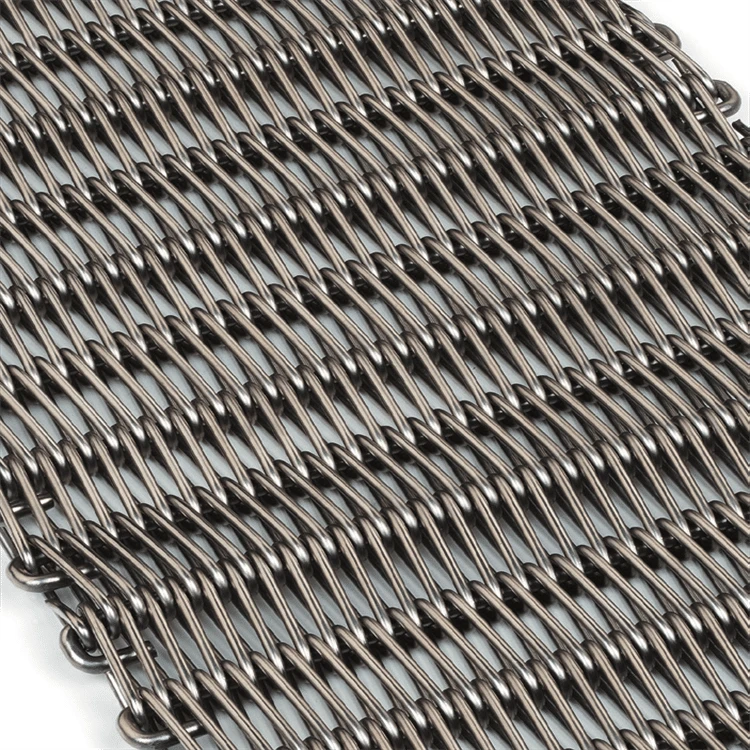
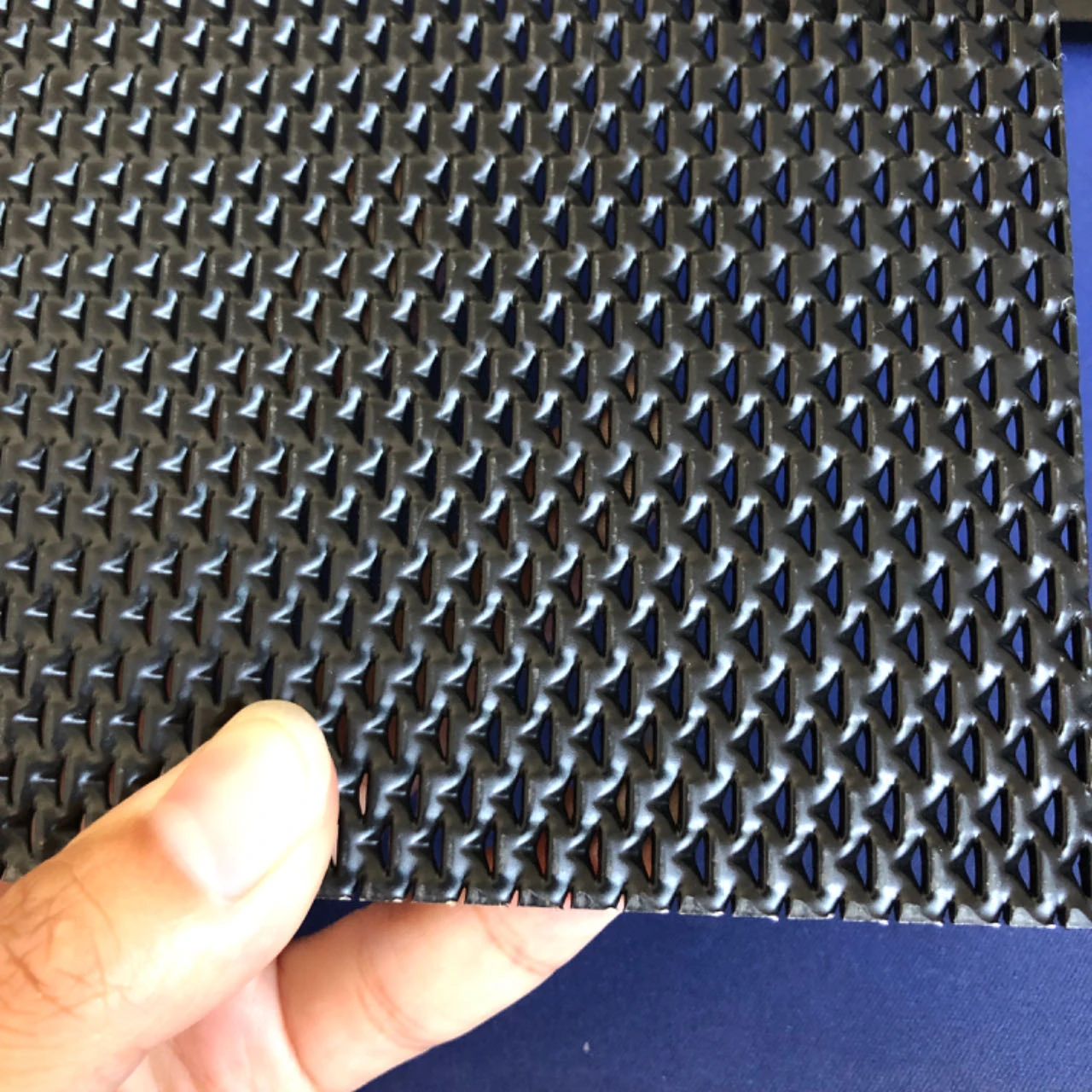
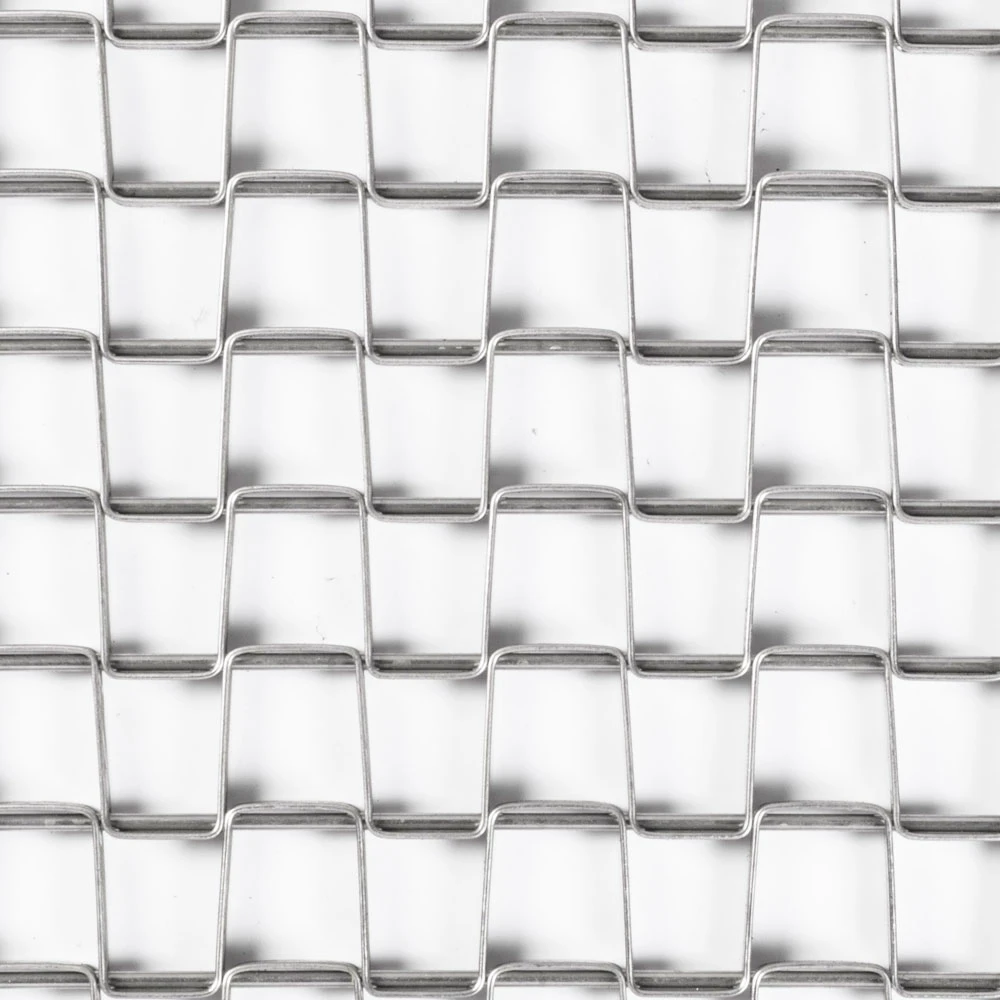
It's easy to get lost in the numbers, but understanding the core specs is crucial. The grade of stainless steel is the first thing, of course – 304 and 316 are the most common, but there are others for very specific applications. Then you’ve got the mesh count, wire diameter, aperture size, and weave pattern. Each one impacts the screen's strength, permeability, and filtration efficiency. I've seen projects derailed by choosing the wrong weave pattern for the particle size being filtered… it seems obvious, but it happens. Here’s a quick rundown of typical specs:| Specification | Typical Value | Notes |
|---|---|---|
| Material | 304/316 Stainless Steel | Corrosion resistance |
| Mesh Count | 20 – 600 | Particles per inch |
| Wire Diameter | 0.05mm – 1.2mm | Affects strength & flow |
| Weave Pattern | Plain, Twill, Dutch | Impacts filtration |
Comparing the Options: A Vendor Landscape
Honestly, there are a lot of companies making stainless steel woven screen. Quality varies. A lot. Some focus on high volume, low cost, while others specialize in custom work. I suppose choosing the right vendor depends on your specific needs. I recently worked with a client needing a very fine mesh for pharmaceutical filtration. They needed full traceability and rigorous quality control. Xingxin Wire Mesh came highly recommended, and I have to say, their responsiveness and willingness to meet the stringent requirements were impressive. Here’s a quick comparison of a few key players:| Vendor | Specialty | Lead Time | Price Point |
|---|---|---|---|
| Xingxin Wire Mesh | Custom, High Precision | 3-4 weeks | Mid-Range |
| TWP Inc. | High Volume, Standard Sizes | 1-2 weeks | Low |
| Precision Wire Weave | Architectural & Specialty | 4-6 weeks | High |
Final Thoughts
Ultimately, choosing the right stainless steel woven screen isn’t just about the material. It's about understanding your application, your budget, and finding a partner who can deliver consistent quality. It’s a surprisingly nuanced field, and getting it right can save you a lot of headaches down the line…
References:
- Industry durability reports, HKaiseal 2023
- Maintenance strategies for conveyor equipment, Journal of Manufacturing 2022
- Personal project insights & engineer interviews 2018–2023
-
-
-
-
-
-
-
-
-
-
-
-
-
-
-
-