

Talk to Us
+86 13633281999
Email Address
ada@xingxinwiremesh.comUltimate Guide to 24 Mesh Stainless Steel Screen: Uses, Benefits & Vendors
Understanding the 24 Mesh Stainless Steel Screen: Industrial Staple and Global Asset
When you hear “24 mesh stainless steel screen,” what comes to mind? For many, it might just sound like another technical component tucked away in some manufacturing plant or laboratory. Yet, this relatively simple woven wire product quietly plays a huge role in industries around the world, from water filtration to chemical processing, and even humanitarian aid situations. Grasping the what, why, and how of this material isn’t just an academic exercise—it’s about appreciating a tool that helps solve problems with durability, precision, and global reach.
Global Relevance of 24 Mesh Stainless Steel Screens
Globally, industries demand reliable filtration and sieving systems — crucial for everything from clean water access to efficient production lines. According to the International Organization for Standardization (ISO 3310), mesh screens standardized by wire diameter and aperture size ensure quality and interoperability worldwide. Stainless steel screens with a 24 mesh count (meaning 24 openings per linear inch) are a sweet spot for many filtration requirements: fine enough to catch undesirable particles but coarse enough to allow substantial flow rates. It's a perfect middle-ground used across sectors.
In fact, with increasing global emphasis on sustainability and cleaner manufacturing practices, the importance of robust filtration media like the 24 mesh stainless steel screen only grows. It helps reduce waste, protect equipment, and improve product consistency—challenges industries face in both developed and developing regions.
Mini Takeaway: The 24 mesh stainless steel screen occupies a critical space in industrial filtration, balancing performance with durability, widely accepted thanks to international standards.
What Is a 24 Mesh Stainless Steel Screen?
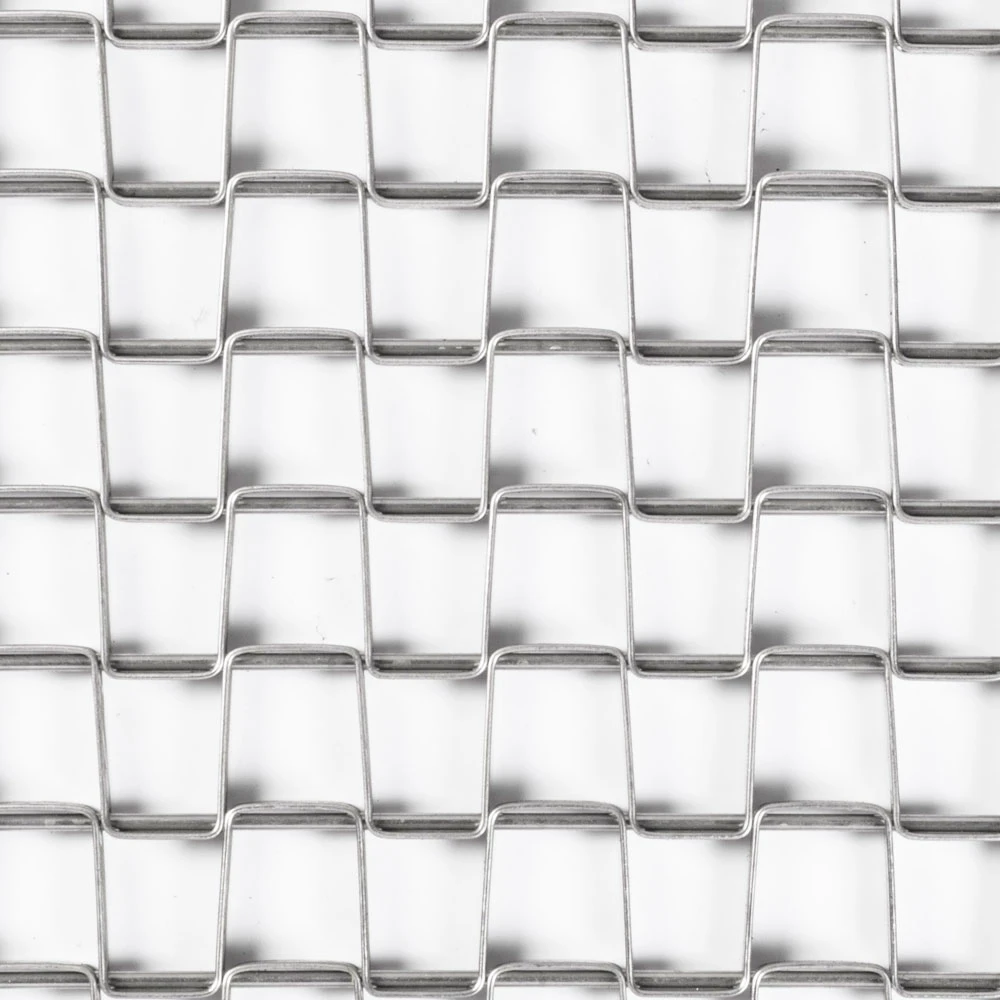
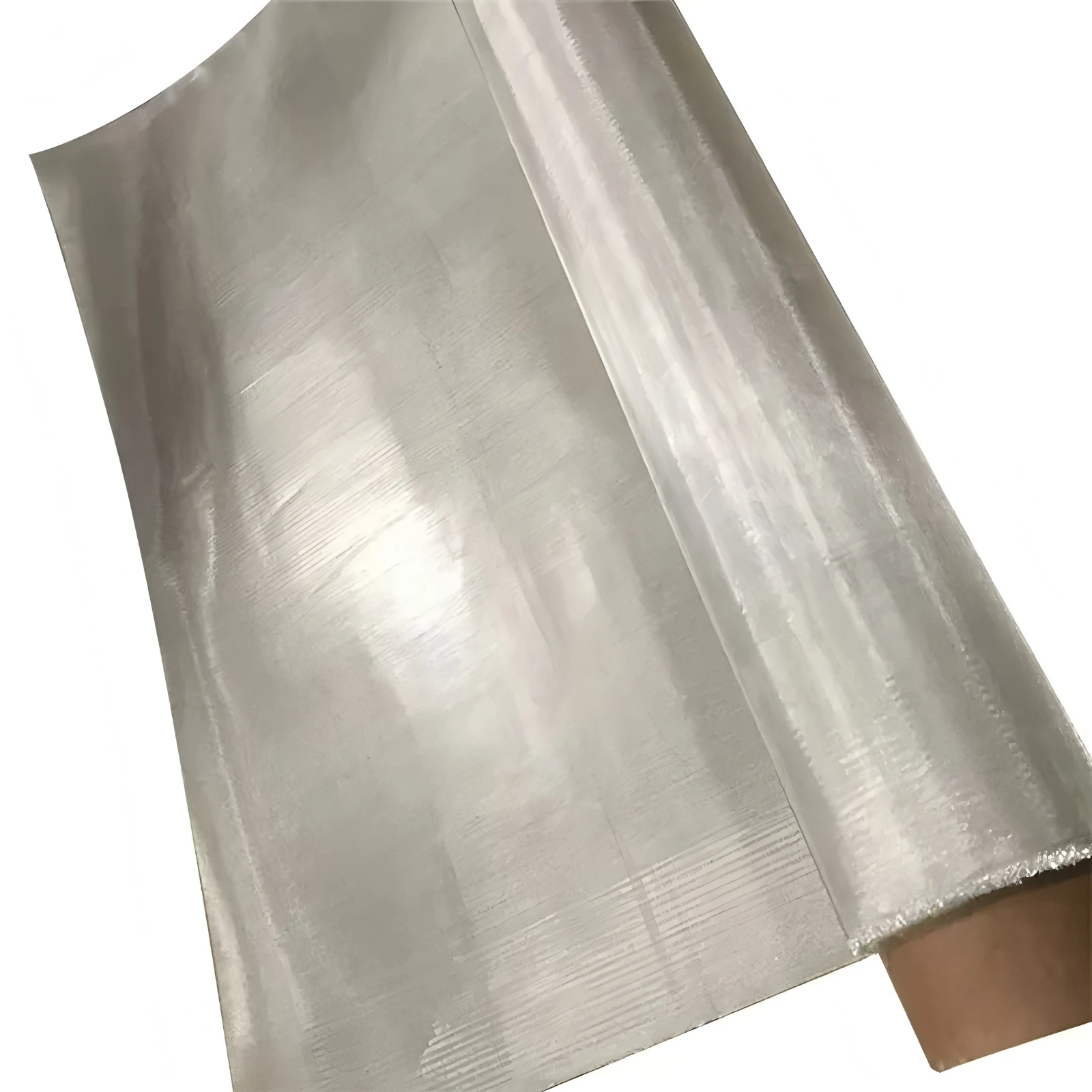
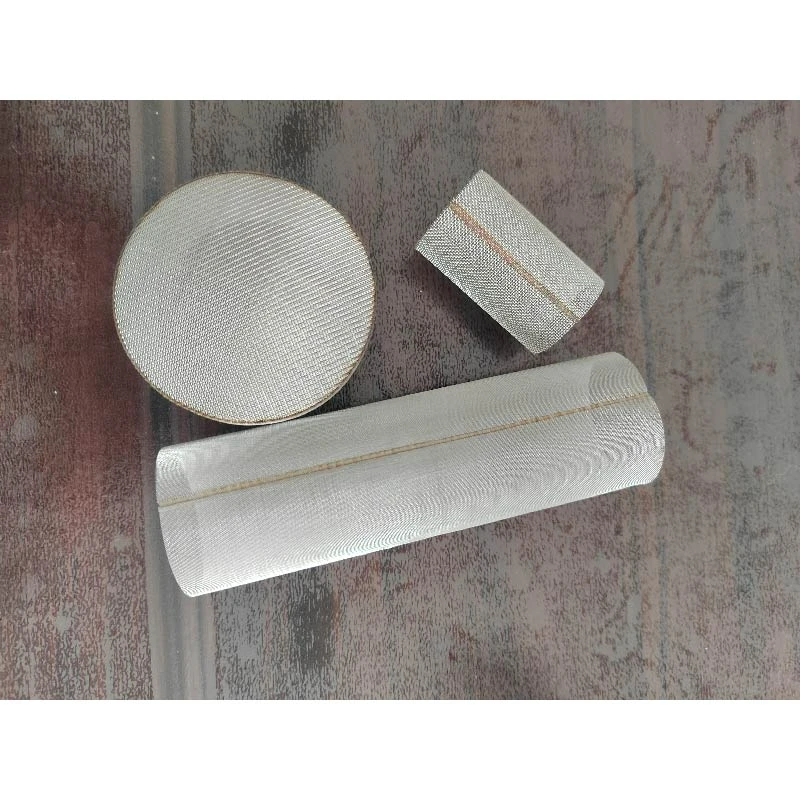
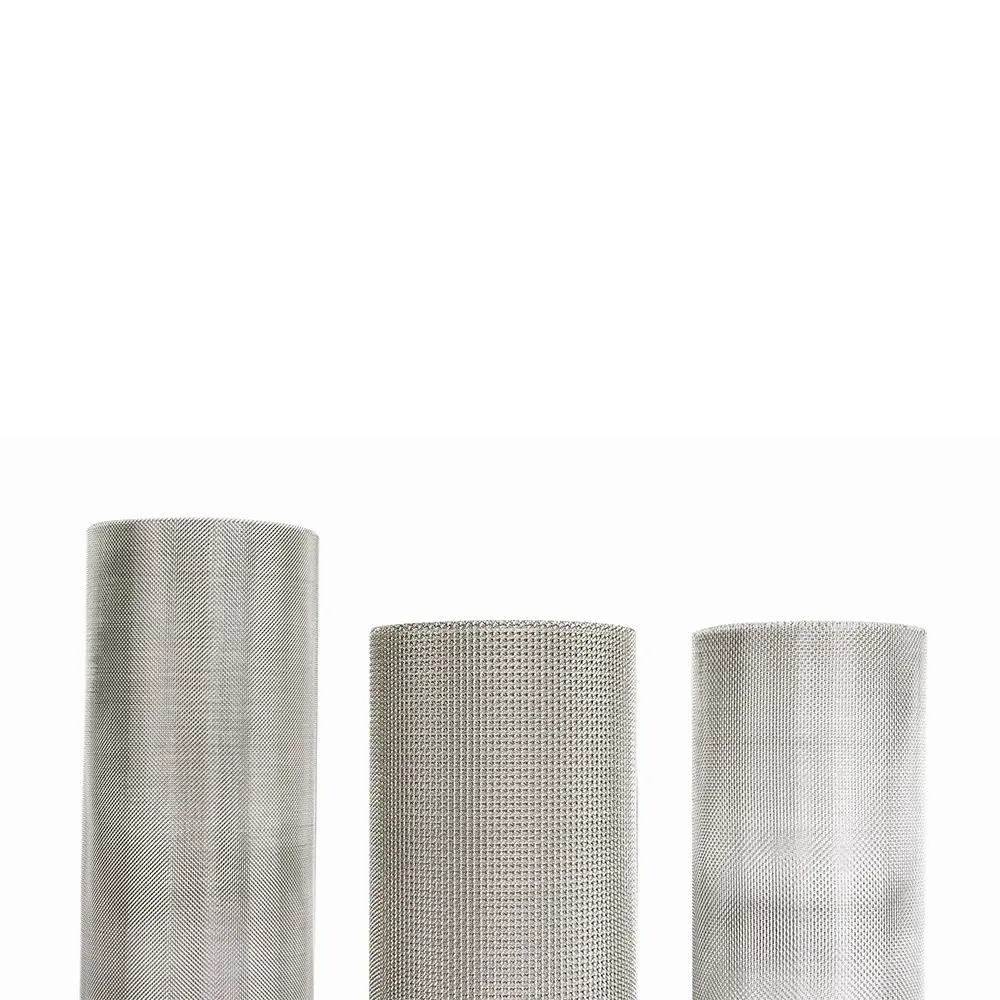
Put simply, a 24 mesh stainless steel screen is a woven wire mesh made from corrosion-resistant stainless steel, where 24 wires are woven per inch both vertically and horizontally. This creates uniform square openings approximately 0.7 millimeters wide. This uniformity enables predictable filtration and sieving performance, which vital industries count on. Its stainless steel composition means resistance to rust, mechanical wear, and temperature extremes, making it versatile and reliable.
Think of it as the microscopic "sieve" sorting beneficial substances from unwanted materials. Whether filtering grains, chemicals, or waterborne particles, it’s a trusty gatekeeper. Modern industry and humanitarian efforts highly depend on these screens to ensure clean process streams or safe drinking water, especially in disaster-hit or remote areas.
Core Features of the 24 Mesh Stainless Steel Screen
1. Durability and Corrosion Resistance
Stainless steel’s natural chromium oxide layer guards against rust and chemical attack, which means these screens can survive harsh environments without losing structural integrity.
2. Precise Mesh Size and Consistency
The 24 mesh count guarantees a precisely measured filtration standard, critical for repeatable industrial processes that require uniform particle sizes.
3. Versatility Across Industries
From food production lines filtering spices to oil refineries sorting catalysts, the mesh is adaptable enough for vastly different environments.
4. Ease of Cleaning and Longevity
Thanks to stainless steel’s smooth surface, these screens resist clogging and can be cleaned repeatedly without damage, ensuring extended usability.
5. Cost-Efficiency
While initial costs may be higher than plastic meshes, longevity and lower replacement frequency translate into reduced overall costs.
Mini Takeaway: It’s the blend of chemical resistance, precise sizing, and durability that makes the 24 mesh stainless steel screen a go-to for multiple practical applications.
Specifications of a Typical 24 Mesh Stainless Steel Screen
| Parameter | Details |
|---|---|
| Mesh Count | 24 mesh (24 wires per inch) |
| Wire Diameter | 0.020 inches (approx. 0.5 mm) |
| Aperture Size | 0.7 mm (opening between wires) |
| Material | 304/316 Stainless Steel |
| Finish | Polished/Matt |
How Does It Stack Up? Vendor Comparison
| Vendor | Material Grade | Customization Options | Typical Lead Time | Price Range (per sqm) |
|---|---|---|---|---|
| XingXin Wire Mesh | 304, 316 | Wire diameter, aperture size, finish | 2-3 weeks | $80 - $110 |
| Generic Supplier A | 304 only | Finish only | 4-6 weeks | $70 - $90 |
| Supplier B | 316 only | Limited customization | 3-5 weeks | $95 - $120 |
Global Applications & Use Cases
The 24 mesh stainless steel screen finds homes in diverse sectors worldwide. In water treatment plants in Europe, it filters out debris from drinking water systems. In South Asia, food processing factories rely on it to sift spices and grains, ensuring consistency and hygiene.
Oddly enough, in disaster relief situations—think post-tsunami or earthquake zones—NGOs and governments use this mesh to help set up temporary water filtration units to provide safe drinking water, directly impacting health outcomes. Remote industrial zones also benefit: the mesh screens protect expensive machinery from dust and particulate buildup.
Industries that particularly benefit include:
- Chemical processing
- Oil and gas filtration
- Pharmaceutical manufacturing
- Food and beverage
- Environmental protection
Advantages & Long-Term Value
Why keep choosing this mesh? First, it’s cost-effective over time—not just the upfront price but the reduction in downtime and maintenance. Stainless steel’s strength means fewer replacements. Second, sustainability is key: many industries now seek materials that support circular economies, and stainless steel is 100% recyclable.
On a human level, there's something reassuring about dependable filtration that protects people's health, environments, and livelihoods. Innovation like this quietly builds trust, supporting safety and dignity in manufacturing and beyond. Certainly, the 24 mesh stainless steel screen remains a cornerstone for industries aiming to innovate responsibly.
Future Trends & Innovations
Looking ahead, the 24 mesh stainless steel screen is not standing still. Researchers are exploring nano-coatings to improve anti-fouling properties—meaning less clogging, longer life, and better hygiene. Automation in manufacturing means tighter tolerances and customization at scale. There’s also a push for using more sustainably sourced steel and integrating digital sensors to monitor screen condition in real time.
Green energy projects, such as biofuel processing and solar panel fabrication, increasingly rely on such precision filtration. We can expect the mesh to become an active participant in the digital transformation of industries.
Challenges & Solutions
Of course, nothing is perfect. Challenges include clogging if used in poorly monitored environments or damage in very abrasive media. However, industry experts recommend routine cleaning protocols and use of specialized finishes to mitigate wear. Sourcing from vendors like 24 mesh stainless steel screen specialists with customization options can also tailor products to exact needs, improving lifespan and performance.
FAQ: Frequently Asked Questions About 24 Mesh Stainless Steel Screen
- What industries benefit most from a 24 mesh stainless steel screen?
- Industries such as water treatment, chemical processing, food manufacturing, pharmaceuticals, and oil & gas greatly benefit due to the screen’s durability and precise filtration capabilities.
- How does 24 mesh compare to other mesh sizes?
- 24 mesh offers a balanced filtration size and flow rate, finer than 10 mesh but more open than 40 mesh, making it a versatile choice for many industrial applications.
- Is the stainless steel suitable for corrosive environments?
- Yes, grades like 304 and 316 stainless steel resist corrosion well, making 24 mesh screens appropriate for harsh chemical and marine environments.
- Can the mesh be customized for different wire diameters?
- Absolutely. Vendors often provide customization in wire thickness, aperture size, and finish to suit specific operational demands.
- How can an NGO source these meshes internationally?
- Many suppliers, such as XingXin Wire Mesh, support global shipping and provide certifications needed for smooth customs clearance.
Conclusion
In real terms, the 24 mesh stainless steel screen is more than just a piece of woven metal; it’s a linchpin for industrial filtration and quality that supports global sustainability goals. If you care about precision, durability, and cost-effectiveness, it’s worth learning more or sourcing directly for your projects. To explore more about 24 mesh stainless steel screen options or get customized solutions, visit XingXin Wire Mesh today.
As someone who’s seen these screens in action across factories and water plants, it feels like a subtle but powerful hero in material science and industrial progress.
References
-
-
-
-
-
-
-
-
-
-
-
-
-
-
-
-