

Talk to Us
+86 13633281999
Email Address
ada@xingxinwiremesh.com- Afrikaans
- Albanian
- Amharic
- Arabic
- Armenian
- Azerbaijani
- Basque
- Belarusian
- Bengali
- Bosnian
- Bulgarian
- Catalan
- Cebuano
- China
- China (Taiwan)
- Corsican
- Croatian
- Czech
- Danish
- Dutch
- English
- Esperanto
- Estonian
- Finnish
- French
- Frisian
- Galician
- Georgian
- German
- Greek
- Gujarati
- Haitian Creole
- hausa
- hawaiian
- Hebrew
- Hindi
- Miao
- Hungarian
- Icelandic
- igbo
- Indonesian
- irish
- Italian
- Japanese
- Javanese
- Kannada
- kazakh
- Khmer
- Rwandese
- Korean
- Kurdish
- Kyrgyz
- Lao
- Latin
- Latvian
- Lithuanian
- Luxembourgish
- Macedonian
- Malgashi
- Malay
- Malayalam
- Maltese
- Maori
- Marathi
- Mongolian
- Myanmar
- Nepali
- Norwegian
- Norwegian
- Occitan
- Pashto
- Persian
- Polish
- Portuguese
- Punjabi
- Romanian
- Russian
- Samoan
- Scottish Gaelic
- Serbian
- Sesotho
- Shona
- Sindhi
- Sinhala
- Slovak
- Slovenian
- Somali
- Spanish
- Sundanese
- Swahili
- Swedish
- Tagalog
- Tajik
- Tamil
- Tatar
- Telugu
- Thai
- Turkish
- Turkmen
- Ukrainian
- Urdu
- Uighur
- Uzbek
- Vietnamese
- Welsh
- Bantu
- Yiddish
- Yoruba
- Zulu
Molybdenum Wire Mesh and Its Industrial Applications
In the modern industrial world, materials that can withstand extreme temperatures, corrosion, and mechanical stress are indispensable. Among these advanced materials, molybdenum wire mesh has gained significant attention for their exceptional physical and chemical properties. Molybdenum is a rare and valuable refractory metal with excellent strength and stability, making it widely used in industries such as aerospace, metallurgy, chemical processing, and electronics.
What Does Molybdenum Do? Understanding the Role of Molybdenum in Industry
Before exploring mesh and screen applications, it’s important to understand what molybdenum does as an element. Molybdenum (chemical symbol Mo) is a transition metal known for its high melting point (2623°C), excellent thermal conductivity, and outstanding corrosion resistance.
In metallurgy, molybdenum is primarily used as an alloying agent to enhance the strength, hardness, and heat resistance of steel and other metals. Even a small amount of molybdenum can significantly improve a material’s performance at elevated temperatures and under corrosive conditions.
For example:
In stainless steel, molybdenum improves resistance to pitting and crevice corrosion, especially in chloride-rich environments.
In aerospace materials, it contributes to maintaining strength at high temperatures.
In chemical processing, it is used in catalysts, electrodes, and heating elements due to its chemical stability.
In short, what molybdenum does is enable industries to operate in environments where ordinary materials would fail — providing strength, durability, and thermal reliability.
What Is Molybdenum Wire Mesh?
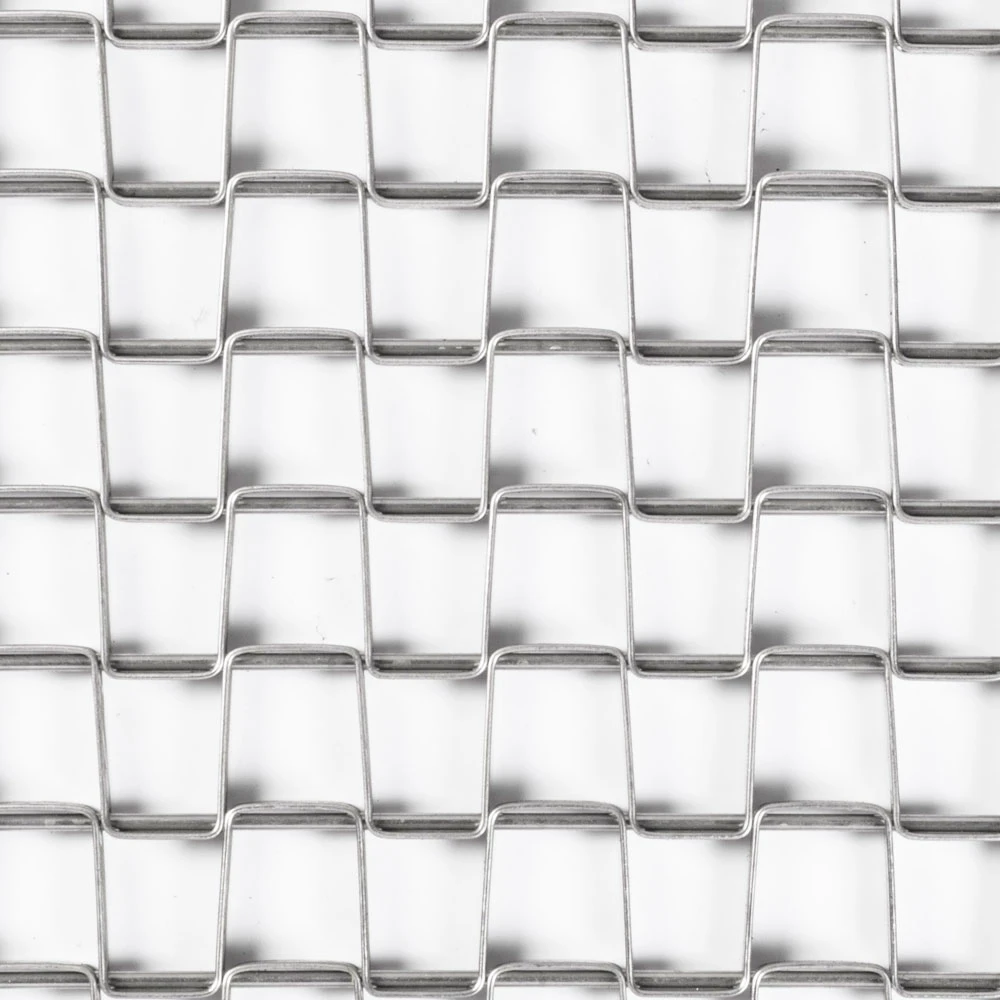
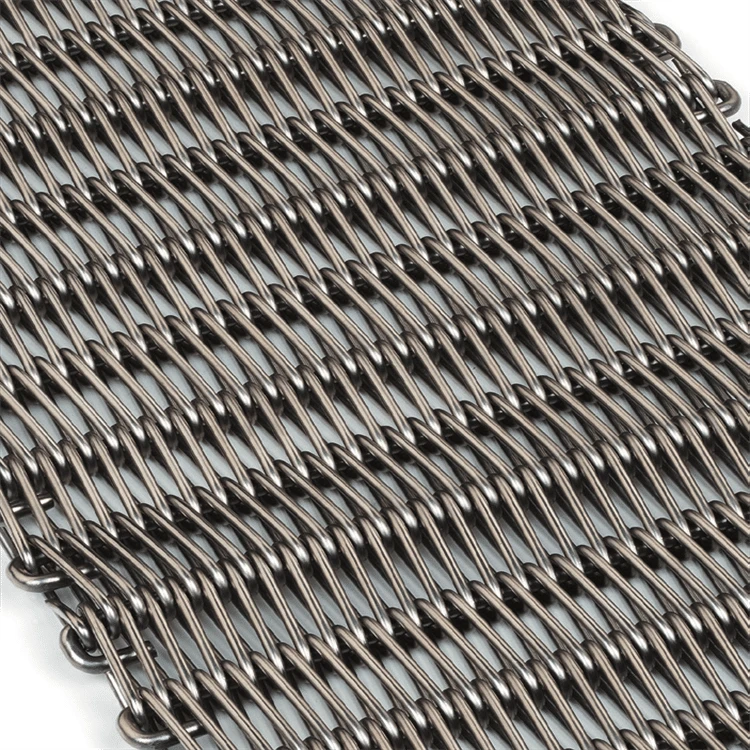
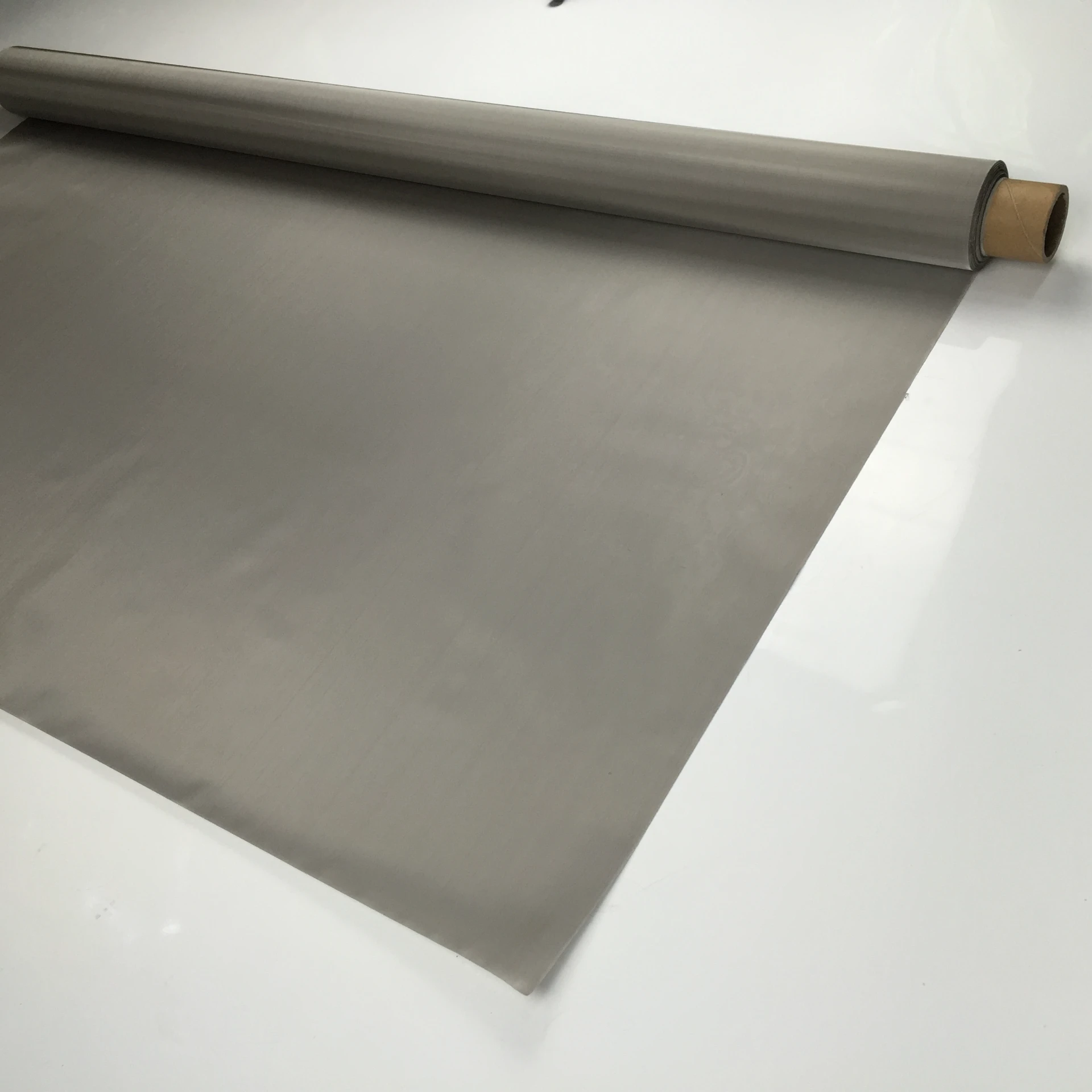
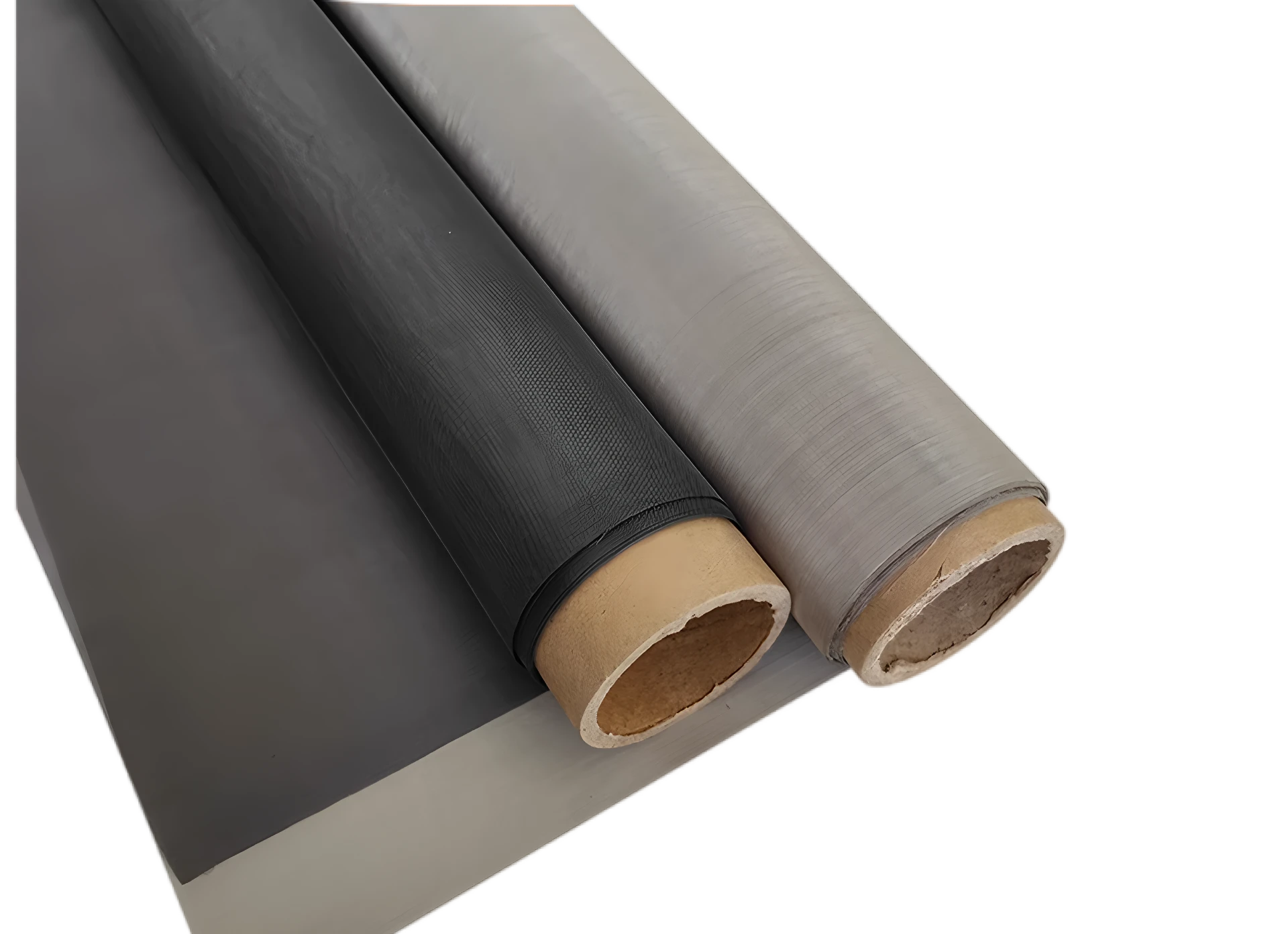
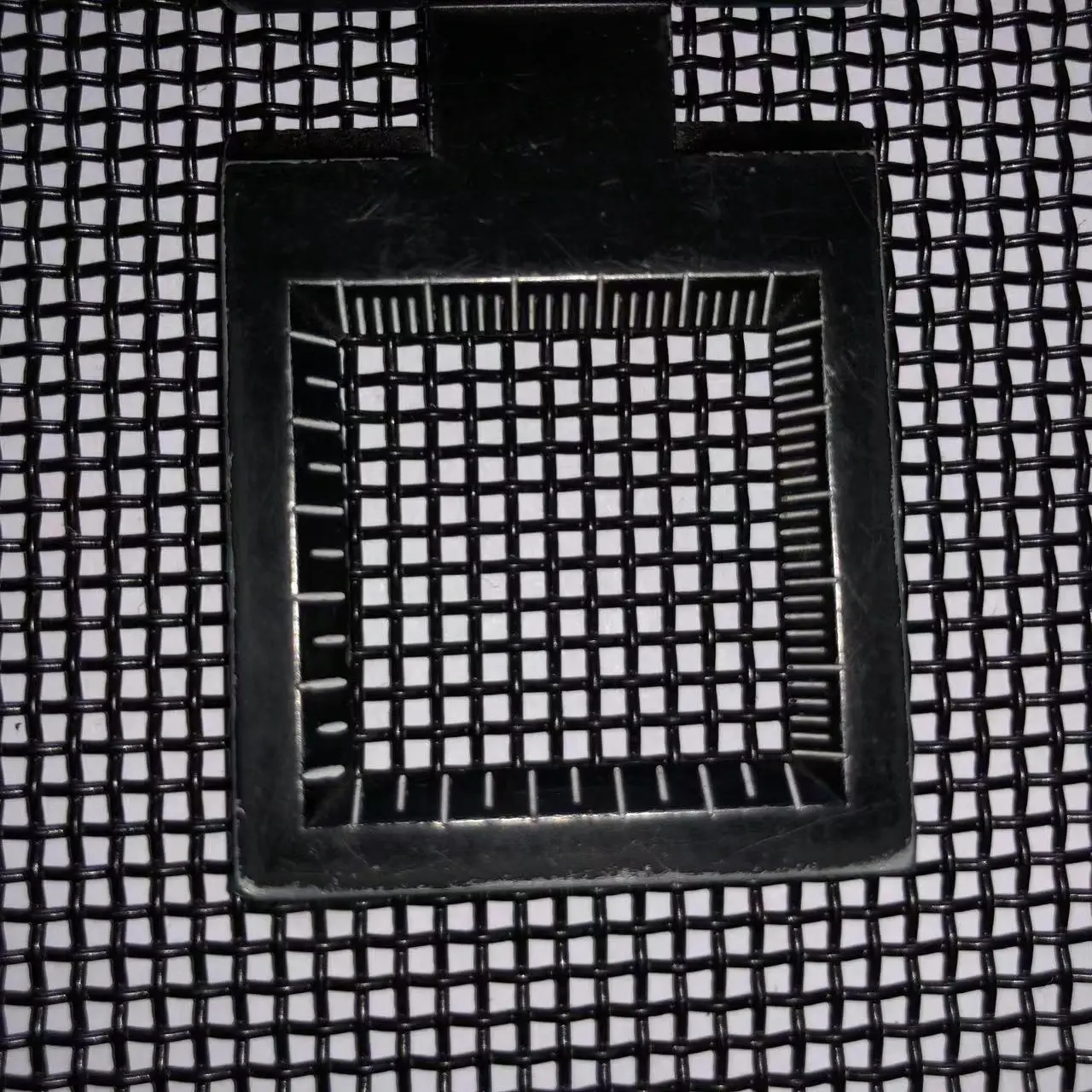
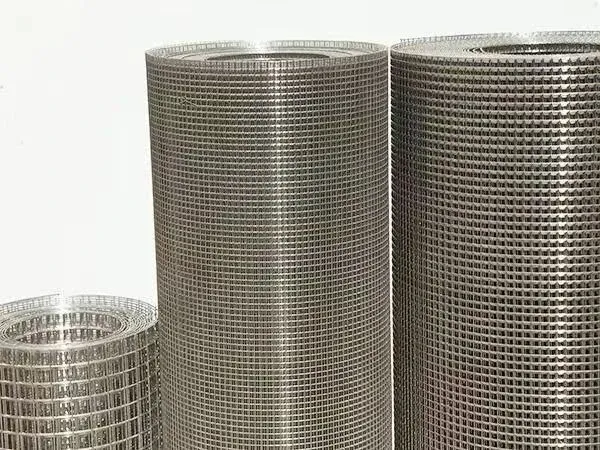
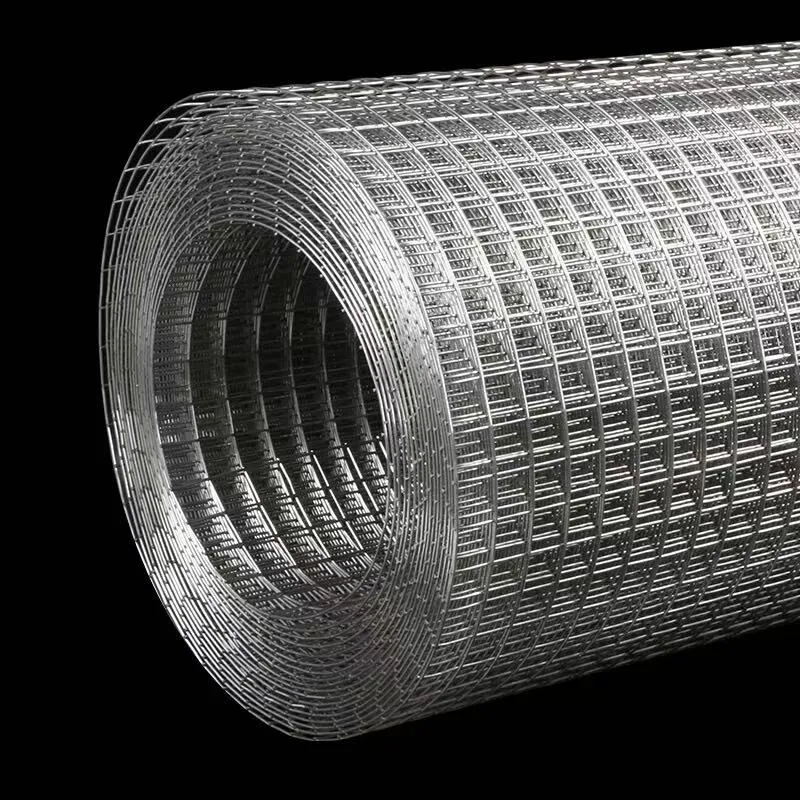
Molybdenum wire mesh is a woven or welded mesh made from high-purity molybdenum wire. This mesh inherits the element’s superior thermal and mechanical properties, offering excellent resistance to oxidation, corrosion, and high-temperature deformation.
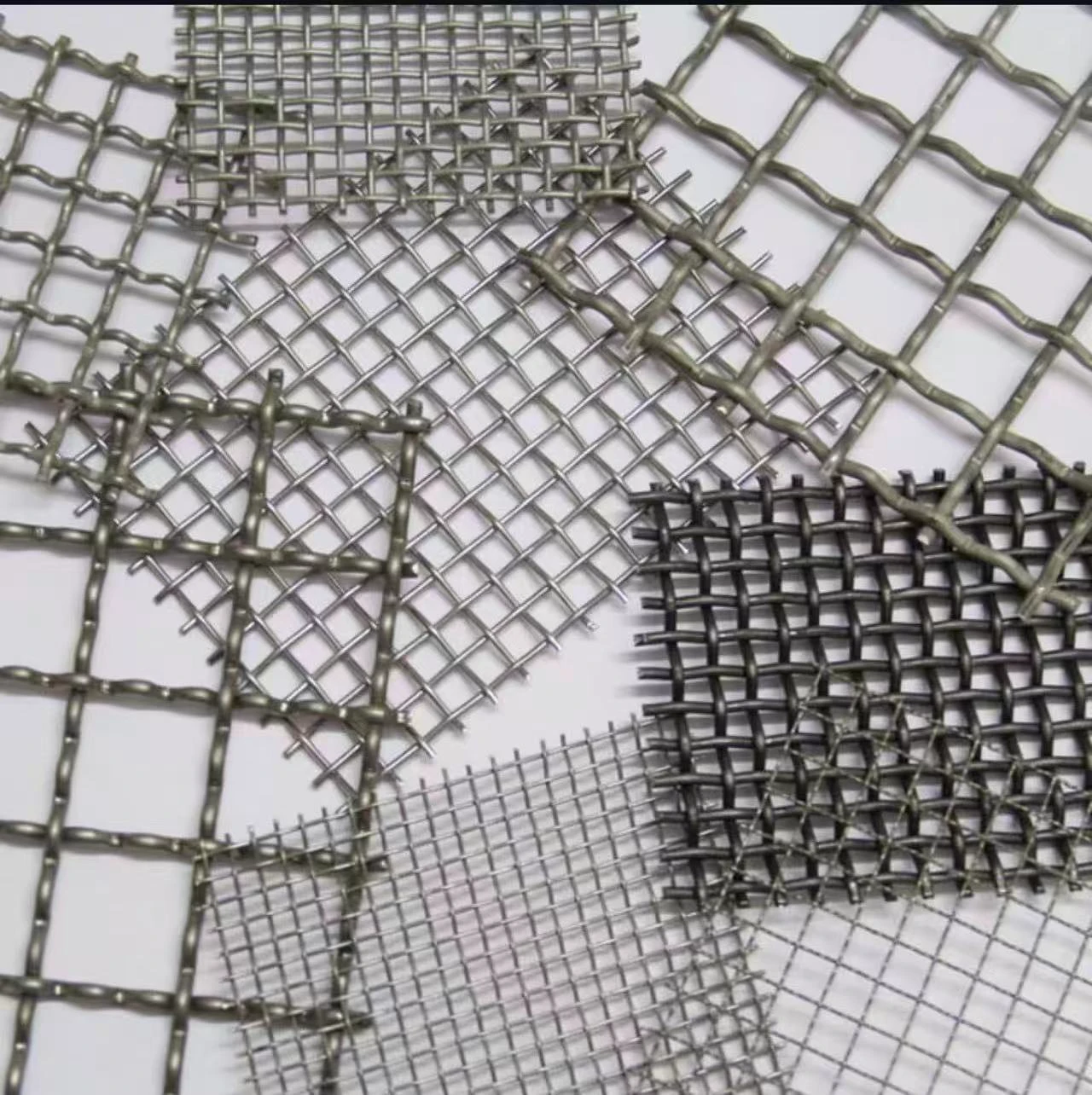
Depending on the application, molybdenum wire mesh is manufactured in various weave patterns — plain weave, twilled weave, or square weave — to achieve different filtration precision and structural strength.
The typical wire diameters range from 0.05 mm to 1.0 mm, and the mesh count can vary from 4 to 400 per inch, depending on whether it is used for coarse filtration, heating elements, or fine sieving.
Main Properties of Molybdenum Mesh
The unique structure of molybdenum mesh provides a combination of mechanical robustness and chemical stability that few other metals can match. Its key properties include:
(1) High Melting Point
Molybdenum has one of the highest melting points among all metals (second only to tungsten), allowing molybdenum mesh to function reliably in environments exceeding 2000°C.
(2) Excellent Thermal and Electrical Conductivity
Thanks to its low thermal expansion coefficient, molybdenum wire mesh maintains dimensional stability even under fluctuating temperatures. It also offers good electrical conductivity, making it ideal for electrodes and heating elements.
(3) Superior Corrosion and Oxidation Resistance
Molybdenum screen resists corrosion from most acids and alkalis, particularly under high-temperature vacuum or reducing conditions. This property makes it perfect for use in chemical reactors and furnace components.
(4) High Strength and Toughness
Even at elevated temperatures, molybdenum mesh retains its mechanical strength, resisting deformation, cracking, or brittleness.
Applications of Molybdenum Wire Mesh and Molybdenum Screen
Due to its outstanding characteristics, molybdenum wire mesh is used in a variety of industries, including metallurgy, electronics, aerospace, and chemical engineering.
(1) High-Temperature Furnace Applications
One of the most common uses of molybdenum mesh is in high-temperature furnaces and vacuum heat treatment equipment. It is used as heating elements, support grids, and sintering trays, where resistance to extreme heat and structural stability are essential.
(2) Filtration and Sieving in Harsh Environments
Molybdenum screen is widely employed for filtration of molten metals, corrosive chemicals, or high-temperature gases. Unlike stainless steel or nickel mesh, molybdenum mesh does not easily oxidize or deform, ensuring consistent filtration accuracy.
(3) Electronic and Semiconductor Industries
Because of its electrical conductivity and stability, molybdenum wire mesh is used in electronic components, vacuum coating equipment, and semiconductor production processes, including ion implantation and thin-film deposition.
(4) Aerospace and Defense Applications
In aerospace engineering, molybdenum mesh is utilized for structural reinforcement, shielding, and thermal management components. Its ability to maintain strength in extreme thermal cycles makes it invaluable for spacecraft and turbine engines.
(5) Chemical and Petrochemical Processing
In reactors, distillation towers, and catalytic systems, molybdenum mesh serves as catalyst carriers and filters, providing excellent resistance to acidic and reducing environments.
Molybdenum Mesh vs Other Metal Mesh Materials
While stainless steel, nickel, and tungsten meshes are also common, molybdenum wire mesh occupies a unique position due to its balance of performance and cost.
|
Property |
Molybdenum Mesh |
Stainless Steel Mesh |
Tungsten Mesh |
|
Melting Point |
2623°C |
1400°C |
3422°C |
|
Corrosion Resistance |
Excellent |
Good |
Excellent |
|
Cost |
Moderate |
Low |
High |
|
Weight |
Lighter than tungsten |
Moderate |
Heavy |
|
Workability |
Easier than tungsten |
Easy |
Difficult |
Thus, molybdenum mesh offers a cost-effective alternative to tungsten where slightly lower temperature resistance is acceptable but high strength and corrosion resistance are still required.
Manufacturing Process of Molybdenum Wire Mesh
Producing molybdenum wire mesh requires precise control and high-purity materials. The process typically includes:
Wire Drawing: Molybdenum bars are drawn into thin wires under high tension, ensuring uniform diameter and flexibility.
Annealing: The wires are heat-treated to relieve internal stresses and improve ductility.
Weaving: The molybdenum wires are woven into mesh using automated looms, forming precise and stable patterns.
Cleaning and Inspection: The finished mesh is cleaned in a controlled environment to remove any surface impurities or oxides.
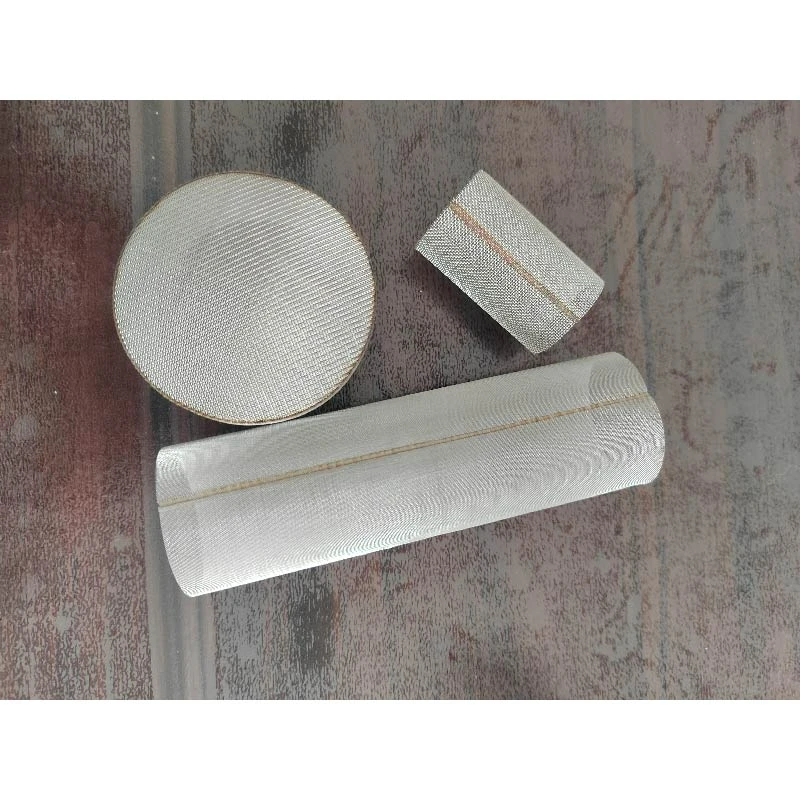
Final Shaping and Packaging: Depending on the intended use, the molybdenum mesh is cut into rolls, discs, or customized shapes.
In summary, molybdenum wire mesh represent the cutting edge of high-temperature and corrosion-resistant materials. With its superior strength, conductivity, and thermal stability, molybdenum is an irreplaceable element in advanced manufacturing, aerospace, and chemical processing.
By knowing what molybdenum does — strengthening alloys, resisting corrosion, and enabling operations in extreme conditions — industries can leverage this exceptional material for innovation and reliability.
Whether used for furnace components, electronic devices, or filtration systems, molybdenum wire mesh continues to define excellence in engineering performance and material science.
-
-
-
-
-
-
-
-
-
-
-
-
-
-
-
-