

Talk to Us
+86 13633281999
Email Address
ada@xingxinwiremesh.com- Afrikaans
- Albanian
- Amharic
- Arabic
- Armenian
- Azerbaijani
- Basque
- Belarusian
- Bengali
- Bosnian
- Bulgarian
- Catalan
- Cebuano
- China
- China (Taiwan)
- Corsican
- Croatian
- Czech
- Danish
- Dutch
- English
- Esperanto
- Estonian
- Finnish
- French
- Frisian
- Galician
- Georgian
- German
- Greek
- Gujarati
- Haitian Creole
- hausa
- hawaiian
- Hebrew
- Hindi
- Miao
- Hungarian
- Icelandic
- igbo
- Indonesian
- irish
- Italian
- Japanese
- Javanese
- Kannada
- kazakh
- Khmer
- Rwandese
- Korean
- Kurdish
- Kyrgyz
- Lao
- Latin
- Latvian
- Lithuanian
- Luxembourgish
- Macedonian
- Malgashi
- Malay
- Malayalam
- Maltese
- Maori
- Marathi
- Mongolian
- Myanmar
- Nepali
- Norwegian
- Norwegian
- Occitan
- Pashto
- Persian
- Polish
- Portuguese
- Punjabi
- Romanian
- Russian
- Samoan
- Scottish Gaelic
- Serbian
- Sesotho
- Shona
- Sindhi
- Sinhala
- Slovak
- Slovenian
- Somali
- Spanish
- Sundanese
- Swahili
- Swedish
- Tagalog
- Tajik
- Tamil
- Tatar
- Telugu
- Thai
- Turkish
- Turkmen
- Ukrainian
- Urdu
- Uighur
- Uzbek
- Vietnamese
- Welsh
- Bantu
- Yiddish
- Yoruba
- Zulu
Stainless Steel Mesh and Its Manufacturing Excellence
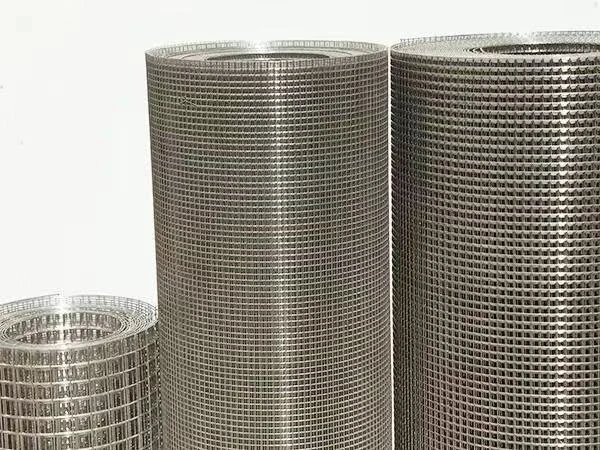
In modern industries, stainless steel mesh has become one of the most versatile and reliable materials for filtration, separation, screening, and architectural applications. Its strength, corrosion resistance, and adaptability make it an essential component in fields such as petrochemical processing, food production, mining, pharmaceuticals, and construction. Behind these high-performance materials stand professional stainless steel mesh manufacturers, who combine advanced technology with precision engineering to deliver durable and customizable mesh products.
The Role of a Professional Stainless Steel Mesh Manufacturer
A trusted stainless steel mesh manufacturer is more than just a supplier — it is a partner in quality assurance and engineering design. Professional manufacturers produce a wide range of stainless steel meshes in different specifications, thicknesses, and weaving patterns to meet the needs of various industries.
Manufacturers use advanced weaving machines and precision inspection systems to ensure accurate mesh openings, uniform wire diameters, and consistent strength. They can customize products according to filtration levels, tensile strength, and environmental resistance requirements.
Key services provided by top stainless steel mesh manufacturers include:
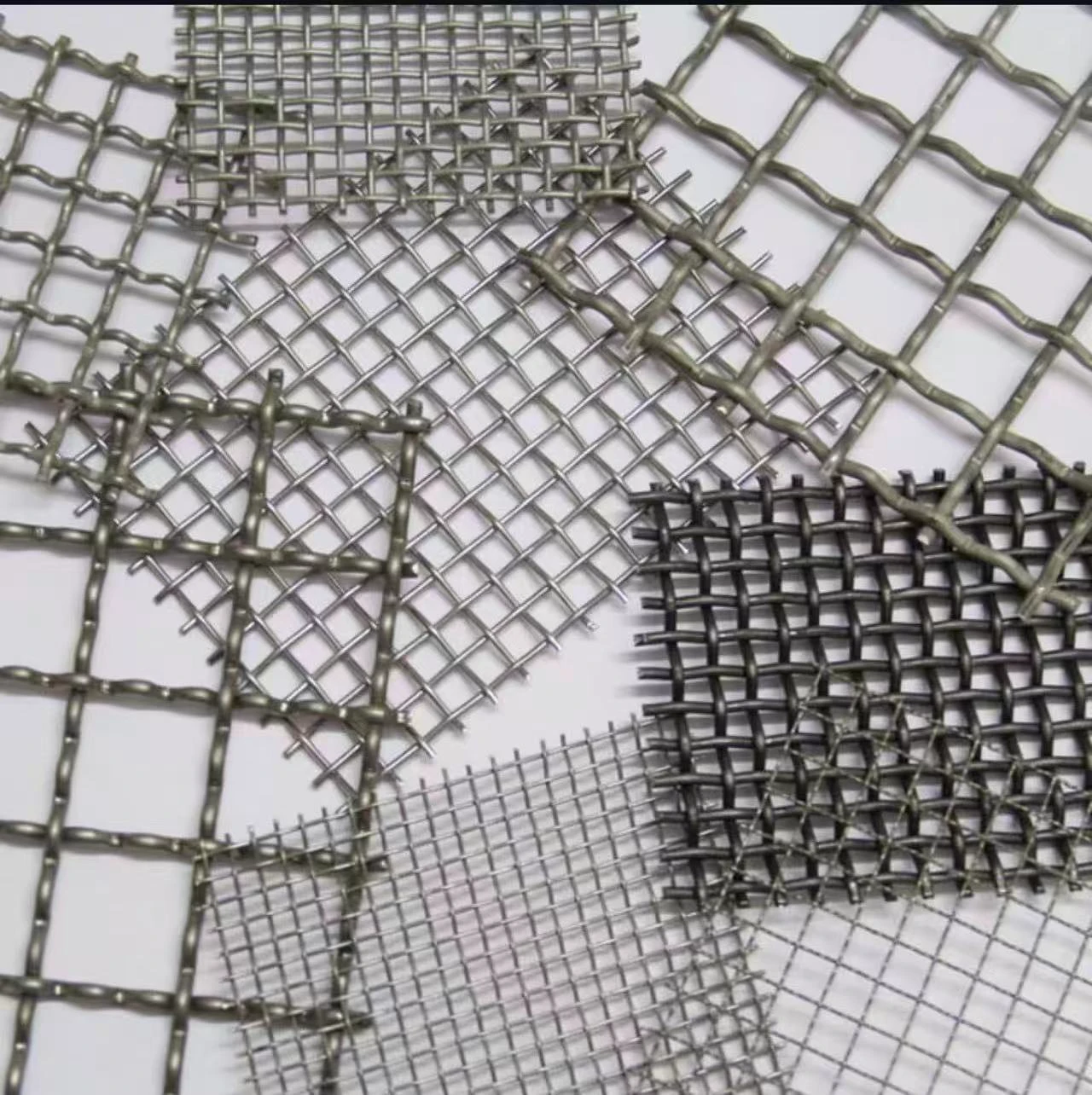
Precision weaving in plain, twilled, or Dutch patterns
Laser cutting, rolling, and edge welding
Surface treatments such as polishing or passivation
Custom dimensions for industrial, laboratory, or architectural use
Reliable manufacturers not only ensure high product quality but also provide technical consultation, helping customers select the most suitable stainless steel wire mesh material based on the intended application and operating environment.
Understanding Stainless Steel Wire Mesh Material
The core of every durable screen or filter lies in its stainless steel wire mesh material. Different grades of stainless steel offer various levels of corrosion resistance, mechanical strength, and heat tolerance.
Common stainless steel grades used in wire mesh production include:
SS304: The most popular and cost-effective option. It provides excellent corrosion resistance for general applications in food, chemical, and architectural industries.
SS316: Contains molybdenum for enhanced resistance to acids, salts, and chlorides. Ideal for marine or chemical environments.
SS310 & SS321: Suitable for high-temperature applications due to their oxidation resistance.
SS430: A ferritic grade used for non-corrosive indoor environments where magnetic properties are required.
Choosing the correct stainless steel wire mesh material ensures long-lasting performance and reduces maintenance costs, especially in challenging or corrosive conditions.
What Is Stainless Steel Woven Cloth?
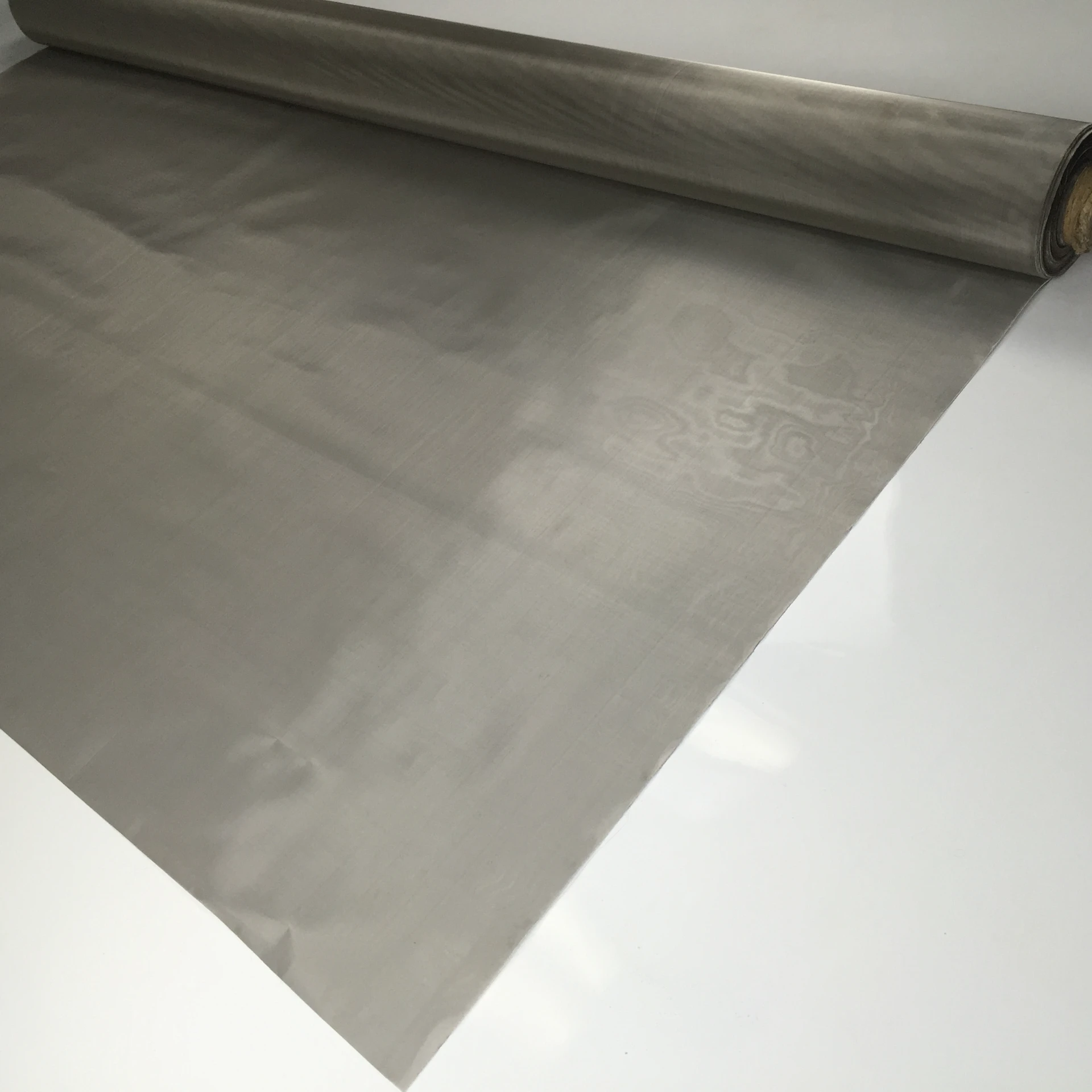
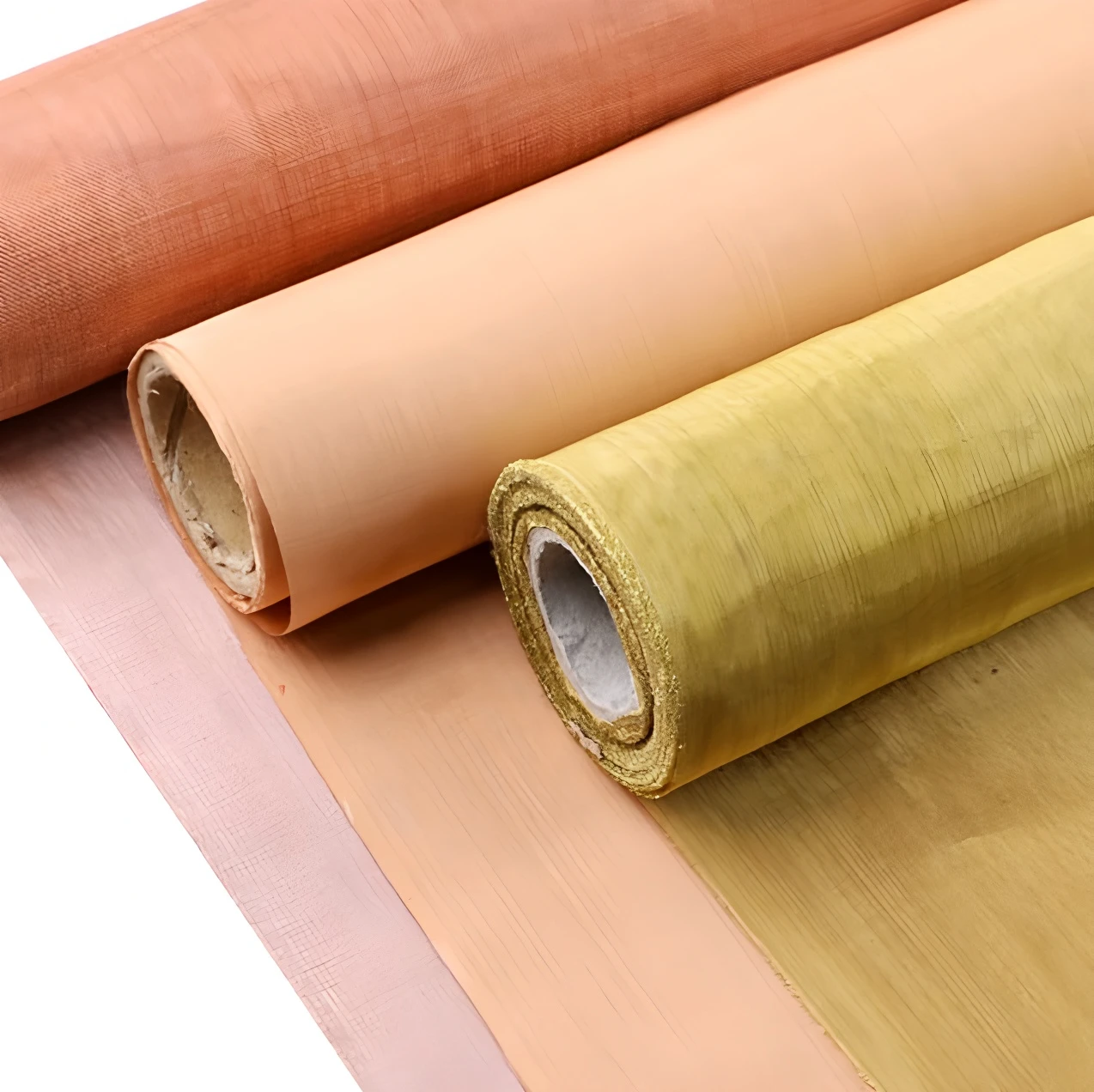
Stainless steel woven cloth is a flexible, fine-weave mesh made from interlaced stainless steel wires. It is typically used for sieving, filtration, and protective applications that require high precision and cleanliness.
The weaving process determines the mesh’s strength, stability, and filtration accuracy. In a woven structure, each wire crosses over and under another wire in a repeating pattern, creating a stable and uniform mesh surface.
Applications of stainless steel woven cloth include:
Fine particle filtration in laboratories and chemical plants
Dust and gas filtration in industrial processing
Mesh linings in food processing and pharmaceutical production
Insect screening, architectural decoration, and acoustic panels
Because it is flexible yet strong, stainless steel woven cloth is easy to cut, shape, and weld into complex components. It resists rust, oxidation, and deformation even after long-term use under high stress or temperature.
Stainless Steel Woven Screen for Industrial and Architectural Use
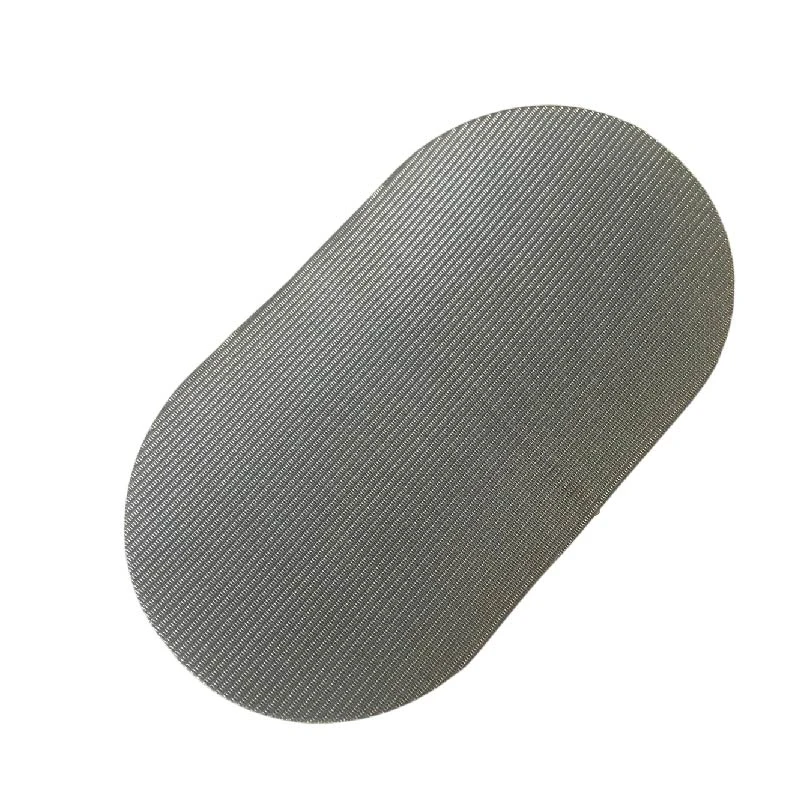
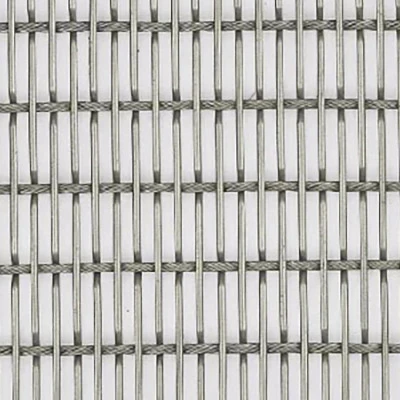
Stainless steel woven screen refers to mesh panels designed for mechanical strength and precise screening functions. Unlike fabric-like woven cloth, screens are typically stiffer and are used for heavy-duty separation, grading, and filtration tasks.
Industrial applications:
Mining and quarrying: separating gravel, sand, and minerals
Chemical industry: filtration and catalyst support layers
Oil and gas: screening in drilling mud systems
Food and beverage: filtering liquids, powders, and grains
Architectural applications:
Building facades and sunshade panels
Interior partitions and ceiling decorations
Security screens for doors and windows
The smooth surface and metallic texture of stainless steel woven screens also provide modern aesthetic appeal. Their reflective, elegant appearance complements both contemporary and industrial design themes, while their corrosion resistance ensures long-term durability.
Plain Weave Stainless Steel Wire Mesh — The Most Common Weaving Pattern
Among all mesh types, plain weave stainless steel wire mesh is the most widely used due to its simple yet effective structure. In a plain weave, each weft wire crosses alternately over and under each warp wire, forming a uniform grid with consistent openings.
Features of plain weave stainless steel wire mesh:
Stable and balanced structure with high strength
Uniform mesh openings for accurate filtration
Easy to cut, clean, and fabricate
Available in a wide range of mesh counts (from coarse to ultra-fine)
Applications:
Liquid and gas filtration
Screening of powders and granular materials
Protective covers for machinery
Ventilation panels and acoustic barriers
Because of its versatility, plain weave stainless steel wire mesh is often the first choice in industries such as chemical engineering, petroleum refining, food processing, and environmental protection.
Manufacturing Process of Stainless Steel Woven Cloth and Screen
The production of stainless steel woven cloth and woven screens requires high-precision machinery and strict quality control. The process typically involves:
Wire Drawing: Stainless steel rods are drawn into fine wires of consistent diameter.
Annealing: The wires are heat-treated to enhance ductility and reduce brittleness.
Weaving: The wires are interlaced using specialized looms in plain, twilled, or Dutch weave patterns.
Surface Treatment: Cleaning and polishing remove oil, oxides, and contaminants.
Inspection and Cutting: Each roll or sheet undergoes quality checks for mesh uniformity, tensile strength, and dimensional accuracy.
Advanced stainless steel mesh manufacturers use automated looms and optical inspection systems to guarantee uniform mesh openings and stable mechanical performance.
Advantages of Choosing Stainless Steel Woven Mesh Products
Whether in woven cloth, woven screen, or plain weave stainless steel wire mesh, the benefits of using stainless steel material are consistent and significant:
Corrosion and Heat Resistance: Perfect for high-temperature or corrosive environments.
High Strength-to-Weight Ratio: Durable yet lightweight, allowing flexible applications.
Clean and Hygienic Surface: Ideal for food, pharmaceutical, and cleanroom environments.
Long Service Life: Resistant to rust and wear, reducing replacement frequency.
Eco-Friendly and Recyclable: 100% recyclable, supporting sustainable development goals.
These advantages make stainless steel woven products an optimal choice for industries requiring both reliability and cleanliness.
Quality Control by Stainless Steel Mesh Manufacturers
Quality assurance is critical for every stainless steel mesh manufacturer. Each production stage — from material selection to final inspection — must adhere to international standards such as ISO 9001 or ASTM specifications.
Tests commonly performed include:
Wire diameter tolerance measurement
Mesh opening accuracy testing
Tensile and elongation tests
Corrosion resistance evaluation
Flatness and surface finish inspection
Through rigorous quality control, manufacturers ensure that stainless steel woven cloth and woven screen products meet the most demanding technical requirements for global industries.
-
-
-
-
-
-
-
-
-
-
-
-
-
-
-
-