
Talk to Us
+86 13633281999
Email Address
ada@xingxinwiremesh.comComprehensive Guide to Screen Stainless Steel Mesh Applications and Material Selection
Understanding Screen Stainless Steel Mesh: Applications and Benefits
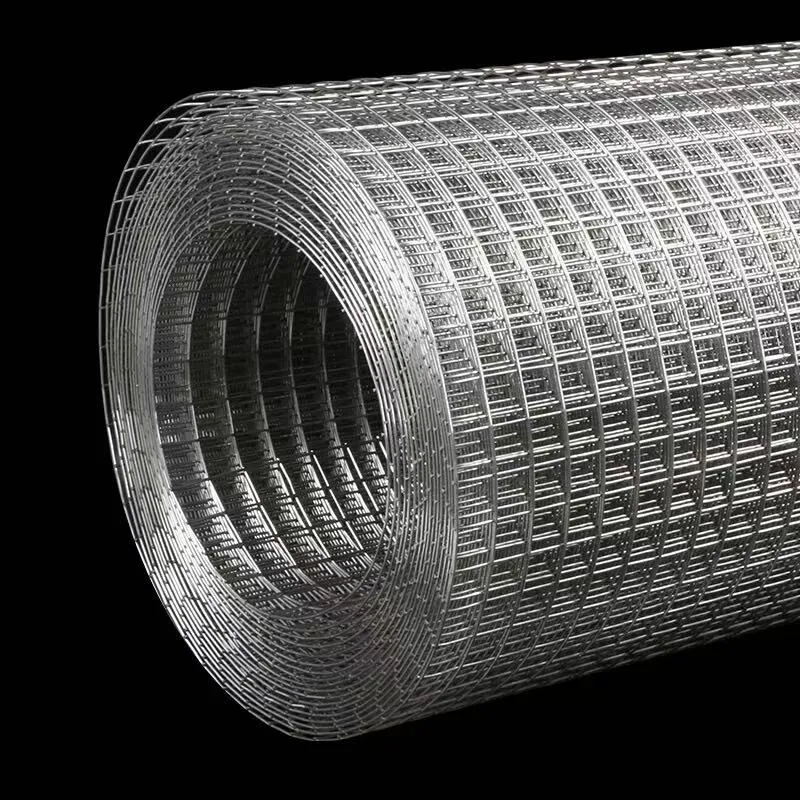
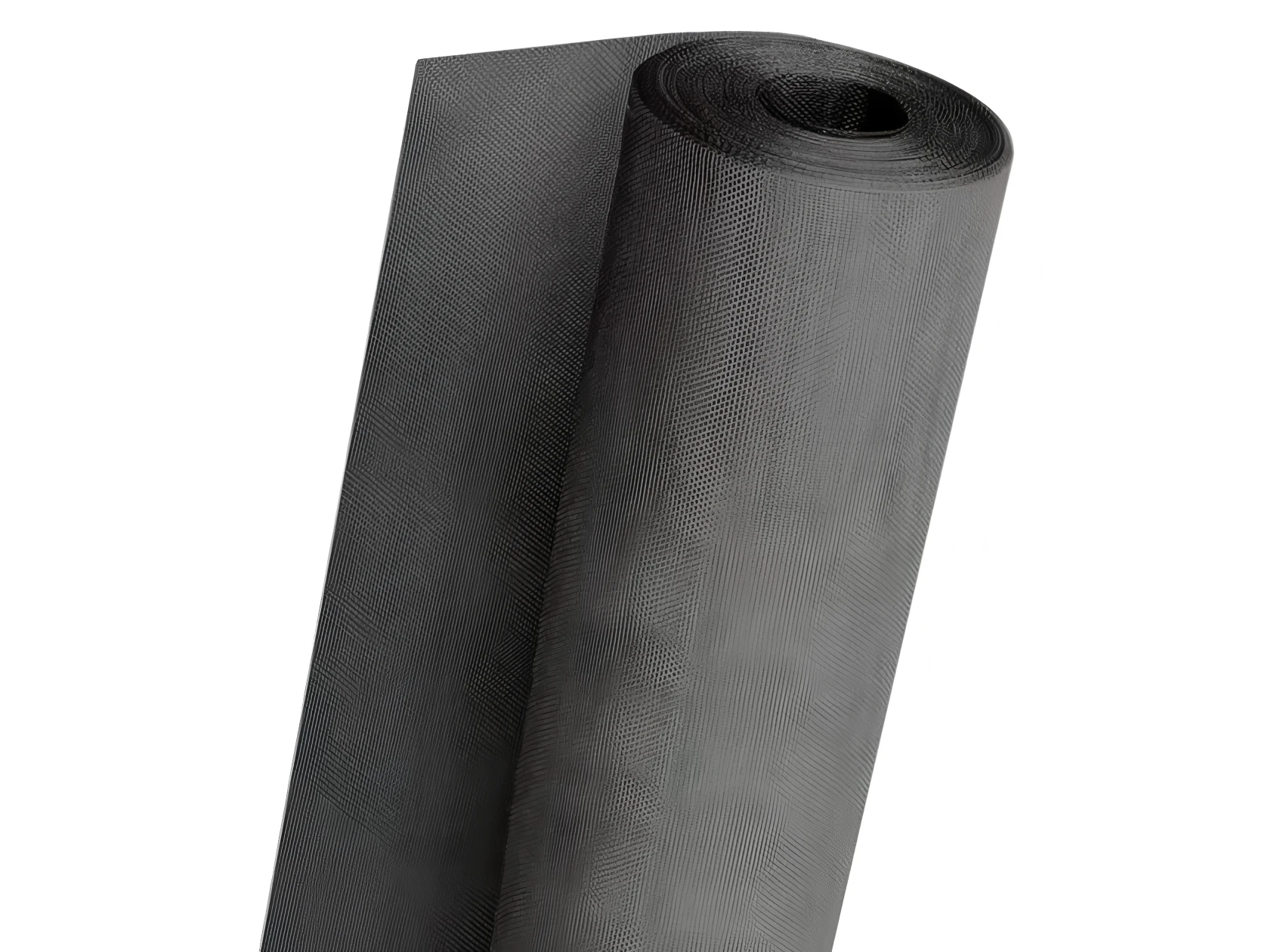
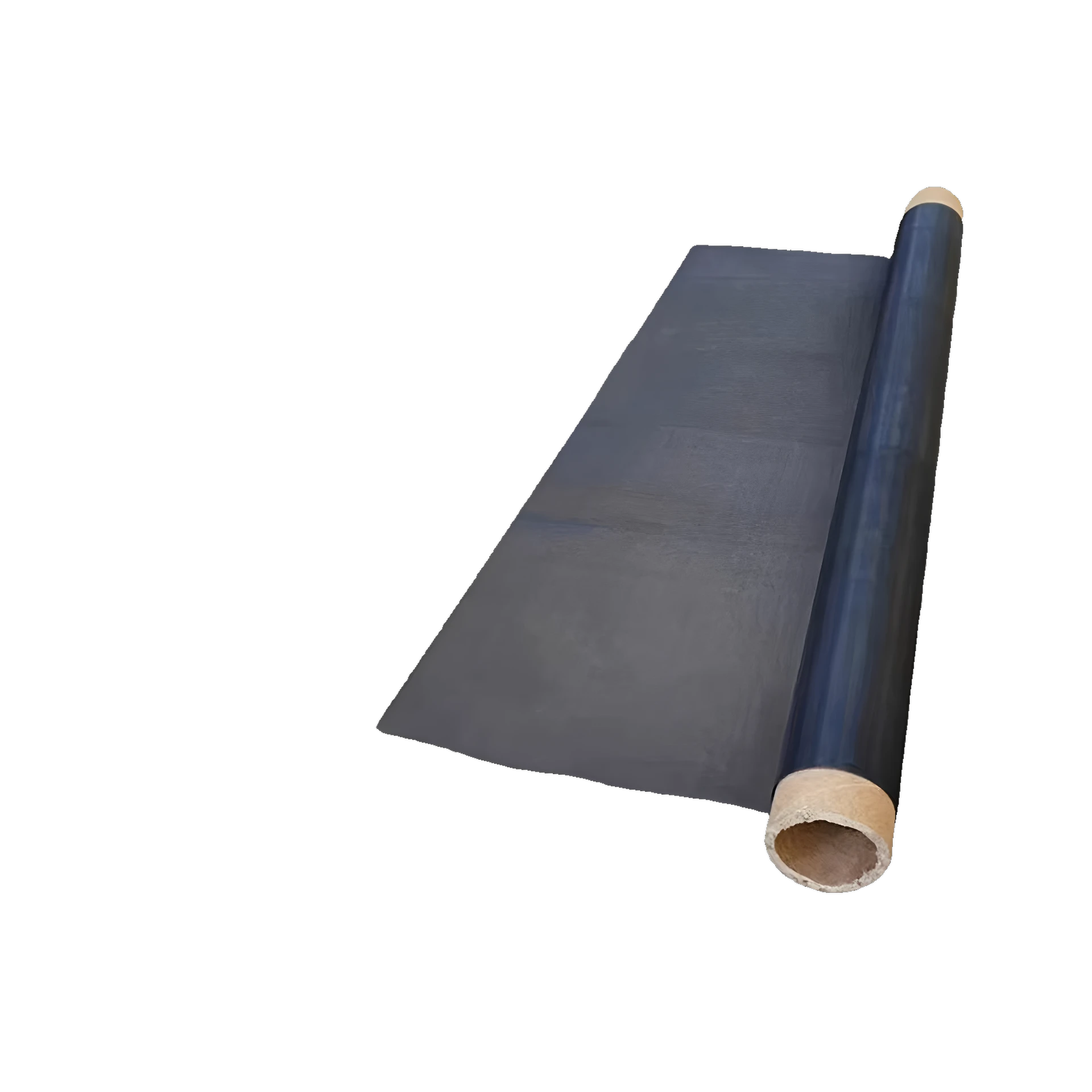
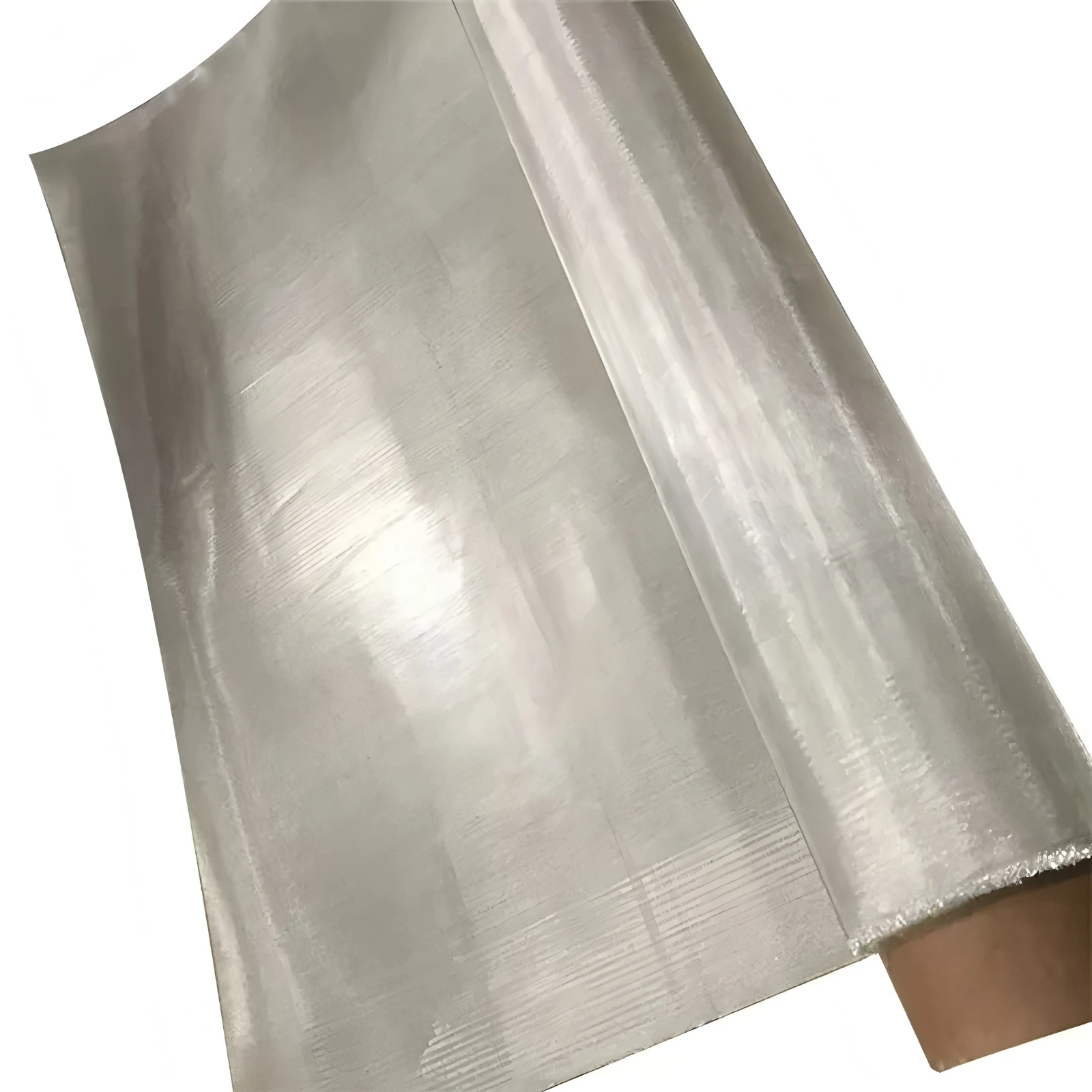
Screen stainless steel mesh is a versatile material used across a wide spectrum of industries due to its durability, corrosion resistance, and precise filtration capabilities. From industrial filtration to security screens, understanding its properties and applications is crucial. This article provides a comprehensive overview of screen stainless steel mesh, covering its key features, common uses, material grades, and considerations for choosing the right mesh for your needs. Whether you’re involved in water treatment, food processing, or architectural design, this guide will offer valuable insights into this essential material.
Key Properties of Screen Stainless Steel Mesh
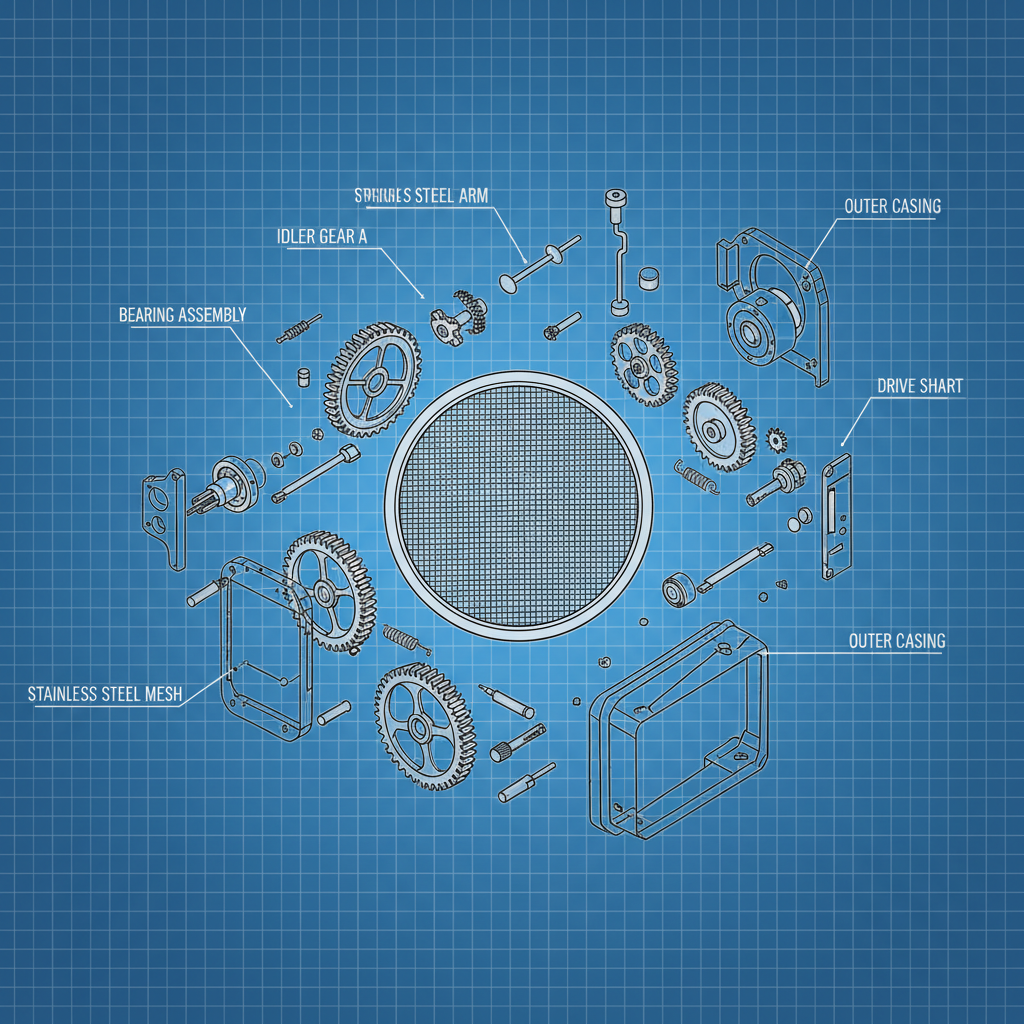
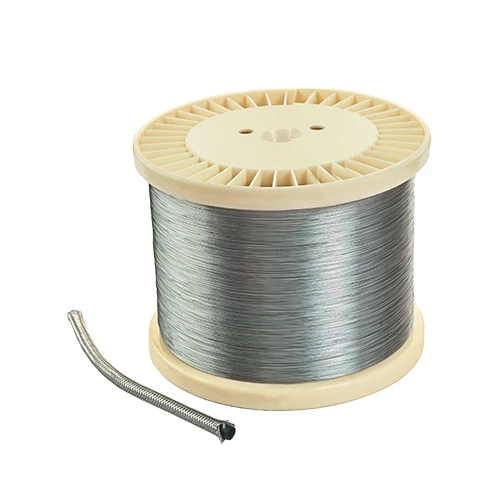
The inherent qualities of stainless steel make it an ideal material for screen mesh. Its exceptional corrosion resistance ensures longevity even in harsh environments. Different grades of stainless steel offer varying levels of resistance to acids, alkalis, and chlorides. The material’s strength and durability allow it to withstand high pressures and temperatures. Importantly, stainless steel is hygienic, making it suitable for food and pharmaceutical applications. The precise weaving process allows for tightly controlled mesh apertures, providing consistent and reliable filtration. Furthermore, stainless steel screen mesh can be easily cleaned and sterilized.
Key Highlights: Exceptional corrosion resistance, high strength & durability, hygienic properties, and precise filtration capabilities.
Common Applications of Screen Stainless Steel Mesh
The versatility of stainless steel screen mesh leads to its wide adoption across many industries. In water treatment, it serves as a crucial component in filters for removing sediment and impurities. Food processing utilizes it for separating, sizing, and draining materials. Pharmaceutical companies rely on its hygienic properties for filtering and sterilizing liquids. Architectural applications include security screens, decorative panels, and insect protection. Industrial uses encompass vibration screening, aggregate separation, and chemical processing. The material also finds application in aerospace for specialized filtration needs.
Application Areas:
• Water Treatment
• Food & Beverage Processing
• Pharmaceutical Manufacturing
• Architectural Design
Screen Stainless Steel Mesh: A Grade Comparison
Different grades of stainless steel offer varying properties suited to specific applications. 304 stainless steel is the most common grade, providing excellent corrosion resistance for general-purpose use. 316 stainless steel offers superior resistance to chlorides and is often used in marine environments. 304L and 316L grades have lower carbon content, minimizing weld decay. Selecting the appropriate grade is crucial for ensuring long-term performance and preventing corrosion-related failures. Consider the specific chemicals and environmental conditions the mesh will be exposed to when making your selection. Xingxin Wire Mesh offers a comprehensive range of stainless steel mesh grades.
Weave Types & Mesh Count
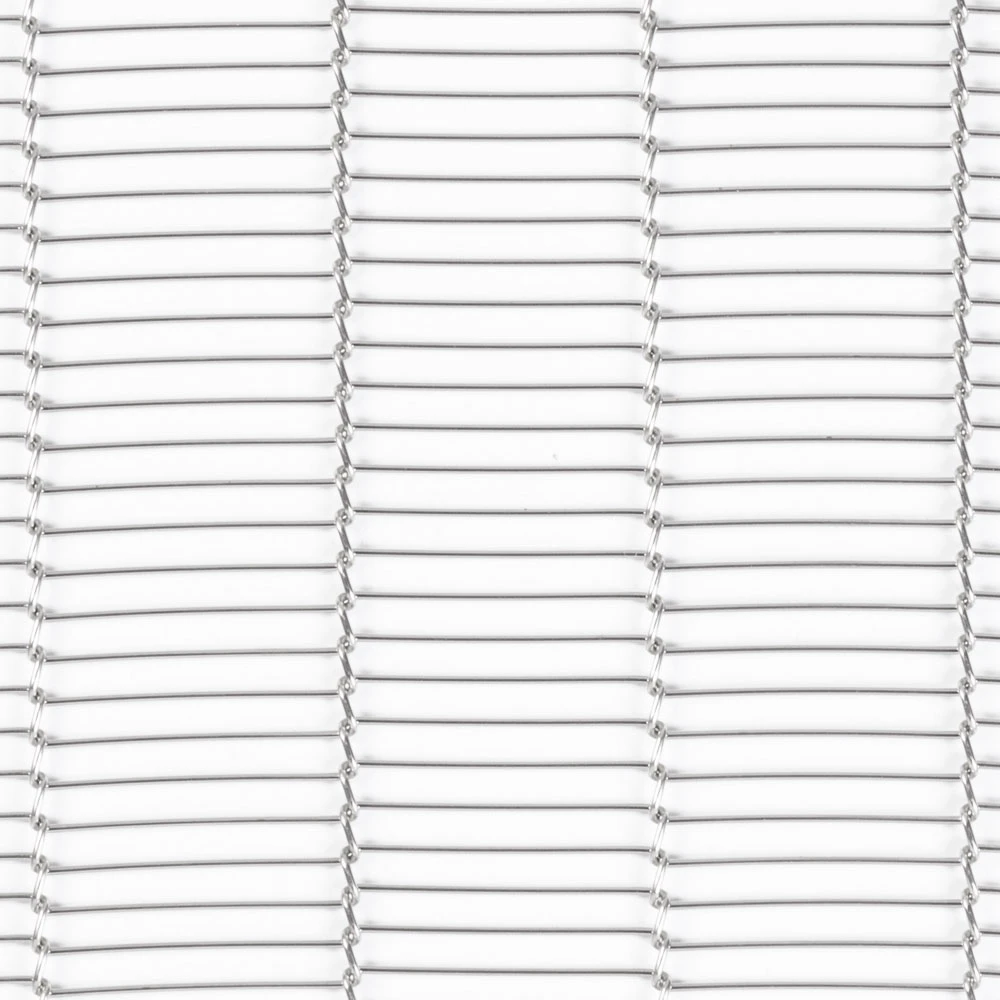
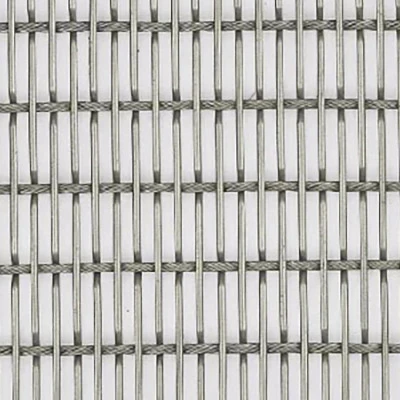
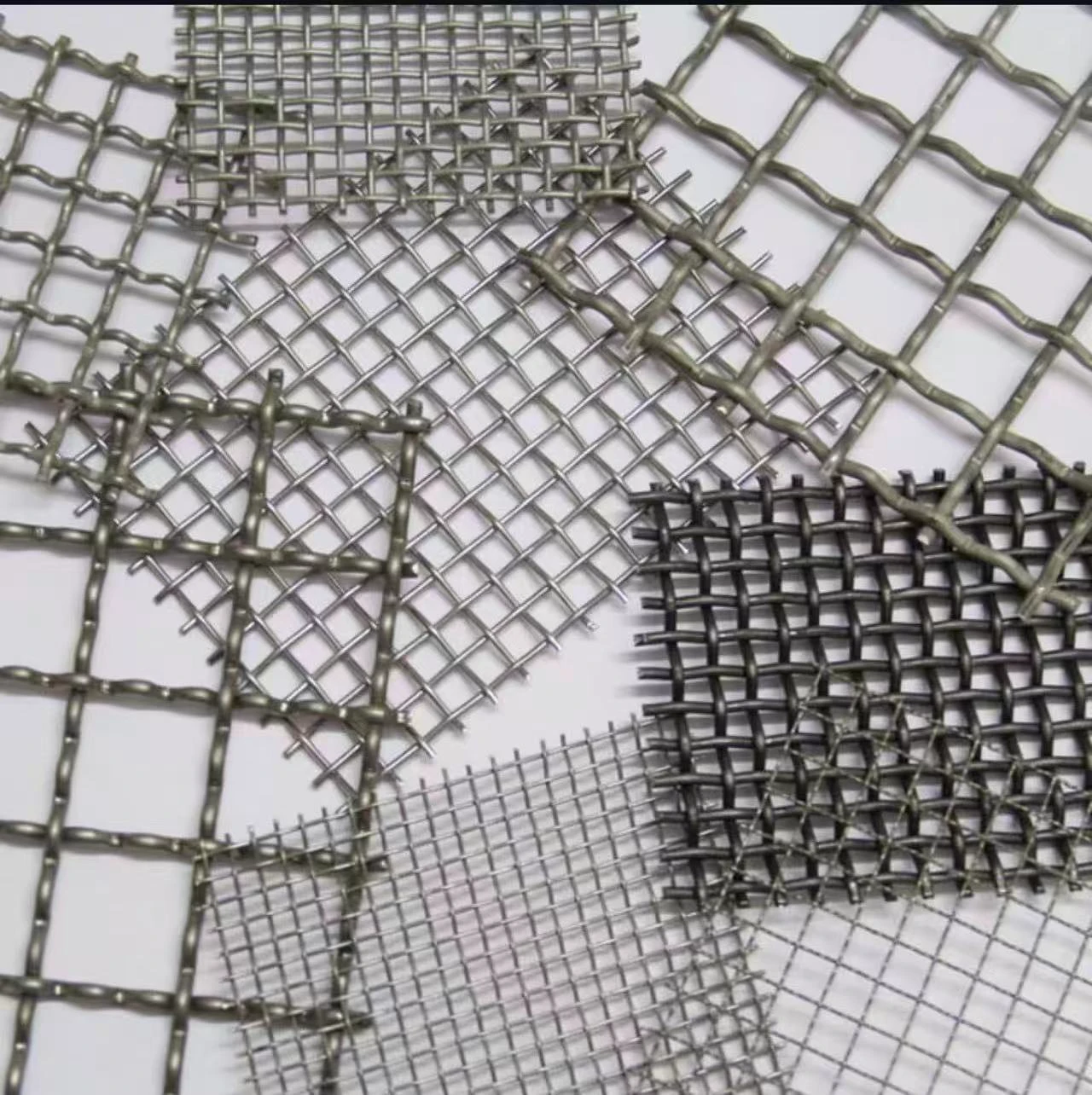
The weave pattern and mesh count significantly impact the screen's functionality. Plain weave is the most common, offering good strength and stability. Twilled weave provides a tighter mesh with increased flexibility. Dutch weave features alternating warp and weft wires, creating a porous structure ideal for filtration. Mesh count, measured in meshes per inch (MPI), determines the size of the openings. Higher mesh counts correspond to smaller openings and finer filtration. Selecting the correct weave type and mesh count is essential for achieving optimal performance in your application. Xingxin Wire Mesh can assist you in determining the best specifications for your needs.
Choosing the Right Stainless Steel Screen Mesh: Key Considerations
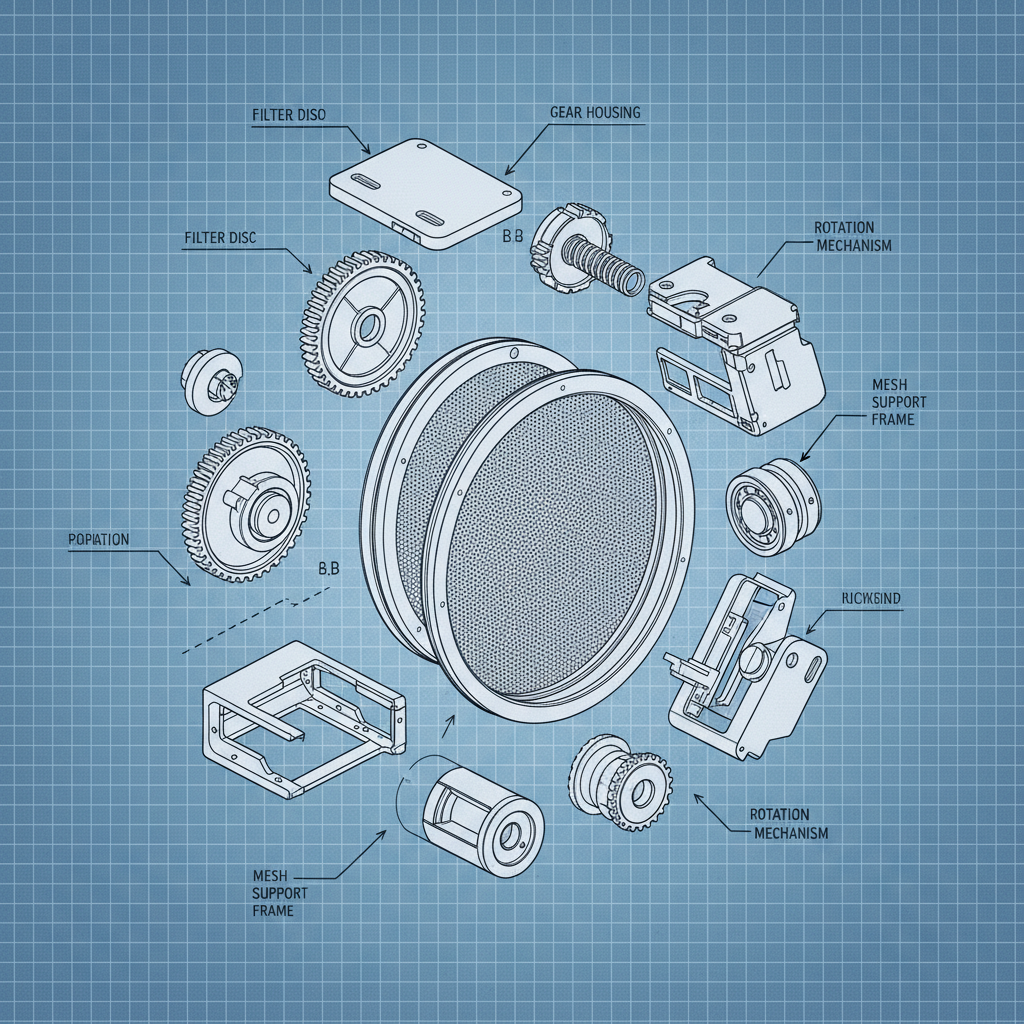
When selecting screen stainless steel mesh, consider the application requirements, environmental conditions, and desired filtration performance. Evaluate the necessary corrosion resistance based on the exposure to chemicals and moisture. Determine the appropriate mesh count to achieve the desired particle retention. Choose the weave type based on the required flexibility and flow rate. Finally, select the correct grade of stainless steel for optimal durability and longevity. Consulting with a reputable supplier like Xingxin Wire Mesh can ensure you obtain the best product for your specific needs.
Conclusion: The Versatility and Reliability of Stainless Steel Screen Mesh
Stainless steel screen mesh provides a robust and reliable solution for a wide range of filtration and screening applications. Its corrosion resistance, durability, and customizable properties make it a preferred choice across various industries. By carefully considering the specific requirements of your project and selecting the appropriate grade, weave type, and mesh count, you can maximize the performance and longevity of your mesh investment. Xingxin Wire Mesh is your trusted partner for high-quality stainless steel mesh solutions.
Frequently Asked Questions (FAQs)
What is the difference between 304 and 316 stainless steel mesh?
The primary difference lies in their corrosion resistance. 304 stainless steel is excellent for general-purpose applications, while 316 contains molybdenum, which significantly enhances its resistance to chlorides, making it ideal for marine environments, chemical processing, and applications exposed to saltwater. 316 is more expensive than 304, so choose based on the specific corrosive environment. If chloride exposure is a concern, 316 is the preferred choice.
How do I determine the correct mesh count for my application?
The correct mesh count depends on the size of the particles you need to filter or separate. The higher the mesh count, the smaller the openings. Start by identifying the particle size you want to retain. It’s often advisable to choose a mesh count slightly smaller than the particle size to ensure effective filtration. Consider the potential for clogging and select a mesh count that balances filtration efficiency with flow rate.
What are the common weave types for stainless steel mesh?
The most common weave types are plain weave, twilled weave, and Dutch weave. Plain weave is versatile and cost-effective. Twilled weave offers a tighter mesh and more flexibility. Dutch weave has alternating warp and weft wires, creating a more porous structure suitable for high-flow filtration. The best weave type depends on your specific application requirements.
Can stainless steel mesh be cut to custom sizes?
Yes, stainless steel mesh can be cut to custom sizes using specialized equipment. Xingxin Wire Mesh offers custom cutting services to meet your exact specifications. We can provide cuts to precise dimensions and can also fabricate the mesh into various shapes and forms.
-
-
-
-
-
-
-
-
-
-
-
-
-
-
-
-