

Talk to Us
+86 13633281999
Email Address
ada@xingxinwiremesh.comComprehensive Guide to 316l Stainless Steel Mesh for Industrial Applications | Xingxin Wire Mesh
316l Stainless Steel Mesh is a key solution in the industry, specifically within filtration, separation, and protective applications. This article explores how https://www.xingxinwiremesh.com supports professionals with durable, high-performance products and explains why this product is an ideal choice for businesses in these sectors.
Table of Contents
- 316l Stainless Steel Mesh Overview
- Benefits & Use Cases of 316l Stainless Steel Mesh
- Cost, Maintenance & User Experience
- Sustainability & Market Trends
316l Stainless Steel Mesh Overview
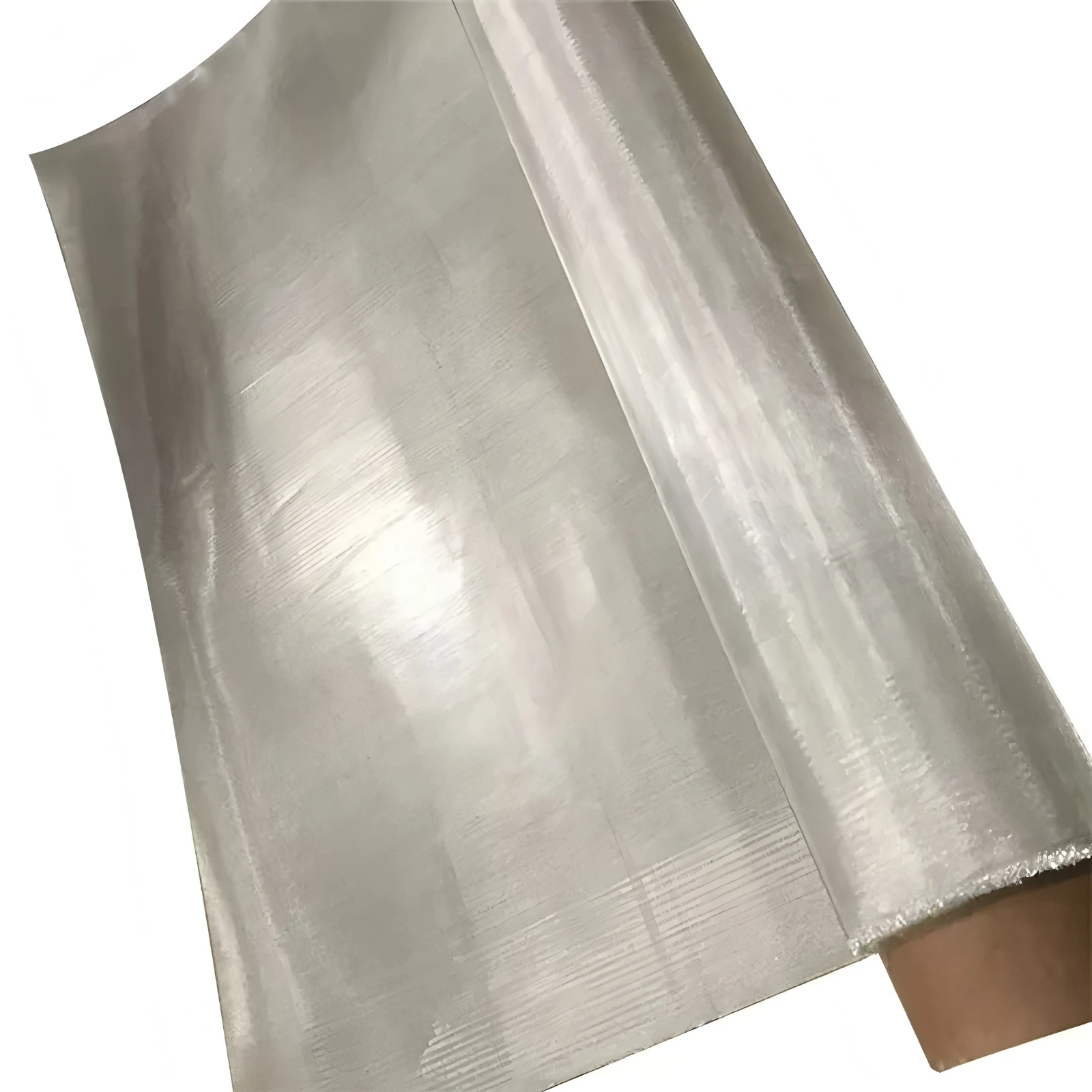
316l Stainless Steel Mesh is crafted from low-carbon 316 stainless steel, prized for its excellent corrosion resistance and durability. Frankly, it’s the go-to choice when exposure to marine environments, chemicals, or high temperatures is involved. Businesses looking for a mesh that can handle industrial wear and tear without rusting or losing strength often turn to this alloy. It feels like an industry-standard for tough filtration, protective barriers, and reinforcement tasks.
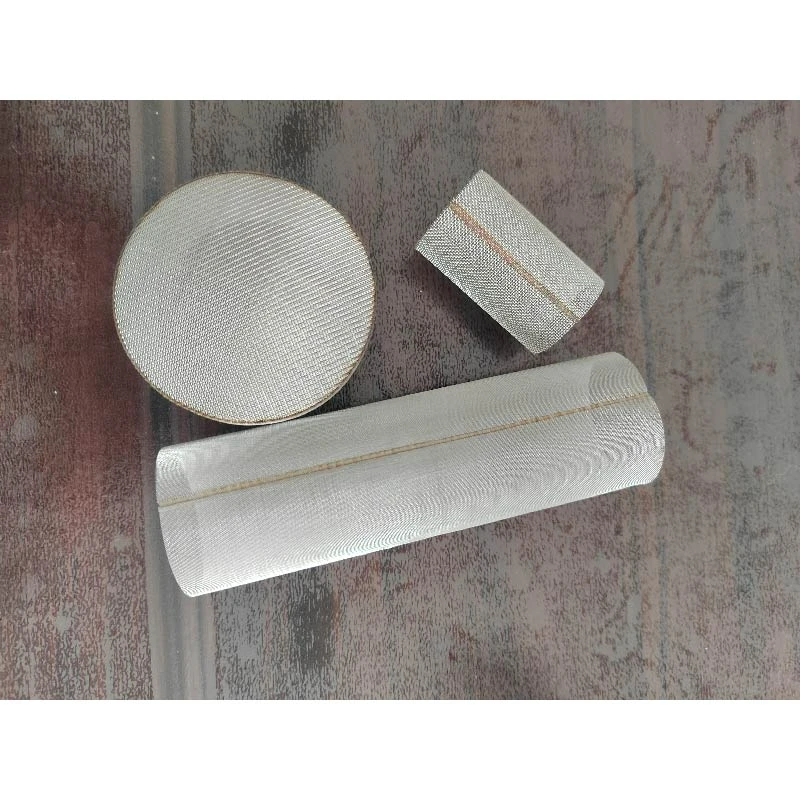
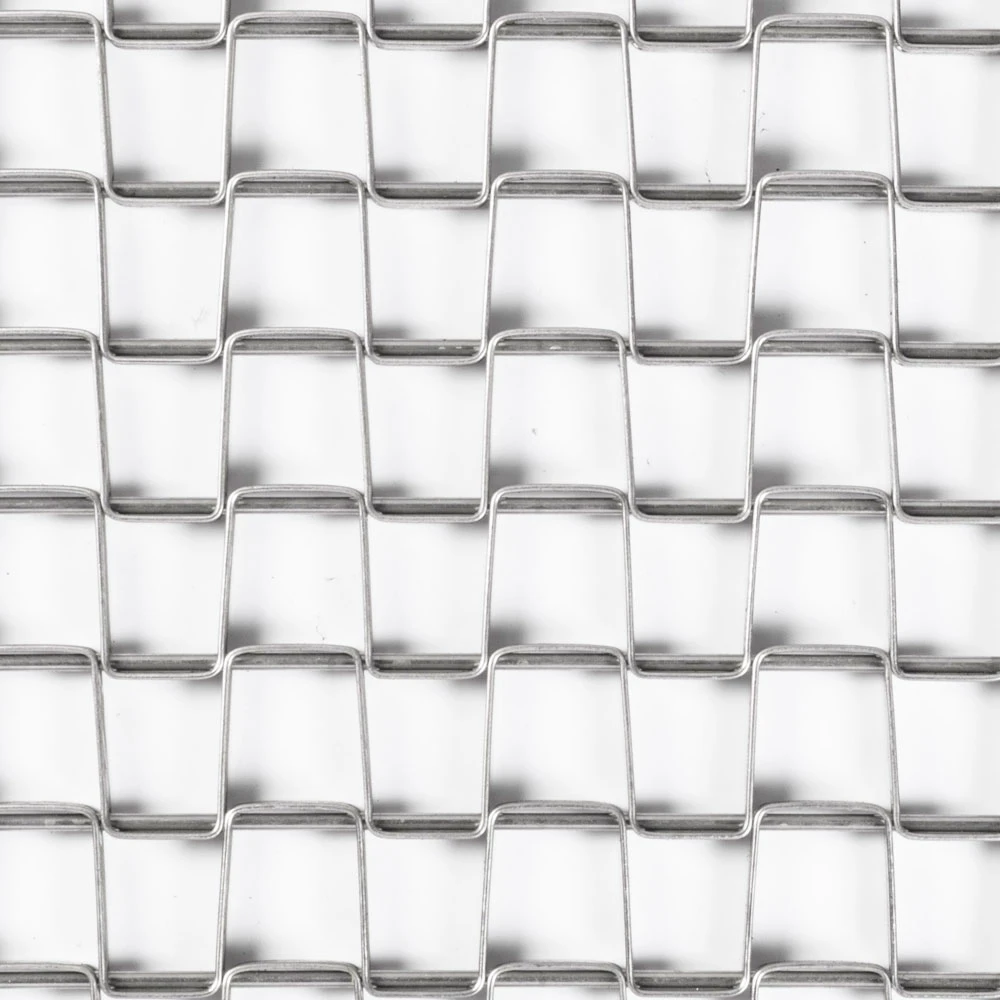
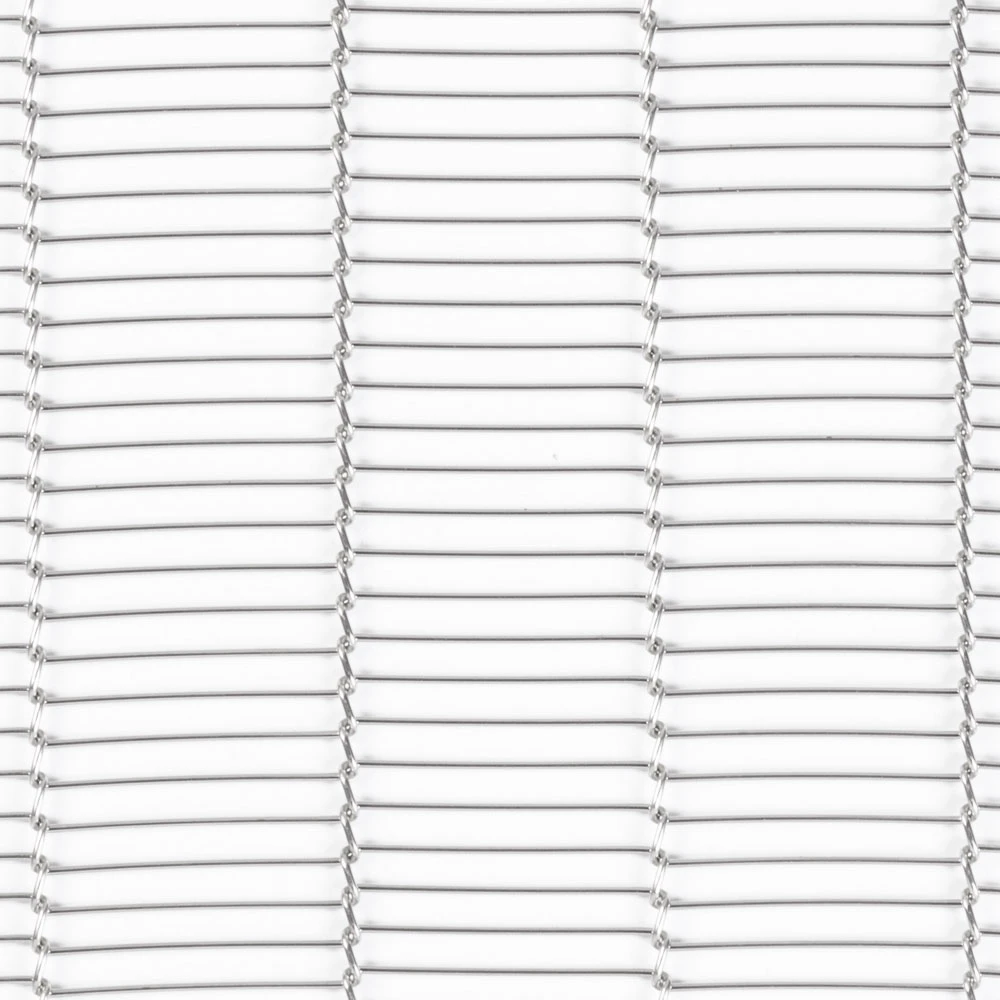
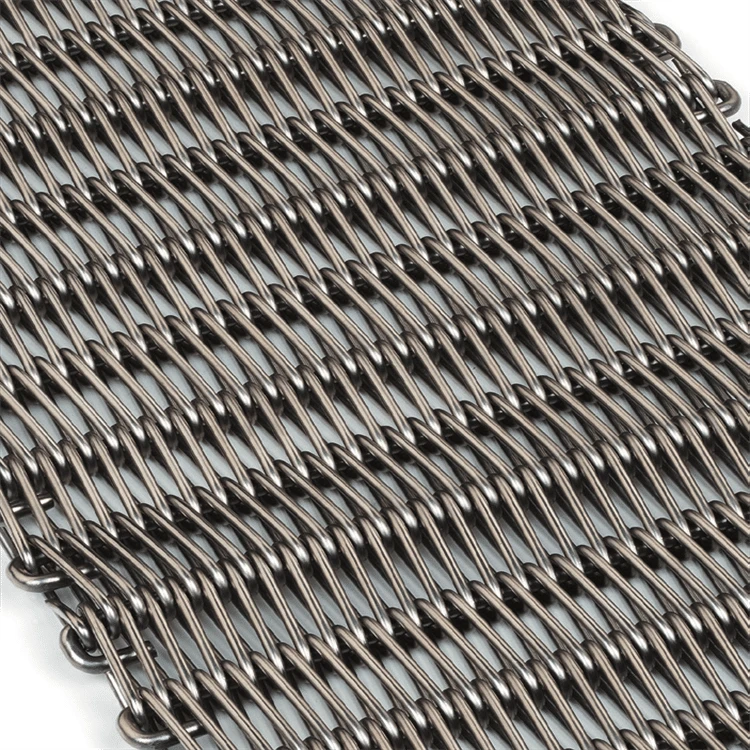
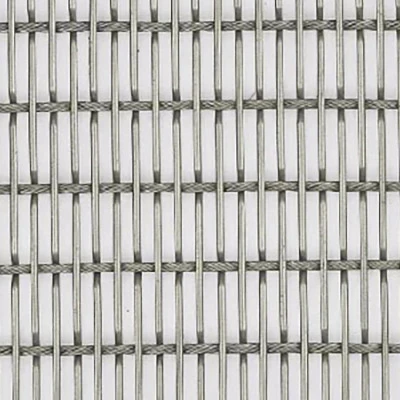
Technically, 316l features a molybdenum addition, boosting resistance to pitting and crevice corrosion — things that would otherwise make a regular stainless mesh brittle over time. The mesh structure varies in weave tightness and wire diameter, which impacts filtration precision and mechanical strength. Xingxin Wire Mesh offers custom options, but here’s a quick specs snapshot:
| Specification | Details |
|---|---|
| Material Grade | 316L Stainless Steel (Low Carbon) |
| Wire Diameter | 0.05mm to 2mm |
| Mesh Size | 1 to 300 mesh |
| Weave Types | Plain, Twill, Dutch |
| Max Roll Width | 2 meters |
Benefits & Use Cases of 316l Stainless Steel Mesh
If you're in industries like chemical processing, food & beverage, pharmaceuticals, or even petrochemicals, 316l stainless steel mesh is often your best pal. Its resistance to acids, chlorides, and saltwater environments means it can be deployed as filters, strainers, safety guards, and even in architectural cladding where longevity matters.
One advantage worth mentioning is its flexibility—you can choose from various mesh sizes to filter particles down to micro-level impurities without compromising strength. Compared to other stainless grades, 316l balances cost and performance—critical when budgeting is tight but failure is not an option.
Moreover, companies often praise its compatibility with customization demands: woven tighter, flattened wire for smoother surfaces, or crimped to enhance rigidity. Oddly enough, this mesh often serves as a “silent worker,” rarely grabbing headlines but silently ensuring machinery runs clean and products meet strict quality standards.
Cost, Maintenance & User Experience
On the surface, 316l stainless steel mesh might seem like an investment compared to plain carbon steel alternatives, but when you factor in lifespan, maintenance, and downtime, it’s a game-changer. Its low maintenance needs and corrosion resistance mean fewer replacements and less costly repairs on equipment downstream.
Several clients from petrochemical plants and water treatment facilities have shared insights that, for them, the return on investment comes from reducing unexpected failures and maintaining product purity. With less frequent cleaning or replacement cycles, operational efficiency improves, and that saves budgets in the long haul. You could say the mesh pays for itself—and then some.
In terms of user experience, engineers appreciate the consistent quality from reliable suppliers like Xingxin. There’s always a sense of trust with these products, which is critical when your process outcome depends so heavily on filtration and protection. You can almost tell the difference when a supplier cares about specs and delivery timelines.
Sustainability & Market Trends
The manufacturing sector is evolving, and sustainability isn't just a buzzword—it’s a requirement. The good news is that 316l Stainless Steel Mesh aligns well with green manufacturing initiatives. Stainless steel is 100% recyclable, and its durability reduces waste from frequent replacements. This meshes nicely with circular economy goals.
Industry regulations are tightening around materials that come into direct contact with food or pharmaceuticals, meaning 316l’s proven biocompatibility and resistance to contamination make it more relevant every year. Meanwhile, the demand for high-quality filtration solutions is growing, driven by expanding industrial applications in regions like Southeast Asia and the Middle East.
Oddly enough, I find many firms still underestimate how strategic choosing the right wire mesh grade can help future-proof their supply chain—especially in terms of regulatory compliance and sustainability reporting. It’s a bit like insurance that also boosts operational efficiency.
| Vendor | Product Range | Customization Options | Lead Time | Typical Clients |
|---|---|---|---|---|
| Xingxin Wire Mesh | Wide (1-300 mesh, multiple weaves) | Wire diameter, weaving, finishes | 2–4 weeks | Chemical, Filtration, Construction |
| Competitor A | Moderate (10-200 mesh) | Limited customization | 3–6 weeks | Food, HVAC |
| Competitor B | Narrow (50-150 mesh) | None | 1–3 weeks | Industrial filters |
Frequently Asked Questions about 316l Stainless Steel Mesh
- What is 316l Stainless Steel Mesh and how does it work?
- 316l Stainless Steel Mesh is a woven metal fabric made from low-carbon 316 grade stainless steel. Its fine, uniform weave acts as a barrier to particles, contaminants, or provide structural reinforcement, all while resisting corrosion and high temperatures.
- What are the main benefits of using 316l Stainless Steel Mesh in industrial applications?
- Key benefits include excellent corrosion resistance, longevity in harsh environments, customizable mesh sizes for precise filtration, and reduced maintenance costs thanks to its durability.
- How does 316l Stainless Steel Mesh compare to traditional alternatives?
- Compared to carbon steel or lower-grade stainless mesh, 316l offers superior resistance to chemical corrosion and temperature extremes. This translates into longer life spans and fewer replacements, despite an initially higher price point.
- What industries can benefit most from 316l Stainless Steel Mesh implementation?
- Industries such as chemical processing, petrochemical, food production, pharmaceutical manufacturing, and water treatment typically benefit from this mesh due to its reliability in filtration, shielding, and structural roles in demanding conditions.
Conclusion on 316l Stainless Steel Mesh from china
In closing, 316l Stainless Steel Mesh stands out as a robust, versatile solution for many demanding industrial scenarios. Its blend of corrosion resistance, strength, and adaptable specifications make it a wise choice for businesses seeking reliable filtration or protection. For B2B decision makers weighing quality against cost, it truly is an investment that pays off. For those ready to explore options, I’d suggest visiting Xingxin Wire Mesh where customization meets performance.
Reflecting on today’s industrial demands, 316l Stainless Steel Mesh strikes that rare balance between resilience and adaptability, befitting an ever-shifting global market. It’s just the kind of foundational element engineers quietly rely on, yet seldom boast about.
- ASTM International – Standards on Stainless Steel Types
- International Stainless Steel Forum – Market Reports 2023
- Xingxin Wire Mesh – Official Product Catalog and Technical Data
-
-
-
-
-
-
-
-
-
-
-
-
-
-
-
-