

Talk to Us
+86 13633281999
Email Address
ada@xingxinwiremesh.com316 Stainless Steel Security Screens | Durable & Corrosion-Resistant
316 Stainless Steel Security Screens: Durable Protection with Industrial Charm
Having spent well over a decade working hands-on in the industrial equipment space, I’ve come across all sorts of security solutions. But when it comes to screens that truly stand up to tough environmental challenges — none catch my eye quite like 316 stainless steel security screens.
Oddly enough, despite the ubiquity of stainless steel in industrial builds, the nuances of the 316 grade specifically tend to get overlooked by folks outside specialist circles. But frankly, it’s precisely these details that make a big difference in real-world performance—especially when you’re dealing with coastal regions, chemical plants, or anywhere corrosive elements lurk.
In simple terms, 316 stainless steel contains molybdenum, which gives it superior corrosion resistance compared to the more common 304 grade. This means the mesh maintains its integrity much longer, even when exposed to salt spray, acidic environments, or high humidity. I’ve seen many installations where screens made from 304 stainless couldn't hold up beyond a couple of years — 316 is in a league of its own.
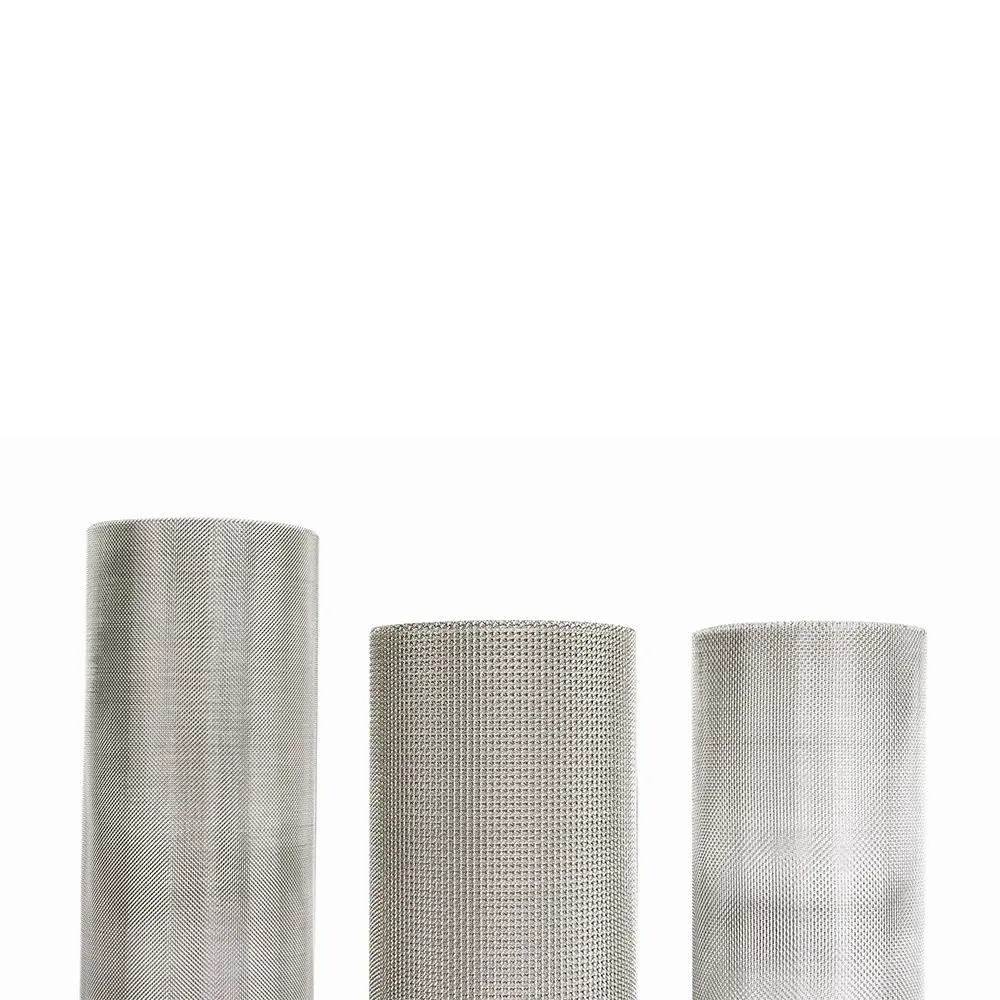
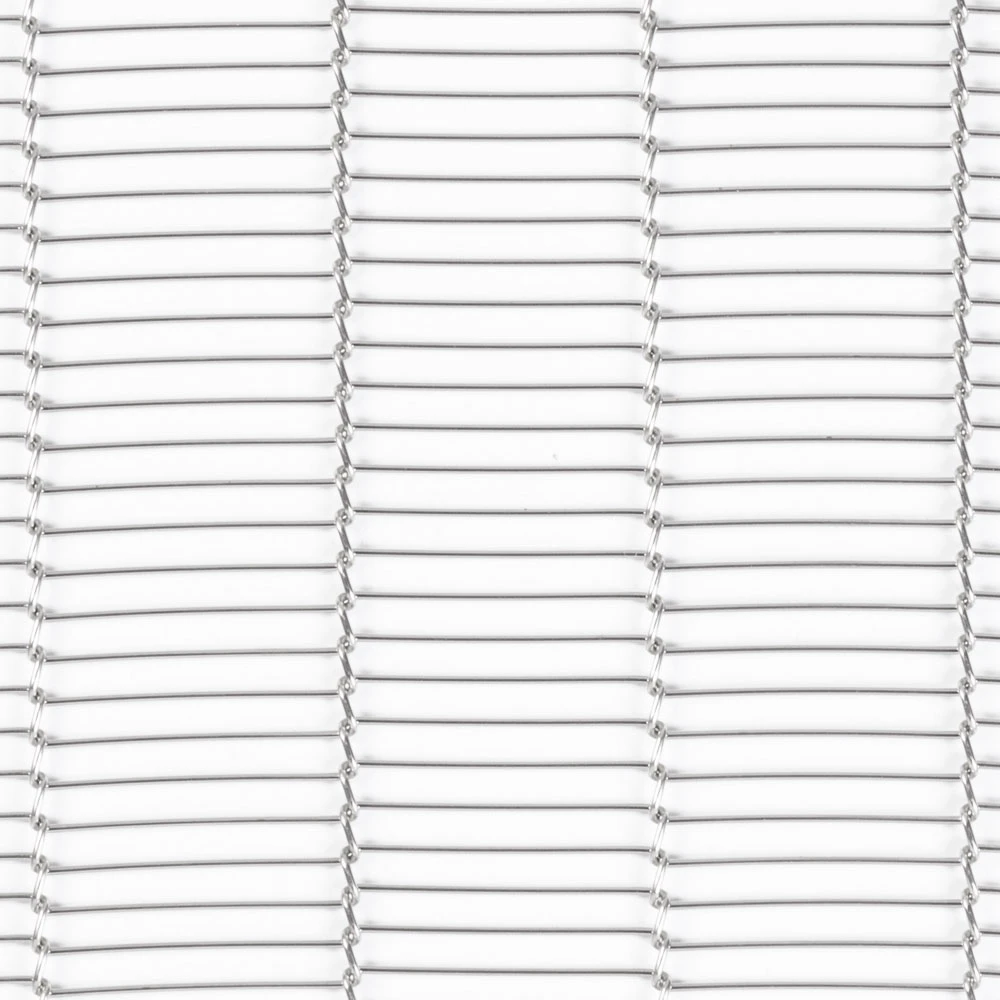
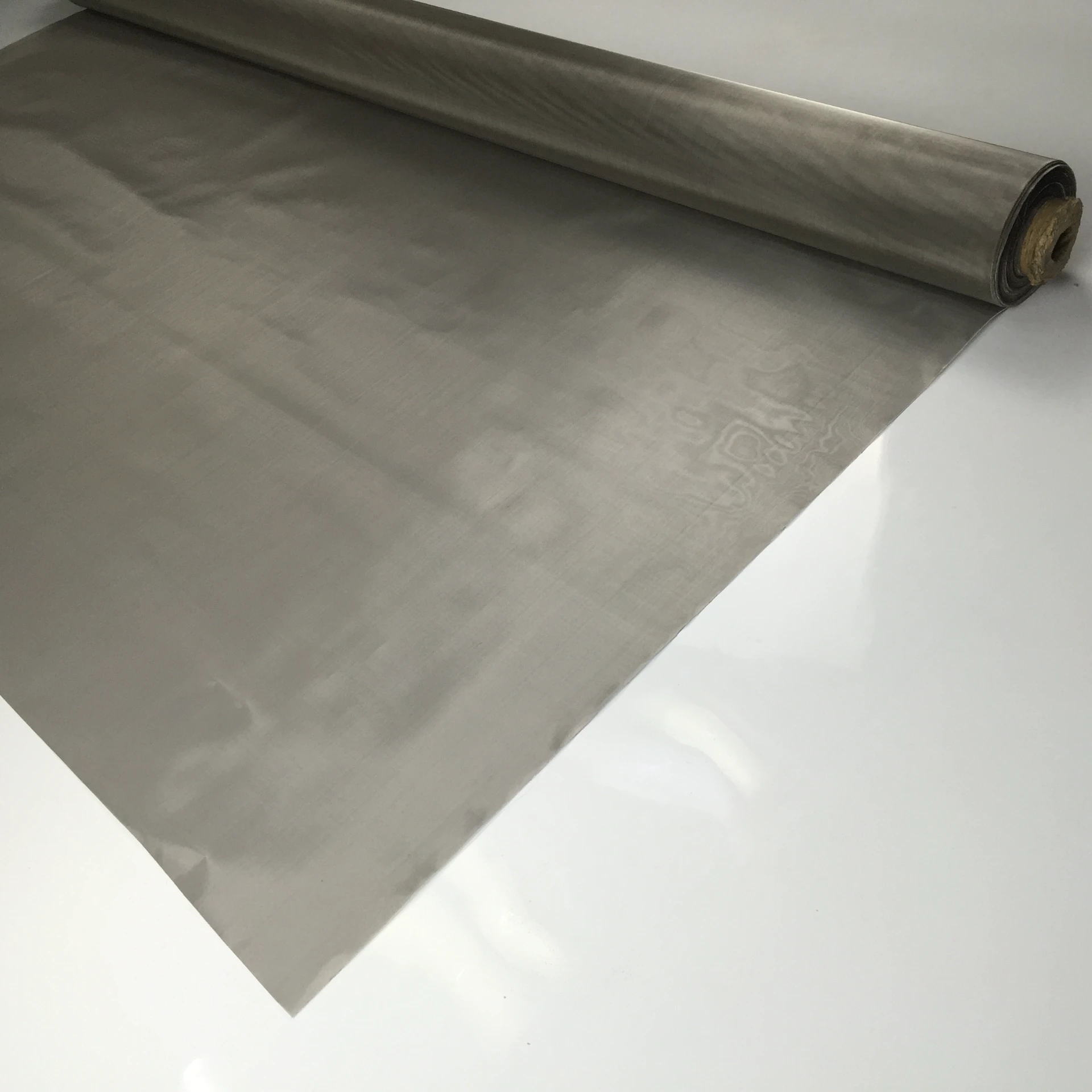
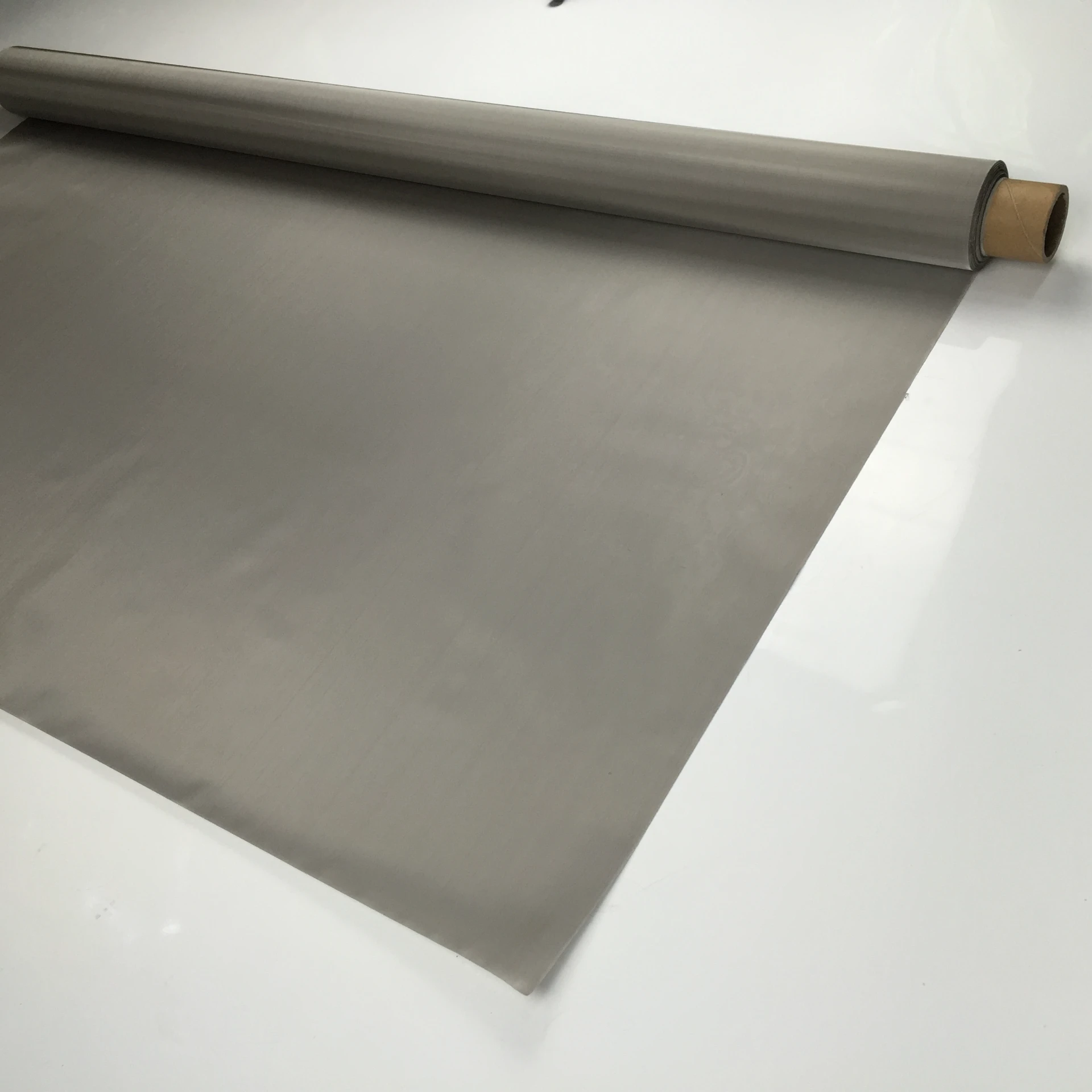
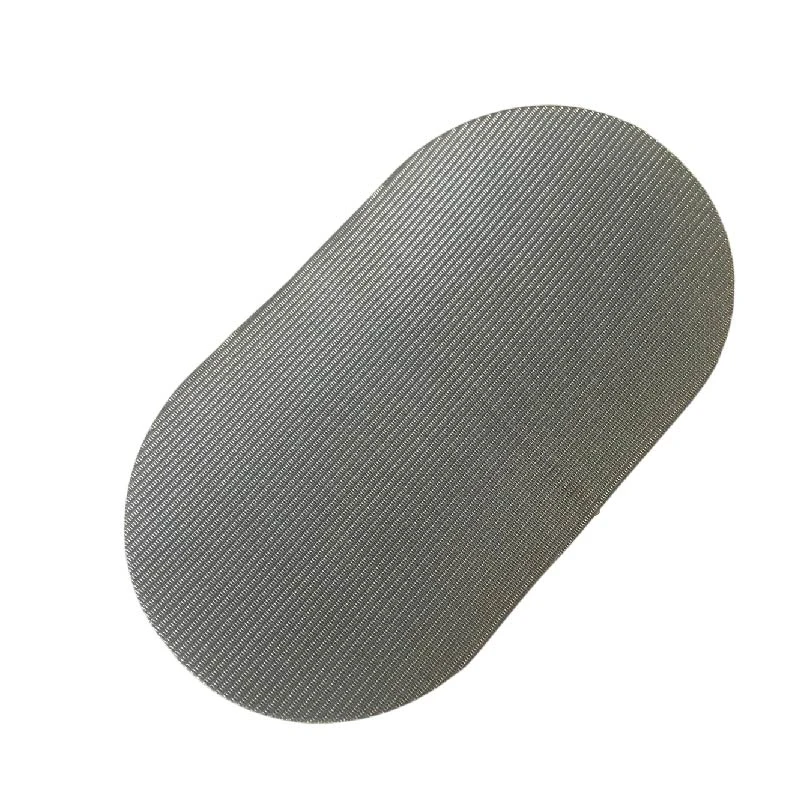
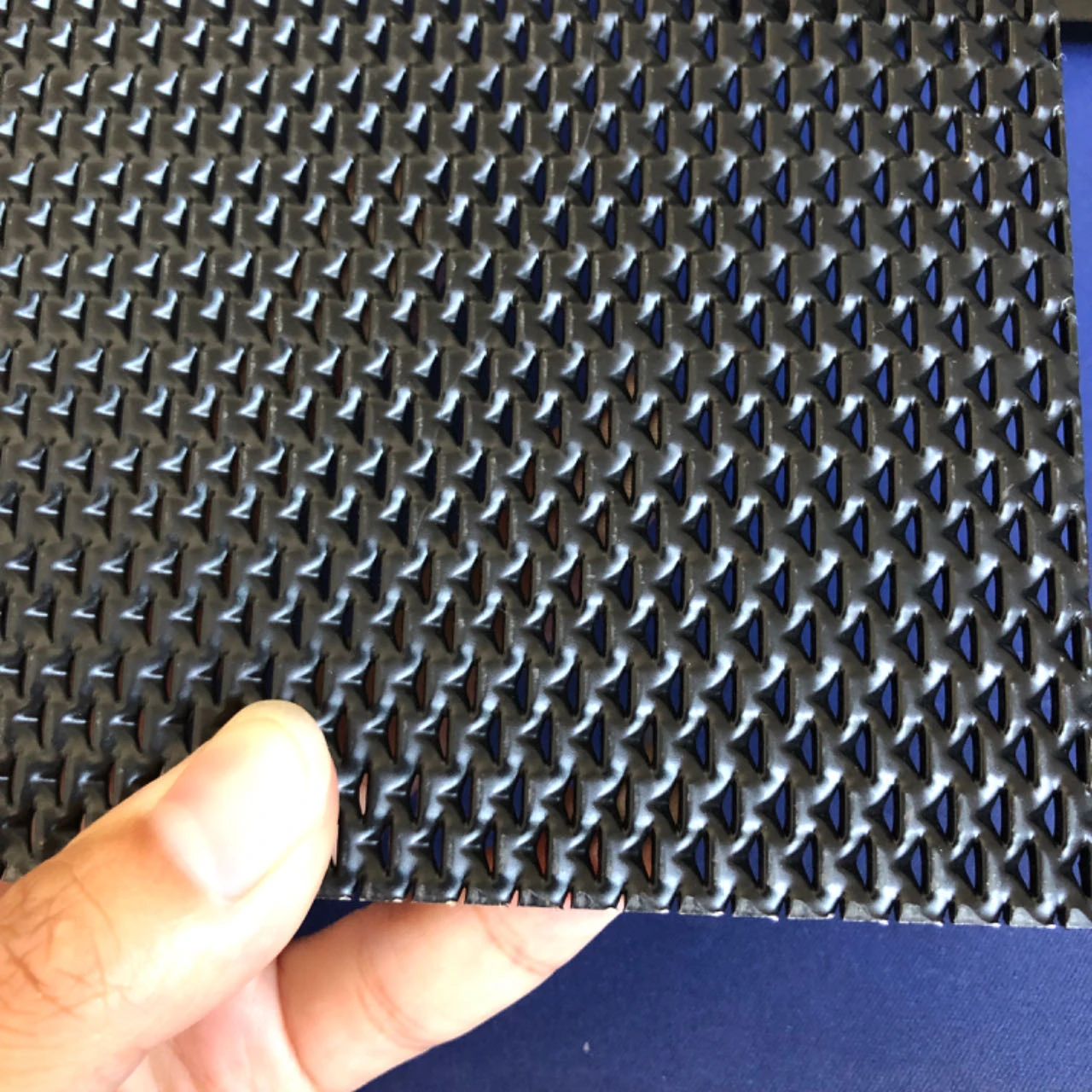
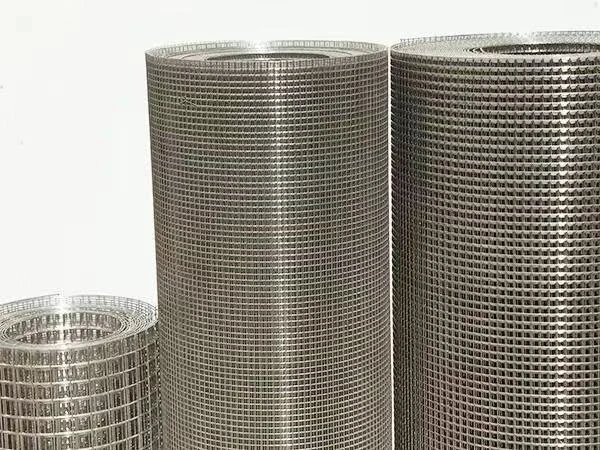
As for security screens, the design is all about creating a physical barrier that’s both tough and unobtrusive. These screens provide excellent visibility and airflow without sacrificing strength. It feels like balancing art and science — engineers want the mesh tight enough to keep intruders out, but not so dense that it looks like a fortress or impedes ventilation.
One memorable project I was involved with was a seaside manufacturing facility facing severe corrosion challenges. After switching to 316 stainless steel security screens, the maintenance team noticed a significant drop in replacement needs — and, oddly enough, the site looked cleaner and more “professional” thanks to the sleek finish of the mesh.
| Specification | Details |
|---|---|
| Material Grade | 316 Stainless Steel (Marine Grade) |
| Mesh Aperture | 0.5mm – 5mm (customizable) |
| Wire Diameter | 0.3mm – 1.5mm |
| Finish | Polished / Matte options |
| Corrosion Resistance | Excellent - Resists salt, chemicals, acid rain |
| Customization | Cut-to-size, framing, and mounting variants |
How Do Vendors Stack Up?
Now, not all suppliers of 316 stainless steel security screens deliver the same level of quality or service. Based on years of working with various manufacturers, here’s a quick rundown of some key players I’ve encountered — including what you might want to watch out for.
| Vendor | Material Quality | Customization | Delivery Times | Pricing | Support |
|---|---|---|---|---|---|
| XingXin Wire Mesh | Top-grade 316 SS with certifications | Highly customizable options | Fast (2-3 weeks typical) | Competitive | Responsive technical team |
| Smith Metals | Good quality, sometimes mixed grades | Standard options only | 4-6 weeks | Mid-range | Basic support |
| Global Mesh Supplies | Affordable but not always 316 | Limited custom options | Variable | Lower | Minimal |
Generally, I advise investing a little more for reliable certifications and full traceability in your stainless steel screens. You never know when a project inspection or warranty claim will hinge on that documentation.
In real terms, 316 stainless steel security screens are a smart choice if your project requires longevity with minimal fuss. Engineer colleagues often remark how the upfront cost saves headaches down the line — not to mention the peace of mind.
If you want to explore the full range of options or get advice tailored to your application, checking out XingXin Wire Mesh is a pretty good place to start — they’ve been a solid name in the sector for a reason.
When I look back, it’s the blend of rugged engineering and thoughtful design in these products that really stands out. Sure, they’re “just screens,” but quality ones like the 316 stainless steel variants quietly keep facilities safe and efficient day after day.
Here’s a quick takeaway: the longevity and corrosion resistance of 316 stainless steel security screens often outweigh initial cost considerations, especially in challenging environments.
References:
- ASM International. "Stainless Steels: 316 Grade Overview."
- Industry case study at Coastal Manufacturing Facility, 2019.
- XingXin Wire Mesh Product Documentation and Certifications, 2023.
-
-
-
-
-
-
-
-
-
-
-
-
-
-
-
-