
Talk to Us
+86 13633281999
Email Address
ada@xingxinwiremesh.comThick Stainless Steel Mesh – Durable & Custom Industrial Wire Mesh
Thick Stainless Steel Mesh: Durable, Reliable, and Versatile
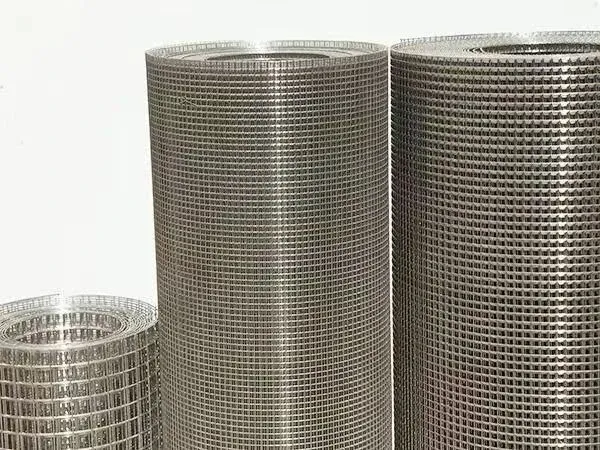
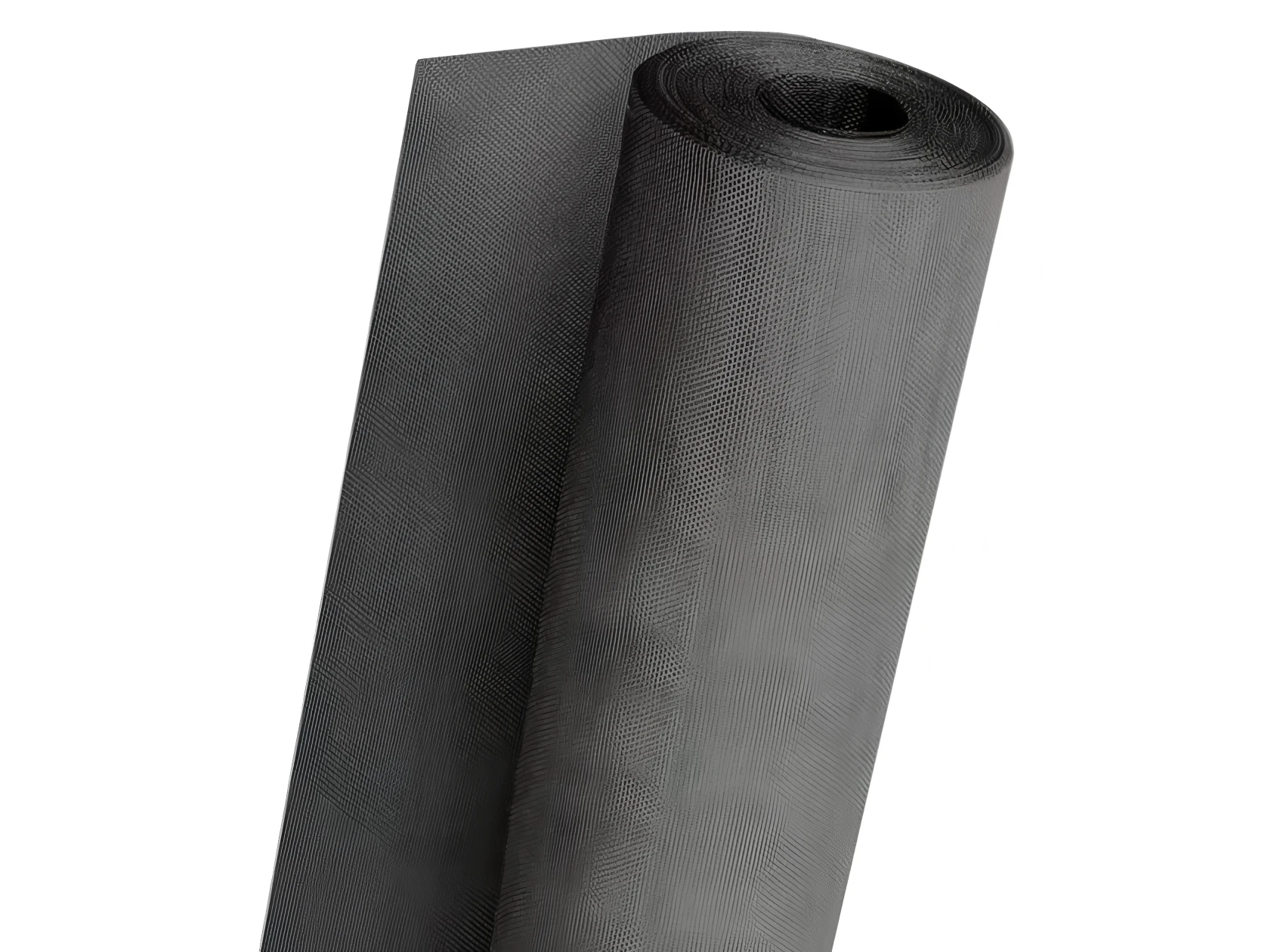
Having spent over a decade in the industrial equipment sector, I can tell you that thick stainless steel mesh is one of those quietly indispensable materials. It might not grab headlines like smart machinery or robotics, but in real terms, it’s the backbone of countless applications where strength and corrosion resistance are mission-critical.
Oddly enough, the first time I really appreciated thick stainless steel mesh was during an on-site inspection at a wastewater treatment plant. We were tasked with replacing some filters and screens that handled abrasive slurry. The existing mesh had worn thin, and the plant was losing efficiency. Upgrading to a thicker stainless steel mesh brought immediate improvements — not just withstanding the harsh environment but also making maintenance easier.
What Makes Thick Stainless Steel Mesh Special?
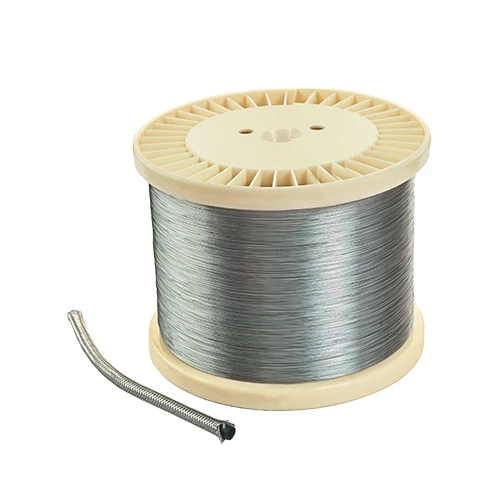
Fundamentally, thick stainless steel mesh is about balance. You want the rigidity and heavy-duty wear resistance, but without sacrificing the corrosion resistance that stainless steel inherently provides. Grades like 304 and 316 stainless are often used here. 316, with its molybdenum content, is preferred where you face chloride exposure or marine environments. Honestly, many engineers prefer 316 when long-term durability is non-negotiable.
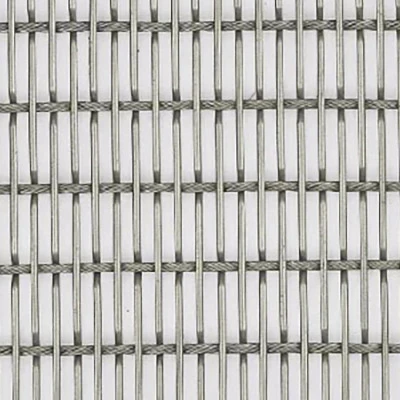
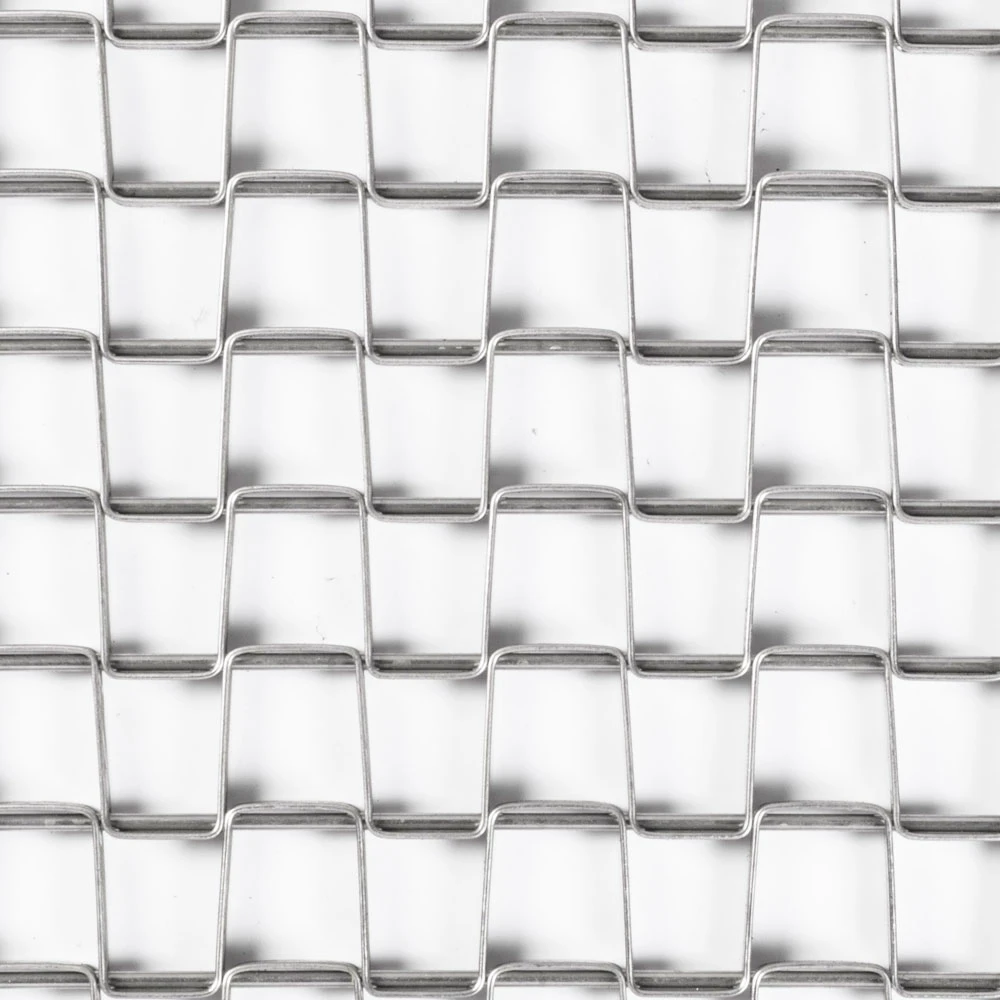
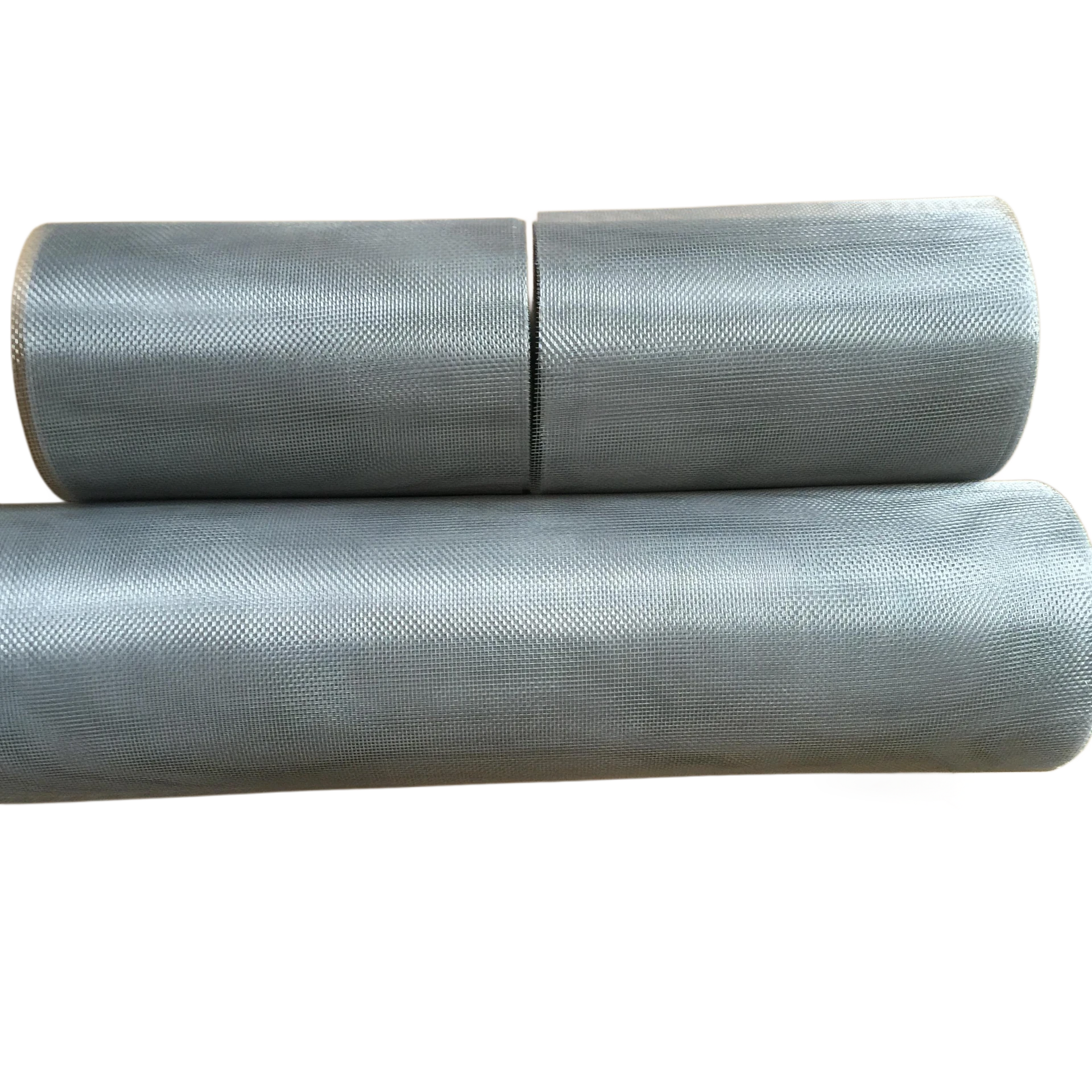
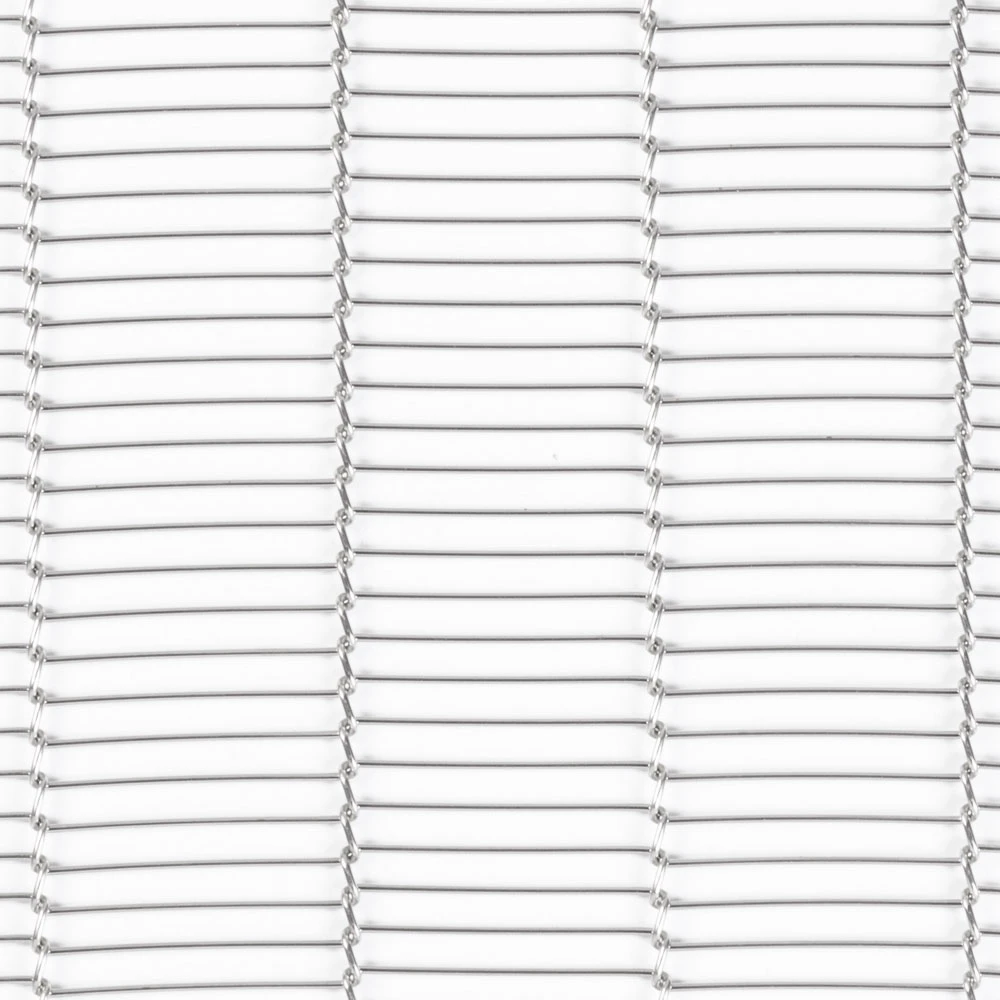
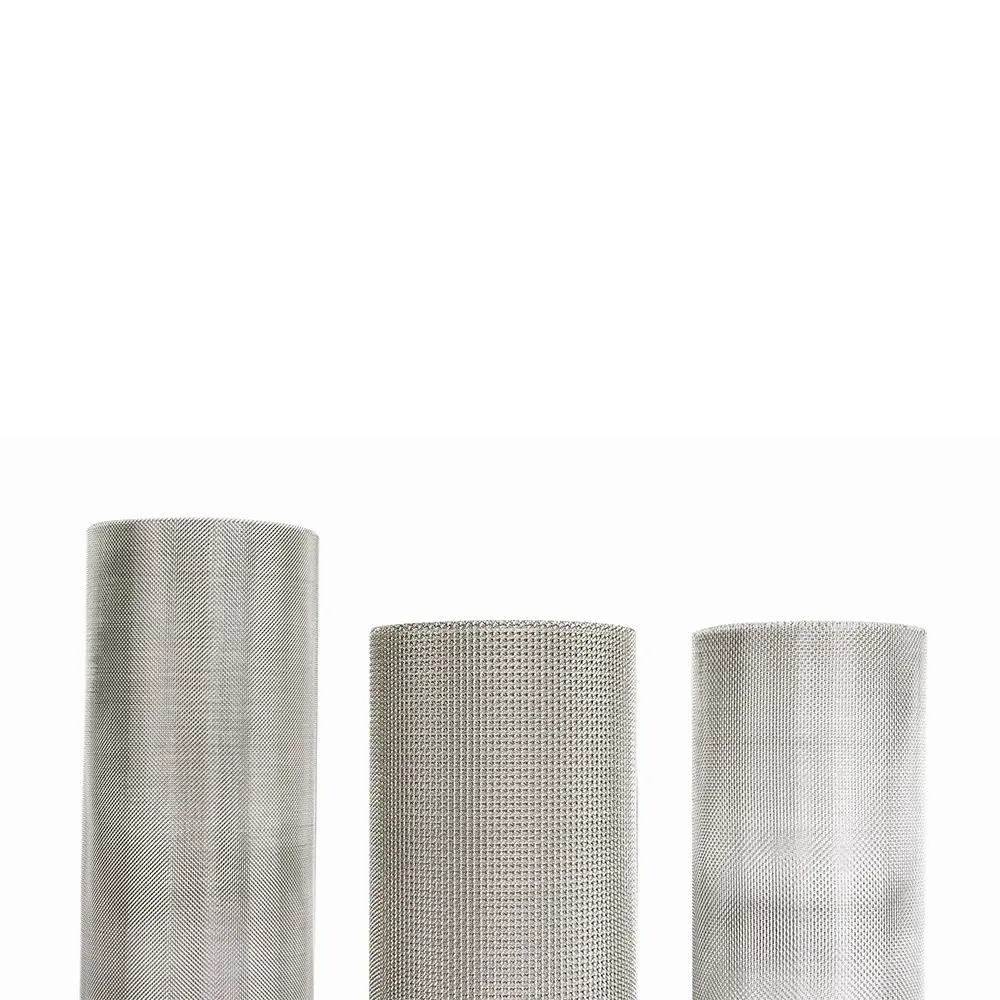
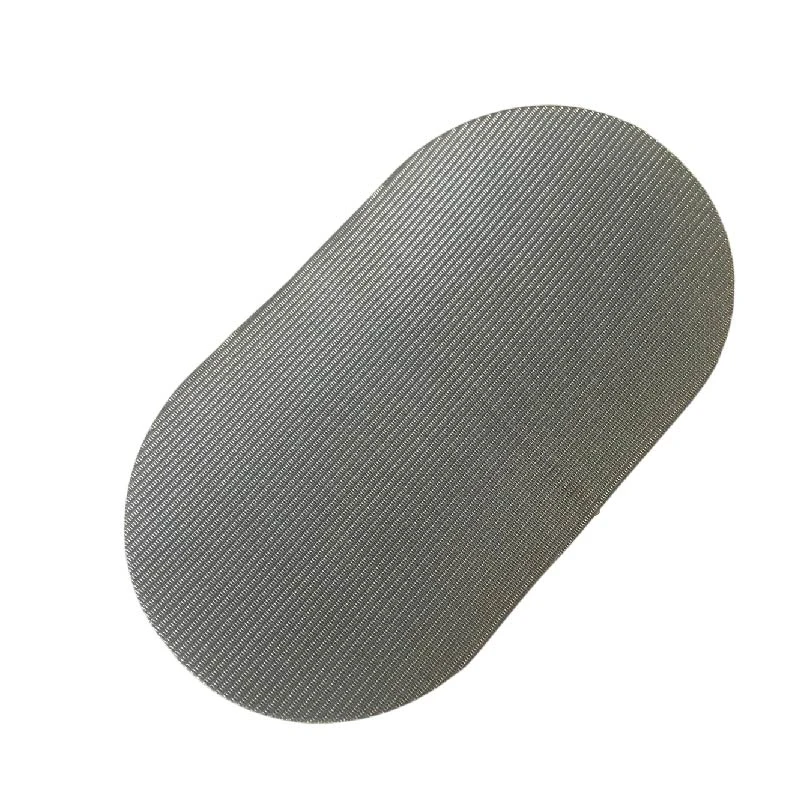
Designing mesh thickness isn’t just about making it heavier. The weave, wire diameter, and aperture size contribute to functionality. I’ve seen custom solutions where the mesh is so thick you’d mistake it for plates with tiny holes, used for secure screening in high-pressure filtration systems.
Typical Specifications of Thick Stainless Steel Mesh
| Specification | Range/Details |
|---|---|
| Material Grade | 304 / 316 Stainless Steel |
| Wire Diameter | 1.0 mm – 5.0 mm+ |
| Mesh Aperture (Opening) | 0.5 mm – 25 mm |
| Weave Types | Plain, Twill, Dutch Weave |
| Thickness | 2 mm – 10+ mm (depending on design) |
Vendor Comparison: Key Players in Stainless Steel Mesh
When sourcing thick stainless steel mesh, I often recommend looking beyond price alone. Quality, testing standards, and customization capability matter a great deal. Here’s a simple comparison of three vendors I’ve worked with or audited personally.
| Vendor | Material Grades Offered | Customization | Testing & Certifications | Lead Time |
|---|---|---|---|---|
| Xingxin Wire Mesh | 304, 316 | Custom thickness, weave & aperture | ISO 9001, material traceability | 3-5 weeks |
| Industrial Mesh Co. | 304 only | Limited options | CE Certification | 4-6 weeks |
| MetalWorks Ltd. | 304, 316, 310 | Extensive customization | ISO 9001, in-house testing | 5-7 weeks |
Applications and Real-World Impressions
From protective guards on heavy machinery to industrial filtering screens, thick stainless steel mesh has layers of utility. In my experience, it’s especially favored by companies in chemical processing, mining, and large-scale food production. You need a material that won’t corrode, won’t deform under heavy pressure, and can be cleaned repeatedly without deterioration — thick stainless steel mesh fits that bill.
To illustrate, one project that sticks in my mind involved a customer from the petrochemical sector. They required a filter mesh that could withstand exposure to aggressive solvents and physical abrasion. We proposed a custom 316-grade mesh, with a wire diameter around 3mm in a Dutch weave pattern. The result? The mesh lasted twice as long as their previous solution, and downtime for replacement dropped significantly. It’s small wins like this that, frankly, keep me coming back to this product.
Final Thoughts
Thick stainless steel mesh might seem straightforward, but as I’ve learned, a lot rides on the details — wire thickness, weave style, and material grade all matter deeply. If you’re spec’ing mesh for industrial purposes, be thorough and consult vendors who understand these nuances. And if you want a dependable partner, thick stainless steel mesh from Xingxin Wire Mesh is a solid place to start.
As they say in the field, the best mesh is the one you barely notice — it just does its job day in and day out.
References:
1. ASTM A240/A240M – Standard Specification for Chromium and Chromium-Nickel Stainless Steel Plate, Sheet, and Strip for Pressure Vessels and for General Applications.
2. “Industrial Mesh Materials” by Wire Mesh Solutions (2021).
3. Personal interviews with industry engineers, 2018–2023.
-
-
-
-
-
-
-
-
-
-
-
-
-
-
-
-