
Talk to Us
+86 13633281999
Email Address
ada@xingxinwiremesh.comDurable Stainless Steel 1 8 Mesh Screens for Industrial Use
Understanding the Stainless Steel 1 8 Mesh Screen
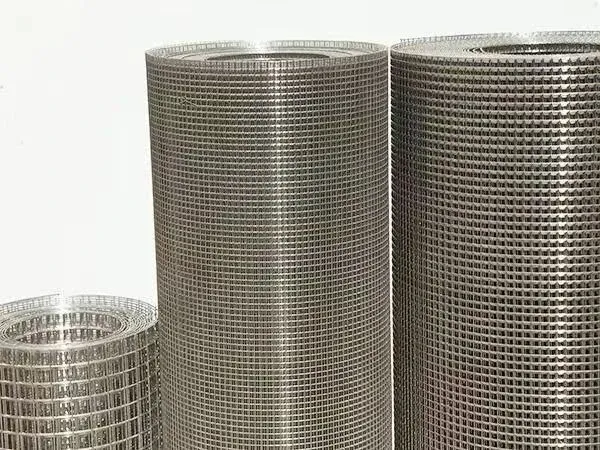
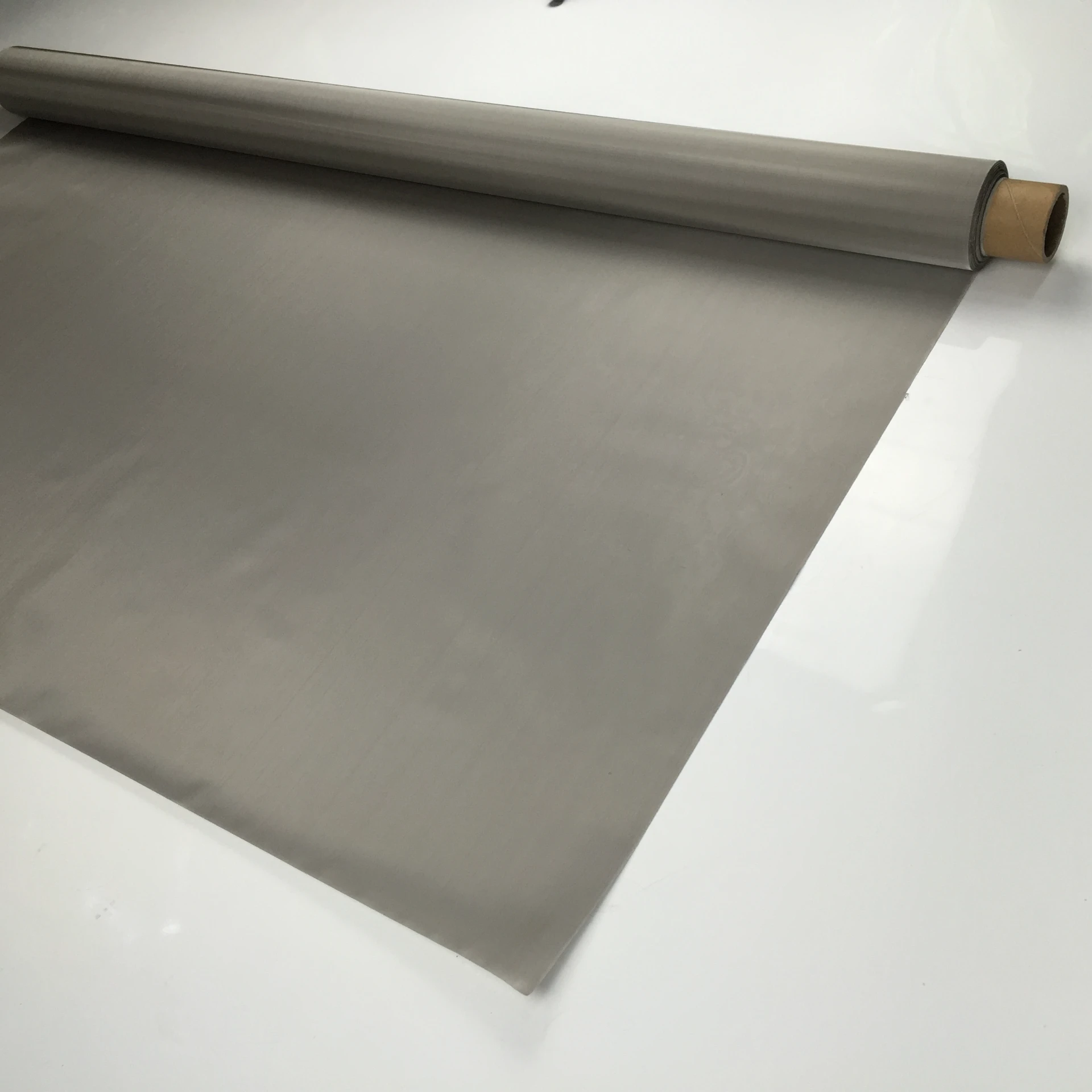
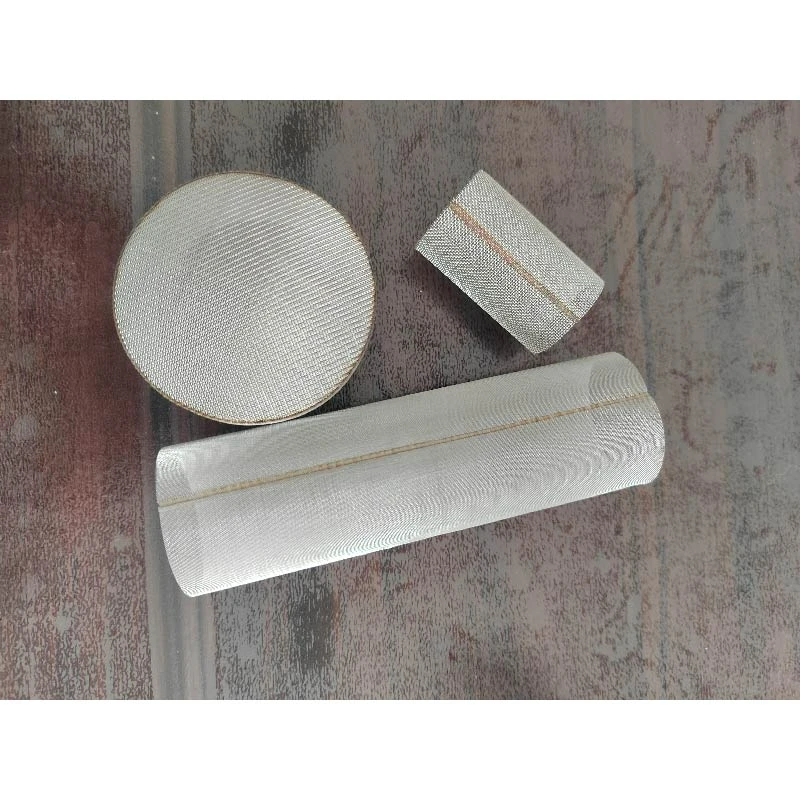
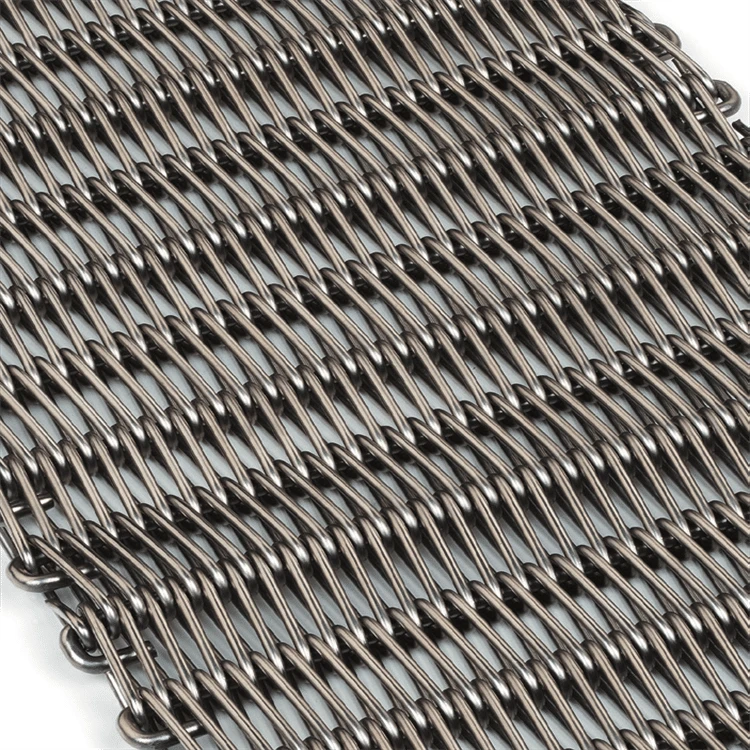
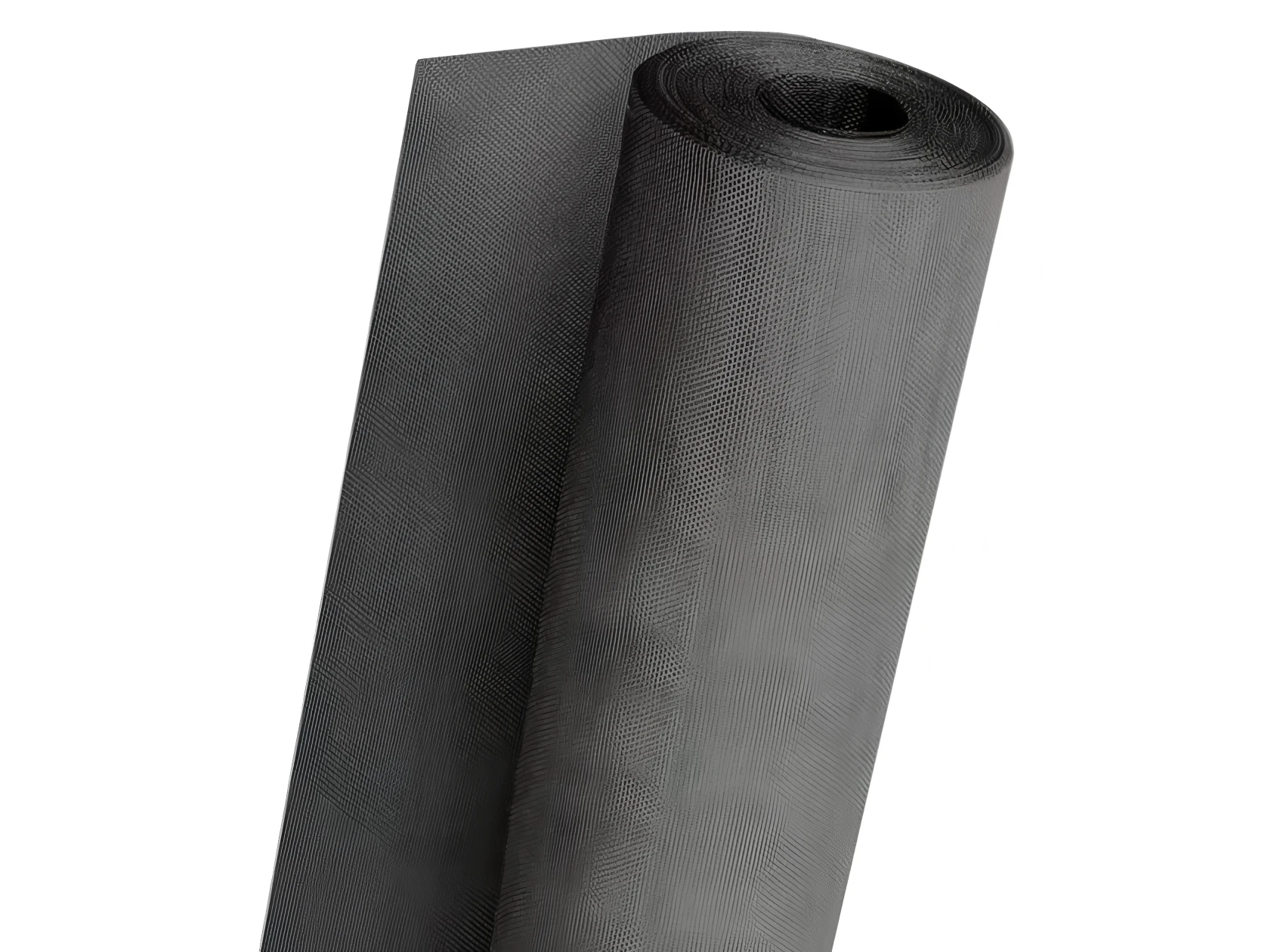
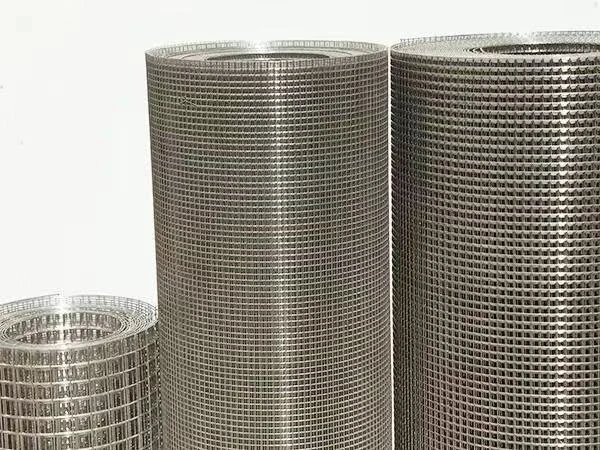
Having spent a fair bit of time in industrial equipment sectors, I’d say that stainless steel 1 8 mesh screens are one of those quietly essential components that often get overlooked — until you really need one that performs well. These mesh screens, typically made of 304 or 316-grade stainless steel, are known for their durability and resistance to corrosion, which is indispensable in harsh environments where other materials just wouldn’t last.
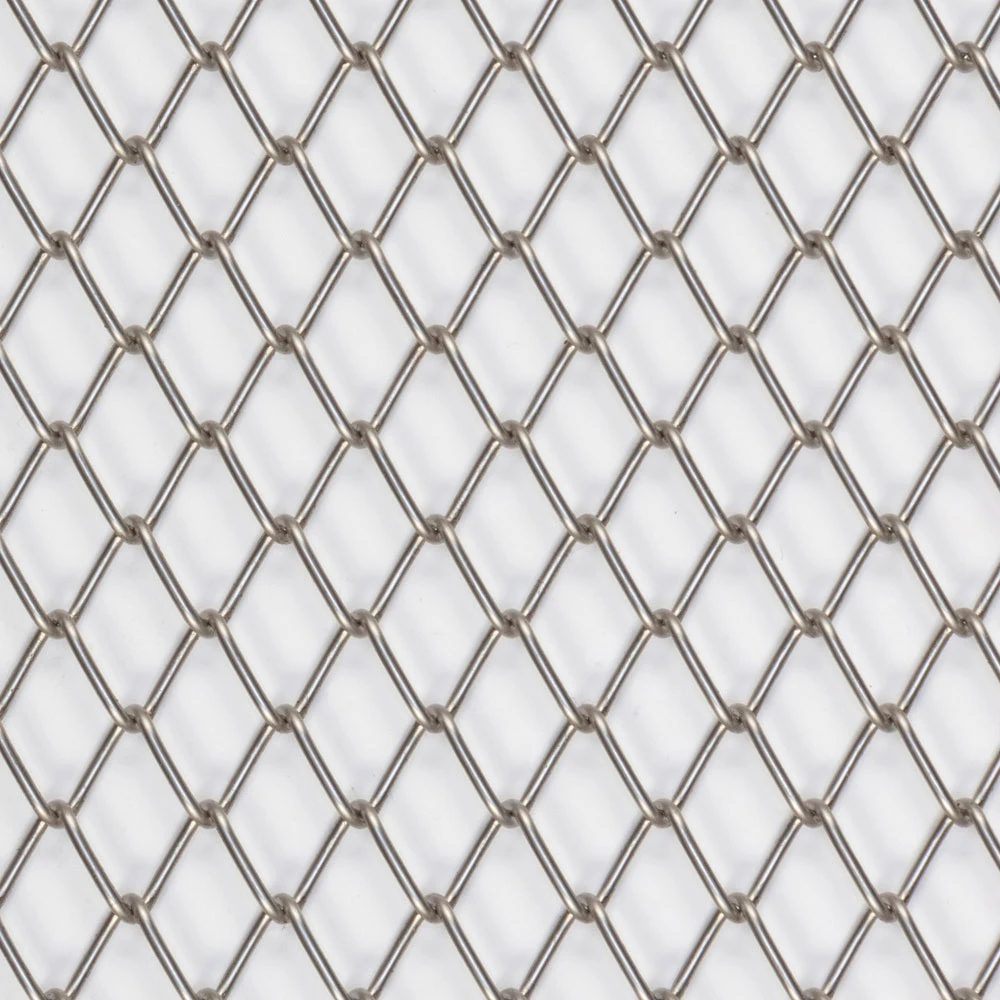
To give a snapshot, a 1 8 mesh screen means there are 8 openings per linear inch, so the openings measure roughly around 2.5 mm square. It’s a mesh fine enough to filter moderate-sized particles but still lets fluids or air flow through relatively easily. Oddly enough, they’re common in everything from chemical processing to food and pharmaceutical manufacturing — you name it, chances are these screens are quietly doing their job.
Now, the choice of stainless steel here is no accident. I remember working on a project where we had to replace wire screens in a highly acidic environment. Plastic or mild steel just didn’t cut it — they would corrode or deform under temperature fluctuations and chemical exposure. Stainless steel 1 8 mesh screens, however, held up well and minimized downtime.
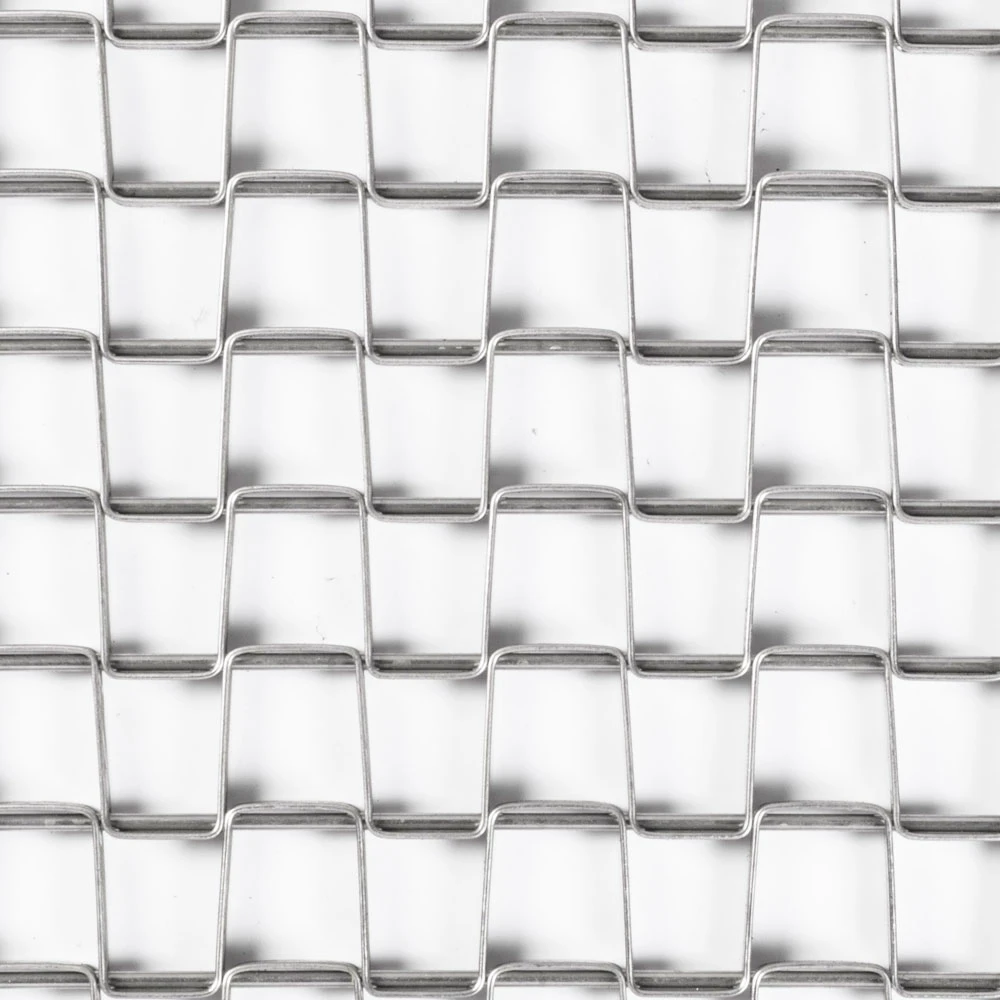
One thing to note, though, is that not all stainless steel screens are created equal. The weaving process, weave tightness, wire diameter, and stainless steel grade all influence performance significantly. It’s kind of like buying a suit: off-the-rack might be okay, but if you’re in a specialized environment, custom options make all the difference.
Stainless Steel 1 8 Mesh Screen Specifications
| Specification | Details |
|---|---|
| Material Grade | 304 / 316 Stainless Steel |
| Mesh Count | 1 8 (8 openings per inch) |
| Aperture Size | ~2.5 mm |
| Wire Diameter | 0.5 mm - 0.6 mm (varies by supplier) |
| Weave Type | Plain or Twilled Weave |
| Surface Finish | Electropolished or Mill Finish |
If you want to source reliably, I’d strongly recommend working with vendors who can meet specific testing standards, especially if you’re dealing with food or pharmaceutical-grade materials. It’s something I’ve learned over years — compliance and testing aren’t just formalities; they save you headaches down the road.
How Vendors Compare on Stainless Steel 1 8 Mesh Screen
| Vendor | Material Options | Weave Types | Custom Sizes | Certifications | Lead Time |
|---|---|---|---|---|---|
| Xingxin Wire Mesh | 304, 316 SS | Plain, Twilled | Yes, custom orders available | ISO, FDA | 2-4 weeks |
| Vendor B | 304 SS only | Plain only | Limited sizes | ISO | 3-6 weeks |
| Vendor C | 304, 316 SS, 321 SS | Plain, Twilled, Dutch Weave | Custom only for large orders | FDA | 4-5 weeks |
A little story — once, an engineer friend told me about a job where they had to filter fine particles in a corrosive chemical plant. They tried off-the-shelf screens from various suppliers but quickly ran into corrosion and clogging issues. They finally settled with a stainless steel 1 8 mesh screen from a trusted vendor with strict quality control, and it worked like a charm. Sometimes, that level of quality and trust just makes all the difference.
Honestly, if you’re dealing in environments where material integrity matters — heat, chemicals, sanitation — investing time in choosing the right stainless steel 1 8 mesh screen is worthwhile. And frankly, I notice many engineers say good suppliers save them a ton of hassle.
In real terms, these screens balance cost, durability, and filtration efficiency in a way few other components do. And you kind of have to appreciate the craftsmanship behind a well-woven stainless steel mesh.
Takeaway: The right stainless steel 1 8 mesh screen isn’t just a filter; it’s a small yet vital part of your process’s reliability.
References
- Industry Standards on Wire Mesh, ASTM and ISO guidelines
- Material Engineering Texts: Stainless Steel Grades and Applications
- Customer case notes from chemical and pharma manufacturing sectors
-
-
-
-
-
-
-
-
-
-
-
-
-
-
-
-